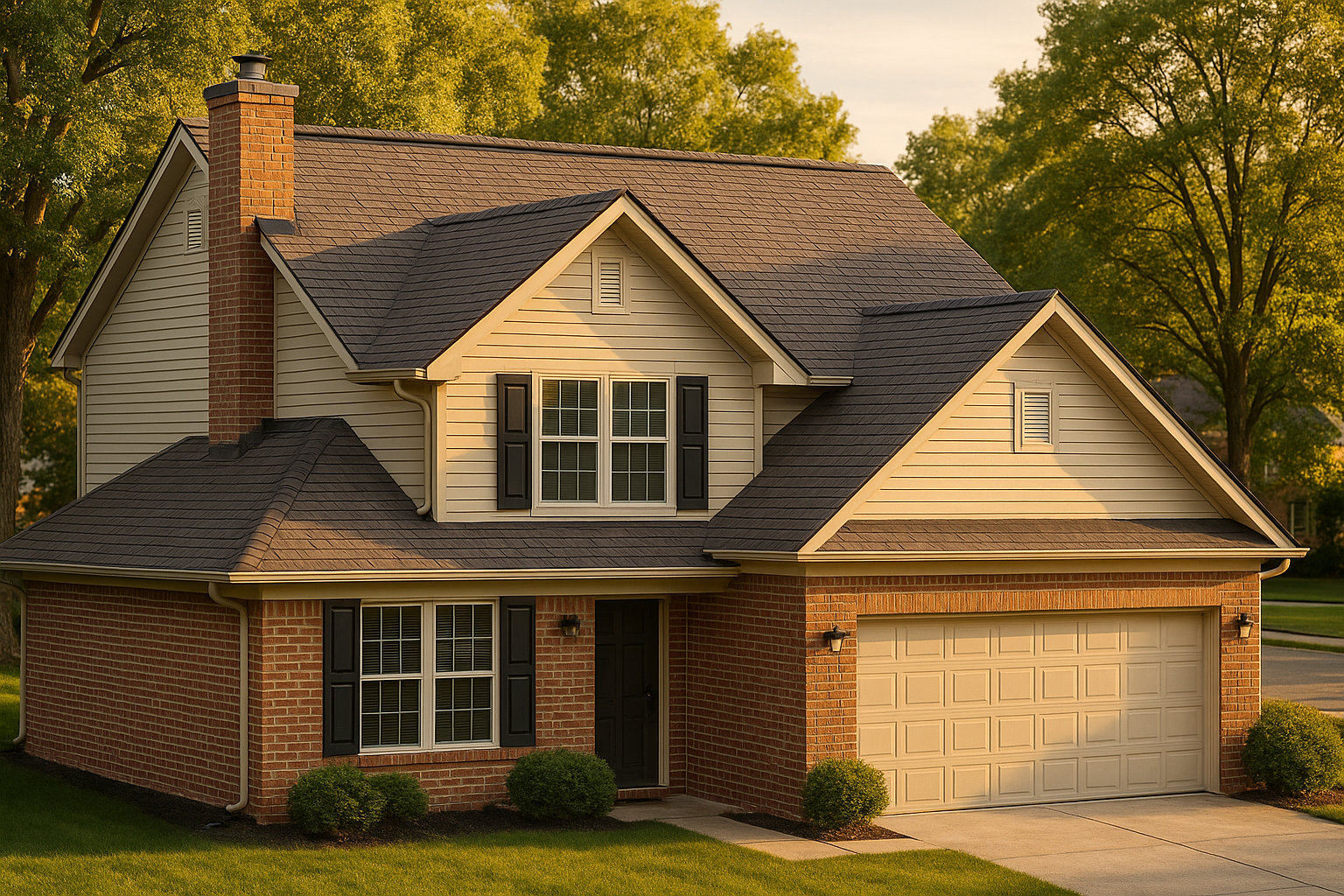
Your roof should be built for Indianapolis—not for a brochure. At RoofPros, we replace asphalt shingles with a planning-first process, premium materials tailored to Central Indiana’s weather, and clean communication from first photo to final nail sweep. If you’re comparing local specialists for a full roof replacement, you’ll find our scope is precise, our jobsite protection is thorough, and our results are built to last.
Why homeowners choose RoofPros for asphalt shingle replacement in Indianapolis
- Local expertise: freeze–thaw cycles, spring hail and wind, humid summers, and heavy leaf fall all influence material and ventilation choices here in Indy.
- Clear scope before work: we document the roof with photos, explain the plan in writing, and price options by shingle grade, ventilation upgrades, and flashing packages.
- Detail-driven installation: proper starter courses, exact nail patterns, protected valleys, and new step and counter-flashing where needed.
- Reliable timelines: most single-family homes are completed in one to two days, weather permitting, with daily updates.
- Tidy jobsite: landscape coverings, driveway protection, and a thorough magnetic nail sweep when we’re done.
Our planning-first process
- On-site assessment and photos - We walk the roof (when safe), inspect penetrations and valleys, and check for hail or wind patterns. Inside, we can review the attic for moisture, baffles, and intake blockages.
- Written scope and options - You’ll receive a clear proposal outlining tear-off to deck, sheathing repairs if needed, underlayments, drip edge, flashing approach, ventilation plan, and disposal. We include line-item allowances for any deck repairs uncovered after tear-off—no surprises.
- Material and style guidance - We help you select architectural (dimensional) shingles suited to Midwest UV, wind, and hail exposure, with color and profile recommendations that match local home styles from Broad Ripple bungalows to newer Franklin Township builds.
- Permits, HOA, and scheduling - We coordinate typical Indianapolis/Marion County documentation and HOA requirements. We schedule around forecasted storms and communicate weather plans ahead of time.
- Installation day communication - Expect a morning check-in, progress updates, and same-day photos. If we uncover deck or flashing issues, we explain options before proceeding.
Materials and installation built for Central Indiana
- Architectural shingles: dimensional shingles provide thicker profiles, better wind ratings, and stronger curb appeal than basic 3-tabs.
- Underlayments: synthetic felt for field protection and ice-and-water shield at eaves, valleys, and other risk points to combat ice dams and wind-driven rain.
- Drip edge and flashing: new, code-compliant drip edge at eaves and rakes; new or properly integrated step and counter-flashing at walls and chimneys; chimney cricket recommendations when warranted.
- Valleys: open metal or closed-cut valleys, chosen based on roof design and debris patterns under Indy’s mature tree canopies.
- Proper fastening: manufacturer-specified nail patterns and counts, set in the nailing zone—not high-nailed—so shingles seal and perform.
- Ridge and attic ventilation: balanced ridge vent plus intake (soffit vents) to reduce heat, control moisture, and limit ice dam risk. We also clear blocked soffits and can add intake solutions where needed.
- Finishing details: matching ridge caps, sealed penetrations, skylight re-flashing or replacement as appropriate, and tidy terminations at all edges.
Tear-off vs. overlay: the right approach for your roof
While overlays may appear cheaper, they often shorten shingle life, hide deck issues, and can jeopardize warranties. Our default is a full tear-off to the deck so we can: - Inspect and repair sheathing as needed - Reset flashing correctly - Improve ventilation and underlayments - Avoid excess weight on the structure
Is an overlay ever appropriate? In limited cases—single existing layer, sound decking, compatible shingle profile, and HOA/municipal approval—an overlay may make sense. If you’re considering it, we’ll explain the tradeoffs in writing and price both options so you can decide with clarity.
Cost, options, and timelines
Every roof is different, but the main cost drivers are: - Roof size and complexity (pitch, stories, valleys, dormers, chimneys) - Shingle grade (architectural tiers, impact resistance, algae resistance) - Underlayments and ice-and-water coverage - Flashing scope (walls, chimney counter-flashing, skylight work) - Ventilation upgrades (ridge vent, intake corrections) - Deck repairs found after tear-off - Access and protection needs (landscaping, steep slopes, dumpster logistics)
We present tiered options so you can compare value—not guess. Most replacements finish in one to two days, weather permitting. We’ll discuss seasonal considerations, including colder-temperature sealing behavior in late fall and winter, and adjust staging and fasteners as needed.
Ask us about available roof financing options and how to structure scope choices to fit your goals without compromising critical protection points.
Jobsite protection and cleanup you can count on
- Landscape and siding protection: tarps and catch systems to shield beds, shrubs, and facades
- Driveway protection: boards under dumpsters and material pallets
- Daily housekeeping: end-of-day sweep to keep your property usable
- Final cleanup: ground-level walk, gutter check, and magnetic nail sweep across lawn, beds, and hard surfaces
Insurance and storm damage support
If hail or high winds hit your neighborhood, we provide the documentation insurers commonly request in Indianapolis: date-stamped photos, slope-by-slope notes, and a line-item scope. We coordinate with your insurer’s process and help you understand repair vs. replacement outcomes. We’re not public adjusters—we simply provide clear evidence and a clean scope so decisions are straightforward.
Common mistakes to avoid in Indianapolis
- Skipping ice-and-water at eaves and valleys on tree-shaded or north-facing slopes
- Reusing aged flashing that won’t integrate with new shingles
- High-nailing or under-fastening architectural shingles
- Adding ridge vent without confirming adequate intake
- Overlaying worn shingles and trapping moisture against old felt
FAQs
How do I know if I need asphalt shingle replacement or just repairs?
Consider replacement when you see widespread granule loss, curling or cupping, repeated leaks, or storm damage across multiple slopes. A targeted repair can be appropriate for isolated issues, but replacement becomes cost-effective as failures multiply or shingles near the end of their service life.
What does a full tear-off include and when is an overlay appropriate?
A full tear-off removes all shingles and underlayments to the deck, replaces damaged sheathing, installs new synthetic felt and ice-and-water shield, new drip edge, and new flashings, then shingles and ridge ventilation. Overlays are only considered when there’s a single existing layer, sound decking, and approvals in place—and we’ll outline the tradeoffs clearly.
How long does a typical Indianapolis shingle replacement take?
Most single-family homes finish in one to two days, weather permitting. Complex roofs, unexpected deck repairs, and storm interruptions can extend the schedule; we communicate daily so you know what’s next.
Can you replace a roof in winter in Indianapolis?
Yes, with adjustments. We watch temperature windows, use cold-weather installation techniques, and explain how sealing will complete as temperatures rise. We never force shingles to seal outside manufacturer guidelines.
Do I need a permit for roof replacement in Indianapolis?
Requirements vary by municipality and HOA. RoofPros coordinates typical documentation, and we’ll let you know exactly what’s needed before work begins.
What shingles do you recommend for Midwest hail, wind, and UV exposure?
Architectural shingles with reinforced nailing zones and strong sealant lines perform well here. Some homeowners choose impact-rated products; we’ll outline benefits, costs, and color options that fit your home’s style.
How does attic ventilation impact shingle life and ice damming?
Balanced intake and exhaust move heat and moisture out of the attic, reducing premature shingle aging and lowering ice dam risk. We evaluate soffit intake, add baffles where blocked, and pair it with ridge vent for even airflow.
What is included in your written scope and quote?
A photo-backed description of tear-off, deck repairs allowance, underlayments (including ice-and-water locations), drip edge and flashing plan, valley method, ventilation, disposal, protection methods, schedule, and clear pricing with options. We also outline workmanship and manufacturer warranty terms in writing.
How does the insurance claim process work for storm damage?
We inspect, document, and provide a line-item scope. If you file a claim, your insurer’s adjuster determines coverage. We coordinate on measurements and scope alignment and keep you updated throughout.
What are the main cost factors for a shingle roof replacement?
Scope complexity, shingle grade, ventilation upgrades, flashing work, and any deck repairs. We price options to help you prioritize where performance gains matter most.
Next steps
Ready to see exactly what your roof needs—no guesswork? Request an on-site roof assessment and a photo-backed written proposal from RoofPros. Get a Free Deck Consultation and a clear, line-item scope so you can compare options with confidence.
- Start here: /#quote
- Learn more about our approach and materials on our blog: /blog/
- Or explore our services and history in Indianapolis: /
When you’re ready, we’ll schedule your assessment, answer every question, and deliver a clean, well-run replacement that respects your home and your time.
Ready for a free roof assessment?
We climb the roof, photograph the damage, and give you an honest read — no pressure, no upsell.