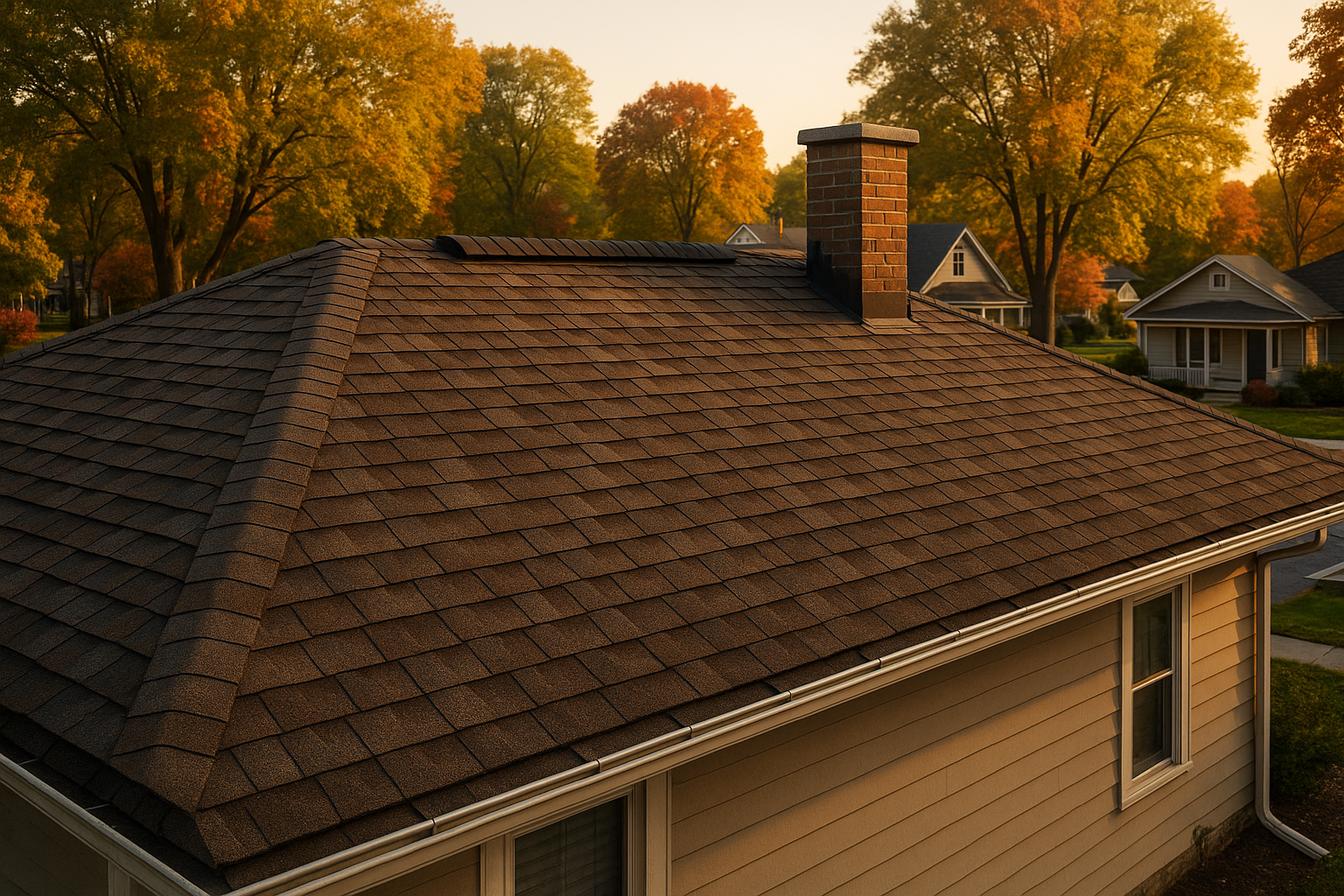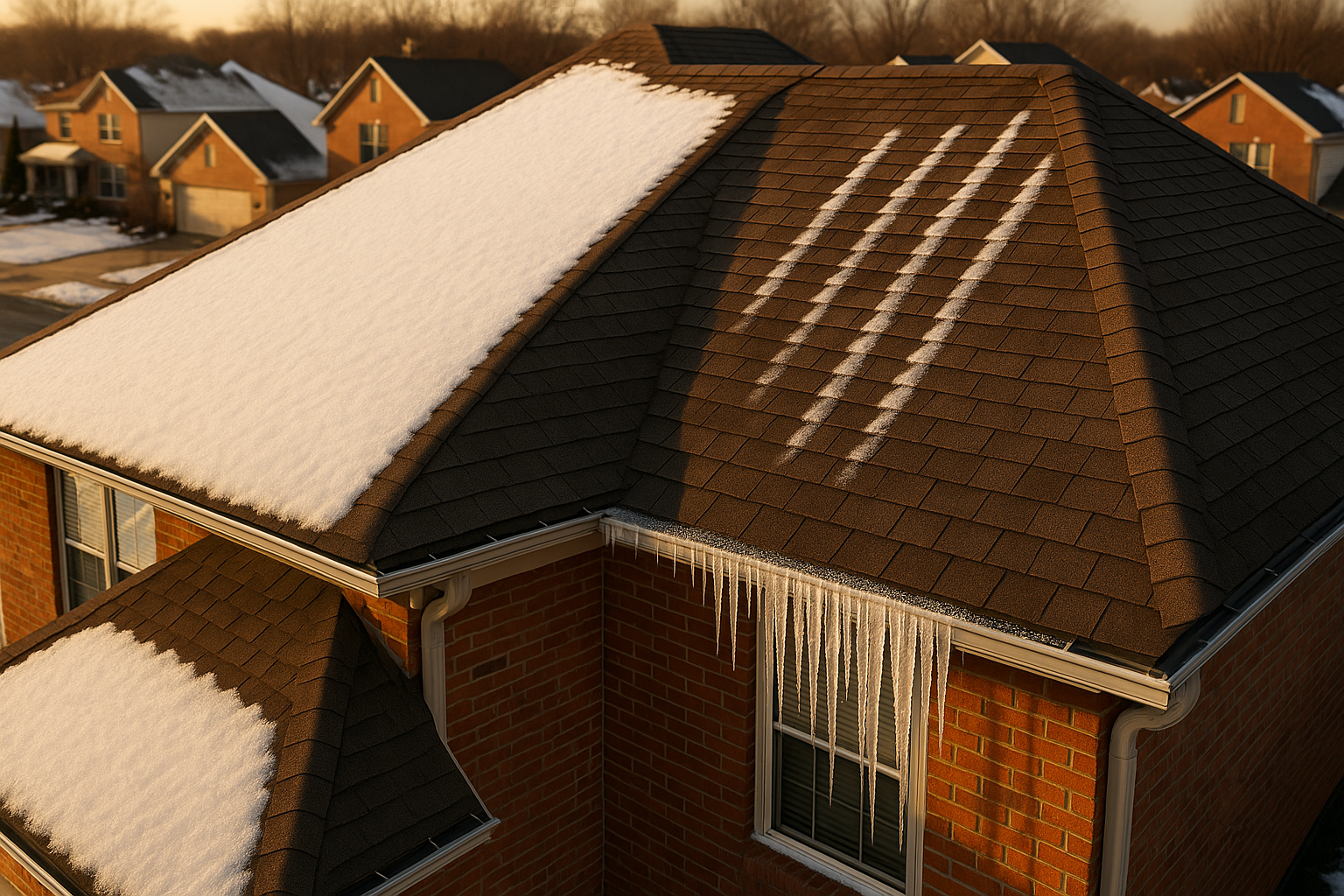
Last winter, my buddy Dave called me from his place up in Fishers. He’d been battling a second floor that felt like a sauna in July and a meat locker in January, and then came the icicles—man, those icicles. The kind that hang three feet long off the gutters, looking like something out of a Christmas card but really meaning trouble. His roof was fine, shingles still had life, but the uneven melt lines on the roof told a different story. Warm spots where snow disappeared too fast, right over the bedrooms. That’s when his roofing contractor said four words he’d never heard together: attic air sealing.
Dave isn’t alone. Homeowners all over Indianapolis—Meridian-Kessler, Broad Ripple, Greenwood—run into the same thing. It often gets blamed on insulation, and sure, R-value matters. But here’s the part that gets skipped: if your attic’s leaking inside air up through gaps and cracks, extra insulation is like putting on a heavy coat while standing in a windstorm. You gotta stop the air first.
What Attic Air Sealing Actually Does (And Why It’s Not Just “More Insulation”)
Air sealing isn’t about making your attic airtight like a spaceship. It’s about blocking the sneaky paths that let heated or cooled indoor air leak into the attic. In our Indiana winters, the stack effect pushes warm air up through every little hole around light fixtures, plumbing pipes, and that flimsy attic hatch. Then it pulls cold air in from downstairs. The result? Your furnace runs more, upstairs rooms stay chilly, and your roof deck warms up just enough to start melting snow in weird patterns.
Then there’s wind washing—ever noticed how the insulation near your soffits looks matted down? That’s wind sneaking in and eroding the R-value. Air sealing at the top plates and adding baffle chutes keeps the wind out and the insulation fluffy.
This is where roof ventilation comes in. Even with perfect air sealing, attics still need to breathe—a little. Soffit and ridge vents work together, but they can’t fix indoor air leaks. They’re for outdoor air: cool air in at the bottom, warm moist air out at the top. But if you’re pumping bathroom fan exhaust or kitchen heat into the attic through gaps, those vents are overwhelmed. That’s how you get mold or roof deck rot. So air sealing and ventilation are a team, not an either/or.
In a lot of our story-and-a-half Cape Cods and older bungalows around Fountain Square or Irvington, knee walls create hidden air highways. Air sneaks right up behind the drywall and dumps into the unconditioned attic space. Fixing that takes more than a can of foam—it needs rigid air barriers and patience. A thorough attic inspection—maybe using a drone for the roof side, like we talk about in our roof inspection guide—is the only way to map out every leak.
How Air Sealing Helps Your Roof Last Longer (Yes, It’s a Roofing Thing)
Ice dams are the obvious enemy. But they’re just a symptom of warm attic air melting the bottom layer of snow. The water runs down and refreezes at the cold eave, prying shingles up and inviting leaks. Air sealing keeps the roof deck cold and even, so snow melts uniformly instead of in stripes. No warm spots, no ice dams. Shingle manufacturers actually require proper ventilation to honor their warranties, and air sealing supports that by keeping the ventilation system working as intended.
Central Indiana gets it all—snow, thaw, freeze again. That repeated cycle is brutal on shingles if the roof deck keeps warming and cooling unevenly. Air sealing, paired with a balanced soffit-and-ridge system, smooths out those temperature swings and a lot of potential roof damage.
Some folks worry air sealing will trap moisture in the attic. But here’s the thing: if you’re sealing the indoor leaks (wet, conditioned air), and still have working soffit and ridge vents, you’re actually reducing moisture. Because that bathroom fan steam you’re venting into the attic? That’s the moisture you want gone. We redirect those fans through insulated ducts to a proper roof cap—a common fix we do in Westfield and Avon where original builders took shortcuts.
What a Real Attic Air Sealing Job Looks Like (Not Just Spray Foam Everywhere)
Dave asked if he could just buy a few cans of Great Stuff and call it a day. I told him, honestly, for a few small gaps, okay. But once you get into a full attic—with a chimney chase that needs fire-rated caulk and metal flashing, or IC-rated can light covers over recessed lights, or a flimsy pull-down stair that needs a gasketed box built around it—pros see things you’d miss. Plus, safety: you don’t want regular foam against a hot flue. That’s what fire-rated materials are for, and we know the code. That’s the kind of attic air sealing that makes a real difference, not just a quick fix.
We always air seal before adding insulation. Otherwise, you’re burying the problems and making ’em harder to fix later. And while we’re up there, we clear out soffit vents and install baffle chutes so your insulation doesn’t block airflow. One of the biggest offenders? That attic hatch in your hallway ceiling. We put a gasketed, insulated cover on it—simple and effective.
You might think attic work is messy, but with containment at the access, it’s cleaner than you’d expect. Most jobs we finish in a day, unless the attic’s huge or full of old vermiculite (which needs special handling). And if you’re already planning a roof replacement, doing the air sealing at the same time can be super efficient—we sometimes coordinate that, kind of like what we describe in our roof replacement day-of guide.
Why Spring and Fall Are Prime Time for Air Sealing in Indianapolis
Attic work in July is no fun—120°F up there. And winter? Too cold for some sealants. That’s why we recommend spring or fall. It’s comfortable, and the temperature helps the foam cure right. Plus, fall is perfect because you’re ahead of the snow and ice risk. Ever noticed your energy bills spike in January? Air sealing done in October can cut that down. While you’re at it, check your fall roof maintenance list to make sure your gutters and downspouts are ready.
Sometimes AES Indiana or Duke Energy offer rebates for air sealing, especially if you pair it with a blower door test or energy audit. Not always, but worth asking. Even without rebates, the energy savings typically pay for the work over a few winters.
Ready for an Attic That Works With Your Roof, Not Against It?
If your upstairs is never comfortable, you’re tired of scraping ice dams, or you just want to stop heating the outdoors, let’s talk. We’ll come out, do a full attic and roof inspection—checking ventilation balance, finding leaks, and even looking at your bath fan vents. Then we give you a simple, line-by-line plan so you know exactly what you’re paying for. No surprise charges, no scare tactics. Just a tighter attic, a happier roof, and lower bills.
Want to get started? Hit us up for an assessment. We serve Indianapolis and the whole collar—Carmel, Fishers, Zionsville, Noblesville, Greenwood, Brownsburg, Avon, Plainfield—basically, if you’re inside 465 or a stone’s throw outside, we’re nearby. And no, sealing your attic won’t suffocate your house. Gas appliances get their combustion air, and we follow code to keep everything safe. If you’re still worried, a blower door test before and after can prove your house is still breathing—just breathing where it should.
Ready for a free roof assessment?
We climb the roof, photograph the damage, and give you an honest read — no pressure, no upsell.