Last spring, my neighbor Tom stood in his driveway, neck craned, staring at a dark spot spreading across his ceiling—and if you’ve ever tried to pinpoint where water’s getting in, you know it’s not always a straight line (we’ve got a guide on tracking down roof leaks). A hailstorm had barreled through Fishers two nights earlier, and now he was trying to figure out if his roof had taken a beating—or if the leak was just a fluke from an older flashing joint. The problem? Tom’s roof is steep, two stories up, and he’s a reasonable man who doesn’t love the idea of scrambling around on wet asphalt shingles. “I just want to know if it’s bad without hiring a whole circus,” he said. And that’s when a drone roof inspection clicked for him.
There’s a little friendly debate in the roofing world right now: climb the ladder and walk the surface, or launch a drone and let the camera do the walking. Both have their place, but for a lot of Indianapolis homeowners, the drone route is turning into the smarter first step—especially after our wild spring storms or when you’ve got a roof that’s tricky to get around on. Let’s break down what a drone inspection actually looks like, where it shines, and where you might still need boots on the shingles.
What’s a Drone Roof Inspection, Anyway?
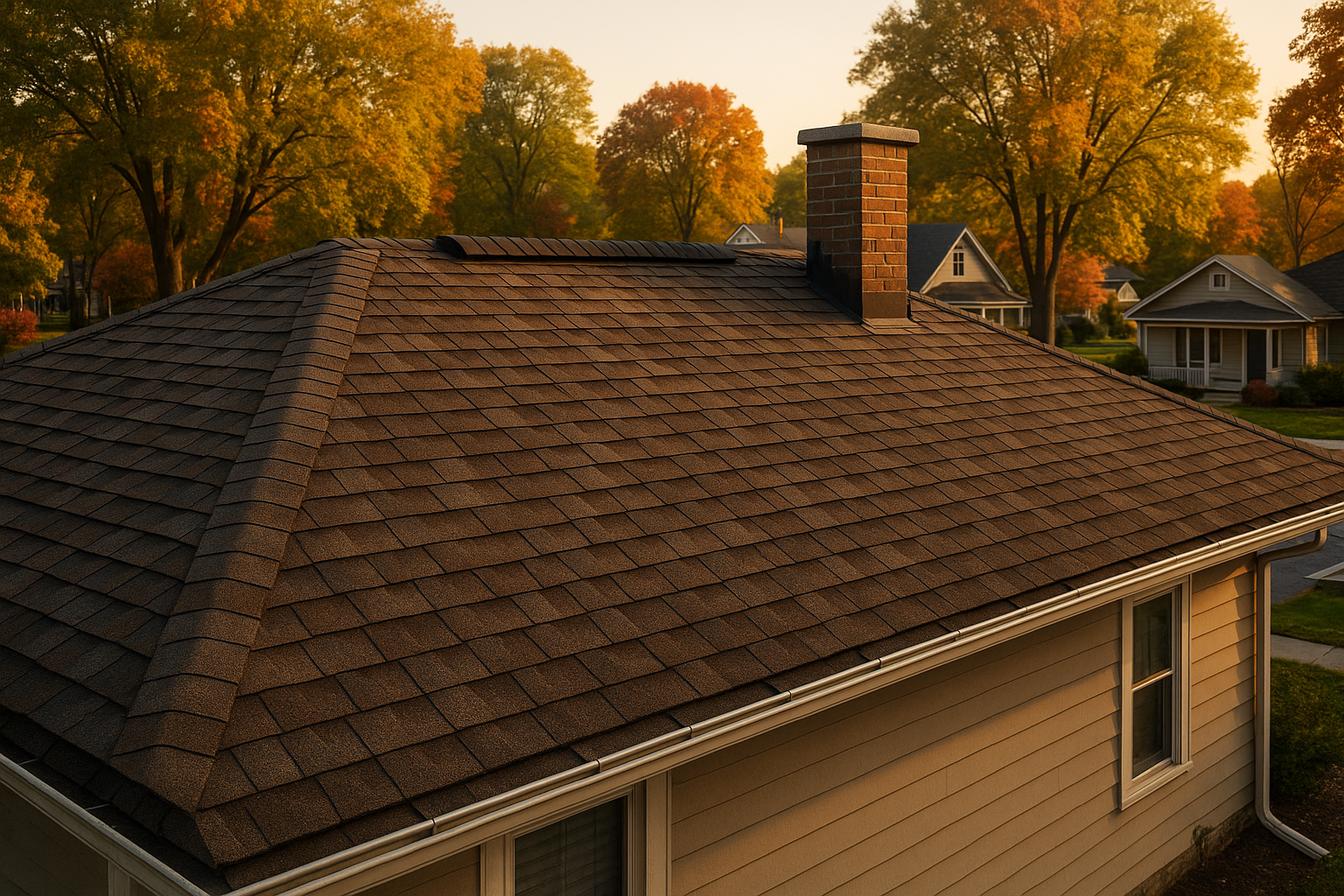
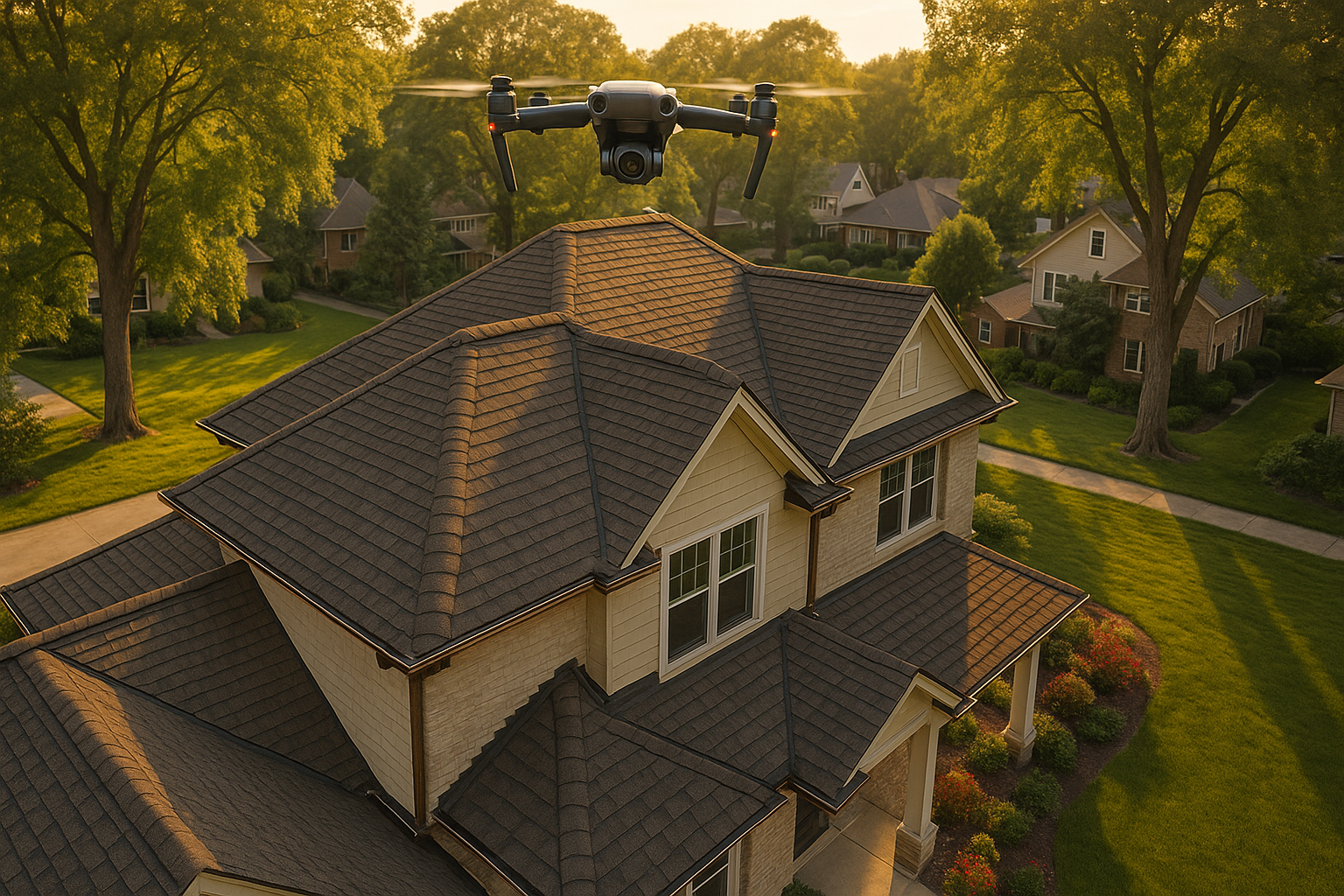
A drone roof inspection is exactly what it sounds like—a small, camera-toting UAV flies over your house and snaps high-resolution photos of every slope, ridge, valley, and penetration. Instead of a guy in work boots tramping across your roof with a camera phone, we pilot the drone from the ground, carefully scanning the whole thing. The images we get now are so crisp you can zoom in and count granule loss on a single shingle, see hairline cracks around a vent pipe boot, or spot the first signs of ponding on a low-slope TPO section over your porch.
For most residential work, we’re not talking thermal imaging right off the bat (that’s more common on big commercial jobs), but the visual detail is usually more than enough to tell you whether you’ve got hail bruising, wind-lifted tabs, or debris damming up your valleys. And because we’re flying under FAA Part 107 rules—line of sight, no zipping over crowds—the whole process is legal and respectful of your property. We check for event TFRs around Lucas Oil Stadium or heliport activity downtown, and grab LAANC authorization when we’re near IND airspace.
When It Makes Sense in Indianapolis
A drone really earns its keep here because of our local weather. Hail season runs March through June, and we often get those sudden downbursts that rattle windows in Carmel and Zionsville. After a storm, you’re left wondering: did that pea-sized hail dent my metal roof, or did it just knock off a few granules? A drone can check the whole surface in half an hour—no ladders leaning against your siding, no trampled flowerbeds. I’ve seen a single pass reveal hail hits on the north slope that nobody noticed from the ground.
Fall is another prime time. If you live in an older neighborhood like Meridian-Kessler with oaks dropping leaves like confetti, your valleys and gutters can get packed by November. A drone survey before freeze–thaw cycles start gives you a clear picture of what’s sitting up there. Ice dams love to form on north-facing eaves when gutters are clogged and ventilation’s poor—catching it early can save you a lot of water damage. (We wrote a whole thing on fall roof prep you might find useful, by the way.)
And if you’re selling, a drone roof report can be part of your disclosure. Buyers love seeing clean, dated aerial images of the roof condition—it’s a lot more transparent than a sentence in a form. Real estate agents around here are starting to ask for them.
The Pros and Cons: Drones vs. Boots on the Roof
Look, I’m not going to tell you a drone beats a hands-on inspection every time. If I find something suspicious, I might still need to go up and poke at a soft spot or lift a shingle to check the underlayment. A drone sees the outside, period. It won’t climb into your attic with a flashlight and a moisture meter. So no, it’s not magic.
But in a lot of situations, it’s a safer, faster, and frankly smarter starting point. Steep roofs—like those pitches on 1920s bungalows in Broad Ripple—are nerve-wracking to walk. A drone doesn’t care about pitch. Slate and tile? No chance of cracking an antique tile underfoot. Even a simple one-story ranch with a flat TPO roof: a drone can capture the seams and any ponding water without anyone stepping on the membrane, which matters because TPO can get slick and you don’t want to drag debris across it. (If you’ve got a commercial flat roof, the same logic applies, just at scale—we’ve covered that in more detail here.)
The speed is undeniable. A typical two-story home in Greenwood takes about 30–40 minutes to fully document, from setup to packing up. That means less disruption for you—no ladders banging, no trucks parked out front for hours. And the images we hand over are a permanent record. If you file an insurance claim for hail damage, our dated, high-res photos showing the broken granule pockets often help move the process along. (Not legal advice, just what we’ve seen work.)
Costs vary by roof size and complexity, but generally, a drone roof inspection in the Indianapolis area runs significantly less than a full walk-on inspection plus a separate report. We break it down on a quote, no surprises.
What We Check For on Local Roofs
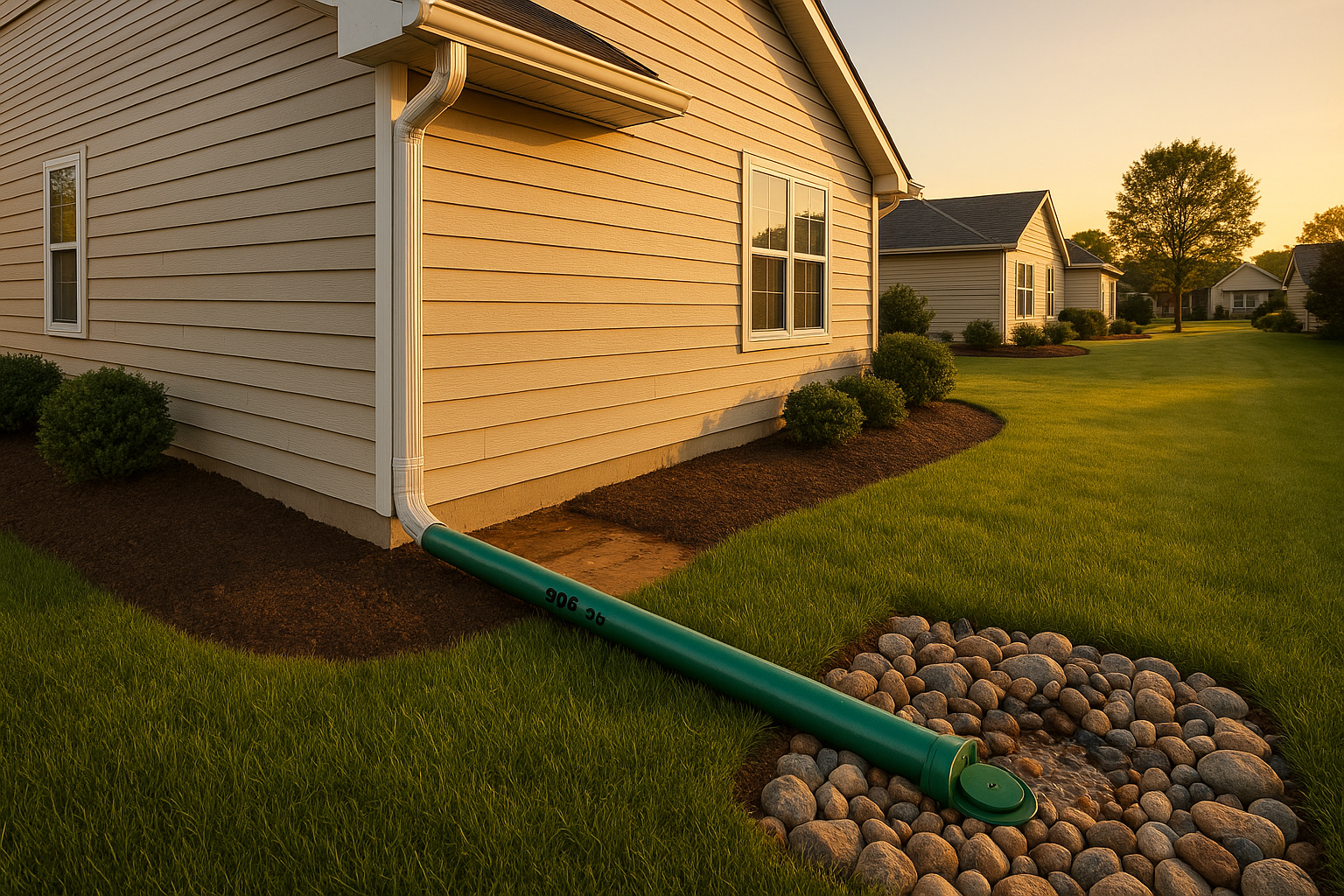
Our eyes look for the stuff that Central Indiana dishes out: hail bruising, wind-lifted tabs, ice-dam staining along the eaves, flashing gaps around chimneys and skylights, and curly or cracked shingles from UV wear. In neighborhoods with heavy tree cover—think Meridian-Kessler, parts of Zionsville—we also look for moss or algae streaks that hold moisture and accelerate shingle breakdown. Clogged valleys and overfilled gutters are a favorite hiding spot for squirrel nests and water backup (and you can read more about how that affects your foundation here).
Metal roofs, standing seam or corrugated, we check for loose fasteners, oil-canning, and seam separation—a lot of these are easier to see from above than below. Flat roofs, whether TPO or EPDM, we scan for ponding, blisters, and seam gapping. Even the best-installed flat roof can get ponding after a heavy spring rain, and a drone can spot the exact low spot that’s holding water.
The RoofPros Process: From Call to Report
When you reach out, we don’t just show up with a drone. We ask a few questions first: What’s your concern? Had a recent storm? Water spot inside? Just doing a wellness check? Then we check the weather—drones don’t fly in rain or wind over about 20 mph—and any airspace notices for your part of Indianapolis. We fly line-of-sight, usually from your yard or driveway, with a small safety perimeter. During the flight, we capture overviews, detail shots of all slopes, ridges, valleys, and every penetration (chimneys, vents, skylights). We take notes on anything that looks off.
A day or two later, you get a report with organized photos and an annotated summary: here’s what we saw, here’s what it means, and here’s what we’d recommend doing, if anything. No jargon. Sometimes we’ll suggest a secondary attic check to verify moisture, but a lot of the time, the drone gives you enough to decide: repair now, monitor, or plan for replacement.
Common Questions (and Straight Answers)
Do I need to be home? Not usually. As long as we have access and clear your pets inside, it’s fine.
Will the drone hurt my roof or landscaping? No. The camera isn’t dropping anything, and the downdraft is negligible—we’re not hovering inches off the shingles.
What about privacy? We’re only looking at your roof. Cameras point down and at the house, not into windows or neighbors’ yards. And we’re always transparent about what we’re filming.
What if the weather’s bad? We reschedule. Flying in wind, rain, or icy conditions isn’t safe and doesn’t get you clear images. Indiana weather is picky, so we build some flexibility into the schedule.
If you’re ready to see what’s really going on up there, we’d be glad to schedule a time that works. Just head over to our quote form, pick a slot, and we’ll lock in the details before we ever power up a drone. Tell us what you’re concerned about—we listen first, fly second.
Ready for a free roof assessment?
We climb the roof, photograph the damage, and give you an honest read — no pressure, no upsell.