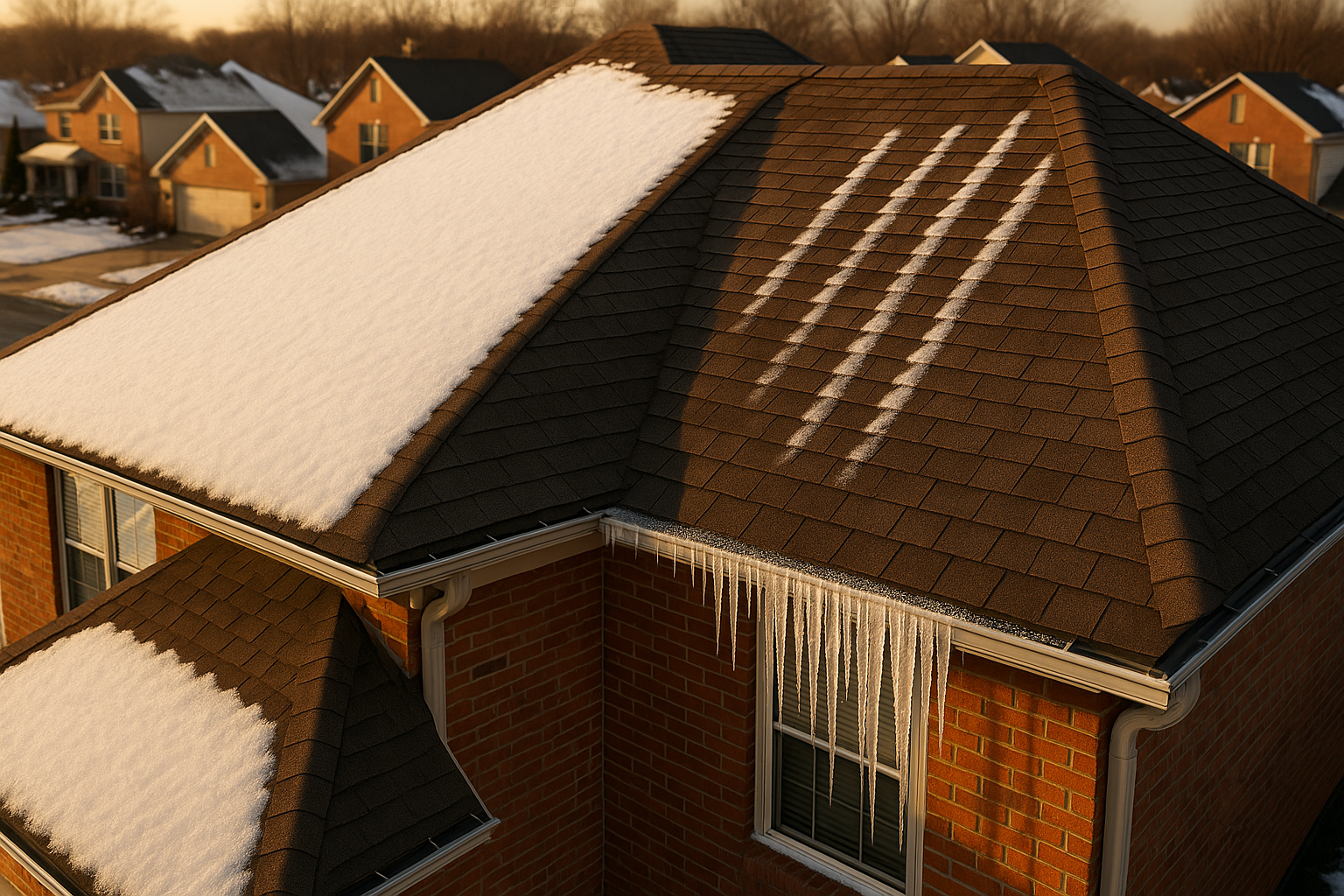
Last October, my neighbor Dave noticed a small water stain on his living room ceiling. It happened right after the first hard frost, when the sun came out and the ice on the roof started melting. He figured it was just a one-time thing—maybe a little ice backed up. But by Thanksgiving, that stain had grown into a soggy, blooming mess. A roofer told him the real problem was a tiny crack in the flashing around his chimney. That crack could’ve been sealed in about 20 minutes during a fall roof maintenance visit, for a fraction of what he ended up paying to fix the drywall and insulation. I’ve heard similar stories from homeowners all over Indianapolis—from Meridian-Kessler to Broad Ripple to the winding streets of Fishers. Fall is the sweet spot for catching those small things before they turn into big ones.
Why Fall Is the Perfect Time for Roof TLC
Here in central Indiana, the weather gives you a narrow window. After the leaves finish dropping (usually late October into early November) and before the ground freezes hard, you’ve got a chance to really see what’s going on up there. The temperature’s comfortable for outdoor work—no blazing sun, no ice-slick ladders. And once we hit winter, freeze–thaw cycles start working like little wedges, prying open any existing cracks wider. A missing shingle in November is a leak waiting to happen in January. So fall roof maintenance makes total sense.
What to Check from the Ground (and When to Call a Pro)
I’m not a fan of homeowners climbing onto steep roofs. Honestly, most of what you need to spot can be done from the ground with a pair of binoculars. But there are times when you definitely want a licensed pro on a ladder. If your roof has a pitch steeper than 6/12, multiple skylights, or you’re just not comfortable with heights, it’s smarter to bring in somebody with the right gear and insurance. Roof walking is risky—fall hazards are real, and you can do more damage than good by stepping on shingles the wrong way.
Shingle Check
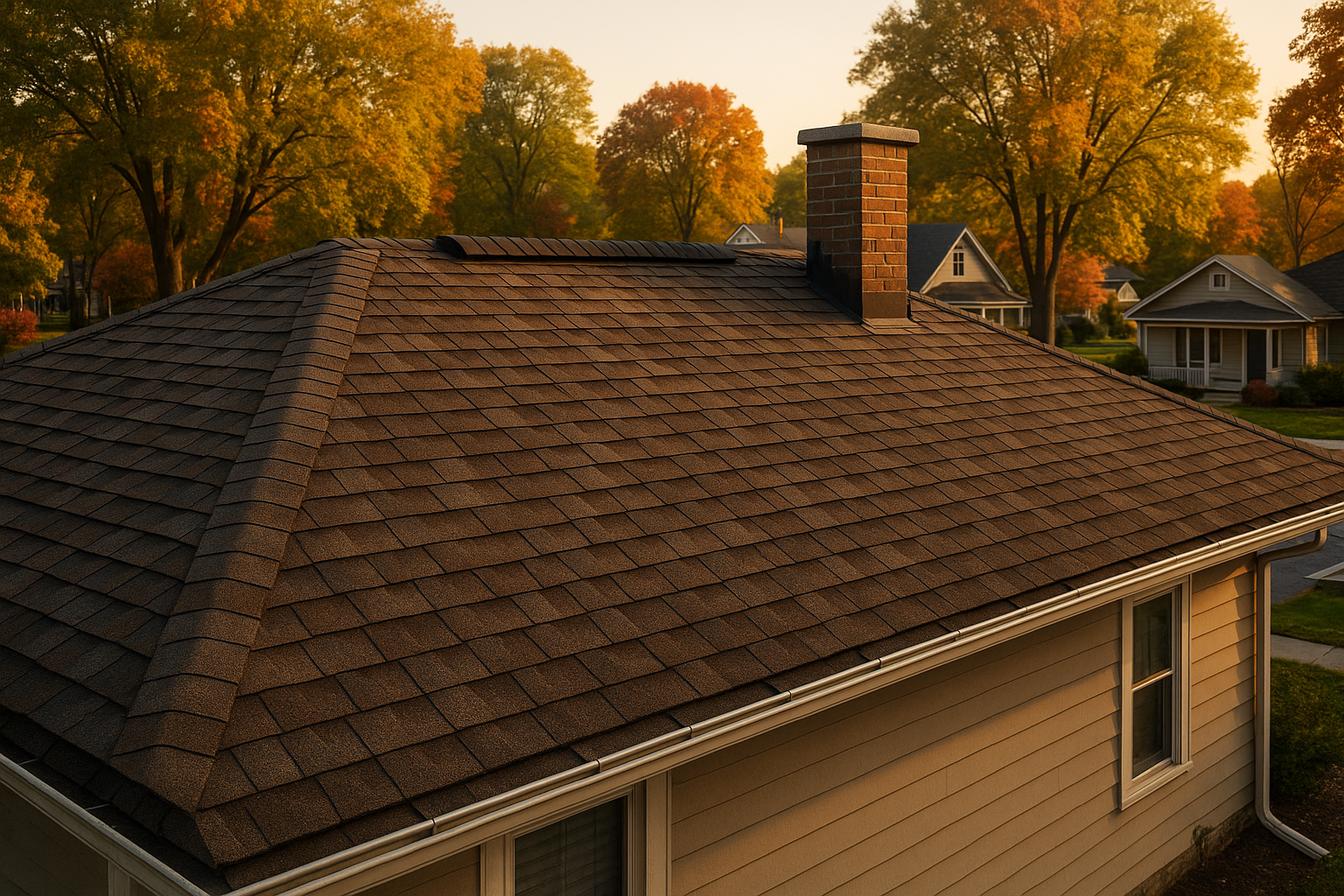
Start by scanning for any shingles that look cracked, curled at the edges, or flat-out missing. You’ll often see granule loss first—little piles of gritty particles in the gutters. That’s a sign your asphalt shingles are aging. If you see a lot of granules, or patches where the asphalt is exposed, the shingles aren’t protecting the way they should. In Indy’s windy fall fronts, lifted edges can become torn off entirely. A single missing shingle might not look like much, but it leaves your roof deck exposed. And around here, with our heavy leaf drop from maples and oaks, that bare spot can trap wet leaves, speeding up rot underneath.
Flashing and Sealants
Chimneys, skylights, vents, and any place where the roof meets a wall—these are your weak points. Flashing (the metal strips) should be flat against the surface, not pulling away. If you see cracked, brittle, or missing sealant around any penetration, that’s a direct path for water. I’ve seen chimney flashing that looked fine until you poked it with a finger and it crumbled. Fall is the time to refresh that sealant, because once ice forms, it’ll force its way in and split things open further. A tube of roof caulk and a steady hand from a pro can fix this quickly.
Gutters and Downspouts
Your gutters work overtime in the fall. All those leaves from the big oaks in neighborhoods like Irvington or Butler-Tarkington pile up, clogging downspouts. When water can’t flow, it backs up under the shingles or overflows onto the fascia. Then you get staining, rot, and eventually leaks. Even if you cleaned the gutters yourself after leaf drop, check that the downspouts actually carry water away. In Indianapolis, with our heavy clay soil, you need downspout extensions to push water at least 6 feet from the foundation—otherwise you risk basement dampness or foundation cracks. A simple test: run a hose into the gutter and watch where the water ends up. If it pools near the house, it’s time to improve that drainage layout.
Don’t Forget About the Attic
A lot of winter roof problems start in the attic. Heat escaping from your living space warms the roof deck, melting the bottom layer of snow. Then that water runs down and refreezes at the cold eaves, forming an ice dam. The only way to prevent ice dams reliably is to keep the roof deck cold—and that means balanced attic ventilation. Make sure your soffit intake vents aren’t blocked by insulation. Ridge vents or exhaust fans need a clear path. While you’re up there (or while a pro is), check the insulation depth. In Indiana, about 14–16 inches of fiberglass or its equivalent is typical. If you see dark stains or damp spots on the underside of the roof deck, you’ve got a ventilation or moisture problem that needs attention before winter.
Trees, Water Flow, and Other Fall To-Dos
Tree branches that rub against the roof during windy days can scrape off granules and eventually damage shingles. Trim them back at least 6 to 10 feet if you can. Overhanging limbs also drop extra leaves and twigs onto your roof, adding to the debris load. I’ve seen homes in Zionsville and Carmel where the roof valleys were completely buried under a mat of wet leaves—perfect habitat for moss and algae to get established. Speaking of moss, if you see green growth on shingles, it holds moisture and can lift edges. A gentle cleaning with the right product (a pro will know the safe methods) is a good fall step.
While you’re checking drainage, take a look at the fascia and soffits. Any staining or paint bubbling can indicate water overflow from clogged gutters or a drip-edge issue. The drip edge—that metal lip at the roof’s perimeter—should be properly installed to direct water into the gutters. If it’s missing or bent, water can run behind your gutters and rot the wood.
Why a Little Now Saves a Lot Later
I get it, nobody wants to spend money on something that doesn’t feel urgent. But targeted fall roof maintenance usually costs a fraction of what you’d pay for emergency leak repairs. Re-sealing flashing, replacing a few damaged shingles, and clearing gutters might run a few hundred dollars. A water-damaged ceiling can run into thousands, not to mention the hassle. And if you wait until spring, winter’s freeze–thaw cycles may have already turned a small problem into a rotten roof deck. I’ve met homeowners who put off a simple shingle replacement only to discover a decking replacement was needed by April. Early fixes are almost always cheaper.
When you work with a roofing pro on fall maintenance, you should get more than just a quick look. At RoofPros, we provide a detailed photo report with a prioritized list of what needs attention now and what can wait. That way you’re not guessing. And you can plan for future expenses. If you’re in the Indianapolis metro—from downtown to the northside suburbs like Fishers and Westfield, or south to Greenwood—this kind of proactive check is tailored to our local weather and tree patterns.
If you’d rather have a pro handle all the ladder work and give you that clear, documented report, just reach out for a quote and pick a time that works. We’ll get you squared away before the first hard freeze. It’s the simplest way to head into winter knowing your roof is ready for whatever Indiana throws at it.
Ready for a free roof assessment?
We climb the roof, photograph the damage, and give you an honest read — no pressure, no upsell.