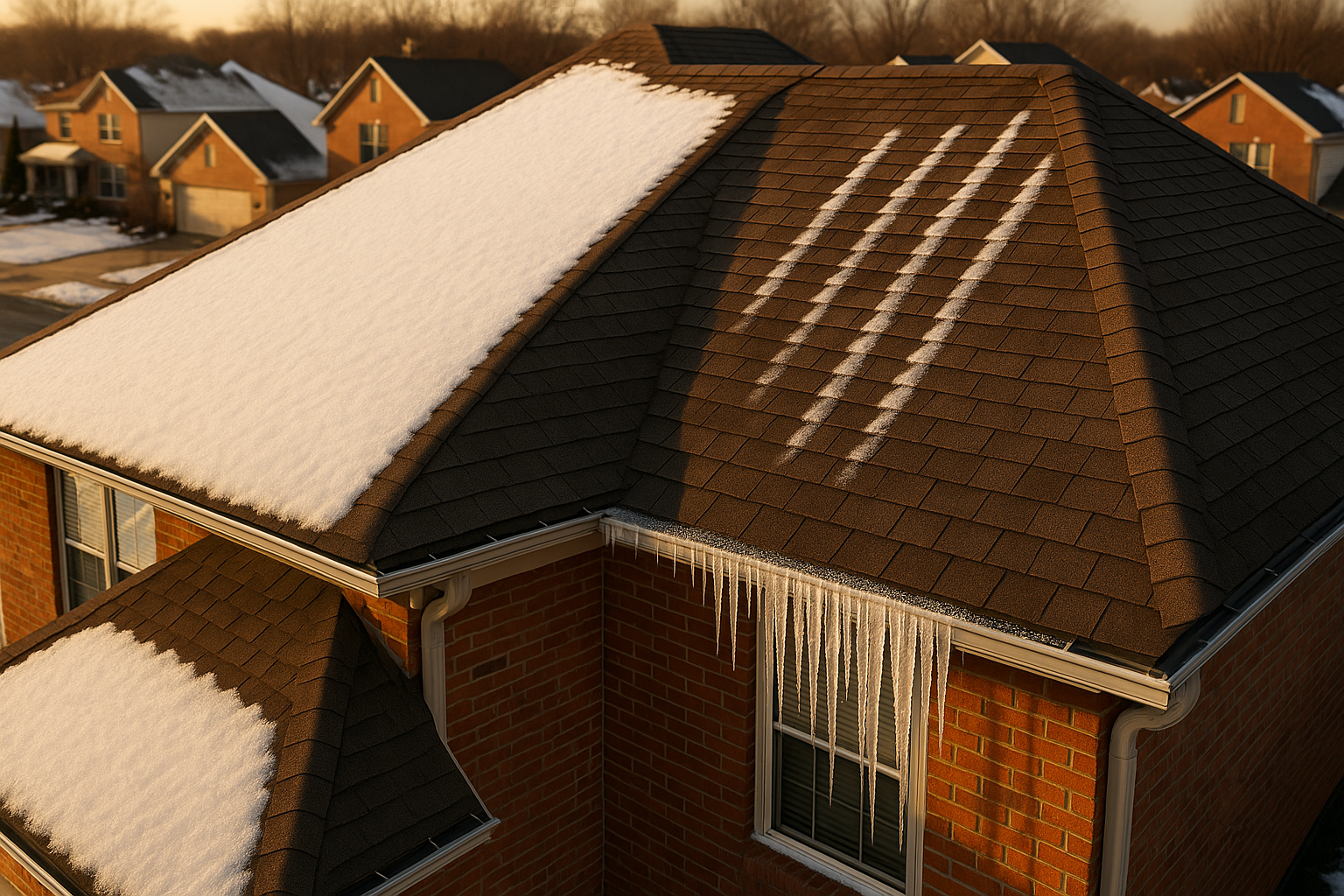
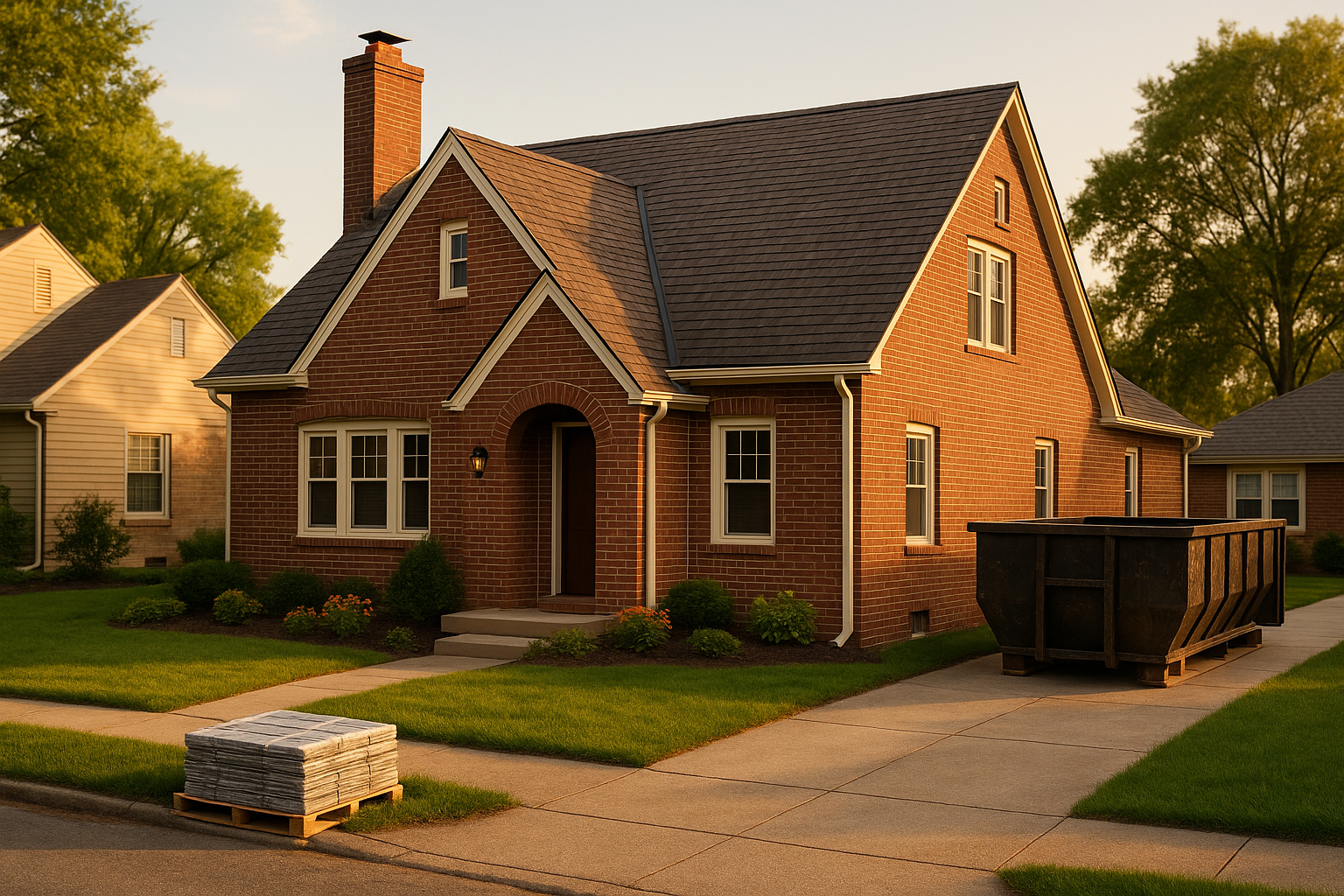
Indianapolis weather asks a lot of your roof—freeze–thaw cycles, spring hail and wind, hot summers, and heavy rain. If you’re comparing bids after storm wear or an aging roof, the right contractor should make decisions simpler, not harder. This guide explains how to evaluate Indianapolis roofing companies, what to expect in a clear scope of work, and how RoofPros approaches planning-first roofing with clean communication and premium craftsmanship.
Start with clarity on scope and goals
Before you request estimates, define what you want your project to accomplish.
- Repair or full replacement: Has the roof reached the end of its service life, or is a targeted repair appropriate? If you’re unsure, a documented roof inspection helps you decide.
- Look and performance: Architectural asphalt shingles remain popular for value and curb appeal; standing-seam metal lasts longer and resists wind well. See our comparison: /blog/asphalt-vs-metal-roofing-indiana/
- Extras and add-ons: Are you planning skylight replacements, chimney flashing updates, ventilation improvements, or new gutters? Align all exterior work in one plan to minimize disruptions.
- Budget and transparency: Ask for line-item pricing and, if helpful, cost ranges. For budgeting context, see local guides: /asphalt-shingle-roof-cost-indianapolis/ and /metal-roof-cost-indianapolis/.
A little planning goes a long way. Clear goals help you get apples-to-apples estimates and avoid surprises once the crew is on site.
Verify Indianapolis credentials, permits, and local presence
In the City of Indianapolis, contractors performing roofing work typically maintain active registration with the Department of Business and Neighborhood Services (BNS) and carry proper insurance. Before you sign:
- Registration: Ask for the contractor’s current BNS registration and confirm status.
- Insurance: Request certificates of general liability and workers’ compensation—sent directly from the insurer when possible.
- Local address and references: Favor contractors with a verifiable Indianapolis-area address and recent local projects you can actually drive by.
- Permits and inspections: Depending on scope, a permit may be required. Your roofer should confirm needs with BNS, coordinate inspections, and advise on Marion County or city-specific requirements.
- HOA/historic approvals: Older homes in Meridian-Kessler, Irvington, and Broad Ripple may have chimneys, steep slopes, or historic details that need careful flashing and potential approvals. Northside and eastside HOAs often require color/style sign-offs—build this into the timeline.
Local, insured, and accountable beats out-of-state storm chasers every time.
Insist on a line-item estimate you can understand
A premium roof is a system, not just shingles. Ask each roofer to spell out the parts and methods so you can compare quotes fairly. A clear proposal should detail:
- Underlayment: Synthetic underlayment brand/type and any high-temp products in heat-prone areas
- Ice-and-water shield: Exact placement (at eaves, valleys, penetrations, and along low-slope transitions)
- Drip edge and starter: Colors, profiles, and coverage at all eaves and rakes
- Ventilation plan: Intake (soffit) plus exhaust (ridge vent) sized for your attic; how existing fans or gables are addressed to maintain balance
- Valleys: Closed-cut, woven, or exposed metal; gauge and finish if metal is used
- Flashings and details: Step flashing at sidewalls, chimney counter-flashing, kick-out flashing, and any apron or headwall metal
- Penetrations: New pipe boots, sealants specified by type, and skylight handling (replace or reflash)
- Decking: How bad or spaced decking is handled, plus contingency pricing per sheet/linear foot
- Fasteners: Nail type, length, and pattern appropriate to slope and wind rating
- Jobsite protection: Landscape tarps, plywood for driveways, and dumpster/material staging plan
- Cleanup: Daily magnet sweep routine and final walkthrough
- Warranty terms: Manufacturer tier and workmanship coverage in writing
Clean, line-item scopes reflect professional planning and make approval straightforward.
Materials that perform in Indiana’s climate
Central Indiana rewards thoughtful material choices:
- Shingles: Architectural shingles with strong wind ratings; consider Class 3 or Class 4 impact resistance for hail-prone areas
- Underlayment: Full synthetic underlayment for durability and dry-in security
- Ice-and-water: At minimum along eaves and valleys; extend coverage on low-slope or weather-exposed sections
- Valleys and flashings: Properly detailed metal valleys and step flashing at every sidewall; chimney counter-flashing cut-and-sealed into the masonry
- Ventilation: Balanced intake and exhaust to lower attic heat, reduce ice dam risk, and support shingle longevity
- Gutters: 6-inch gutters and properly sized downspouts improve stormwater handling during heavy rain events
RoofPros specifies materials for local conditions and documents them on your proposal—no guesswork.
Understand warranties—what’s covered, what voids coverage
Warranties vary by manufacturer, product tier, and installer program. Read the fine print and ask for all documents at completion.
- Manufacturer warranty: Coverage can include wind ratings, algae resistance, and limited manufacturing defects; hail is often excluded or limited unless you choose impact-rated shingles
- Workmanship warranty: Covers installation defects for a set term by the contractor; confirm length, response process, and transferability
- Registration and documentation: Some enhanced warranties require specific accessory use and registration—ensure your contractor handles this and gives you proof in writing
A careful install plus proper attic ventilation is the best warranty protection you can buy.
Scheduling, site protection, and cleanup in Indy neighborhoods
A typical Indianapolis re-roof takes 1–2 days with weather buffers. Expect noise, driveway access needs, and staged materials. Ask how your crew will:
- Protect property: Tarps over landscaping, plywood paths on delicate driveways, and clear dumpster placement that respects alleys and tree-lined streets
- Handle weather: Plans for rain delays and safe dry-in procedures
- Manage winter installs: Use of cold-weather adhesives, hand-sealing on shaded slopes, and minimum-temperature guidelines to ensure shingle bonds
- Communicate daily: Who supervises your job and how updates are delivered (text, photos, or both)
A clean jobsite is craftsmanship you can see long before the final walkthrough.
Insurance claim scenarios: keep control of your project
After hail or wind, you choose the contractor—not the insurer. A good roofer should help you align the scope with the adjuster’s line items, identify legitimate supplements, and document damage clearly. Avoid agreements that lock you in before you’re ready or that promise to “eat your deductible.” If you need a step-by-step after a storm, start here: /blog/what-to-do-after-hail-storm-indiana/
Compare bids fairly and watch for red flags
Price matters, but the cheapest number can hide shortcuts. Compare on:
- Crew experience and on-site supervision
- Material selections and ventilation plan
- Flashing details, underlayment types, and valley method
- Workmanship and manufacturer warranty terms
- Local reviews, clear references, and BBB presence (look for patterns, not perfection)
Red flags in Indianapolis to avoid:
- Door-knockers right after hail with out-of-state plates
- No proof of insurance or unwillingness to share BNS registration
- Vague scopes (“we’ll replace as needed”) without prices for decking or flashings
- Large upfront cash demands or “today-only” pricing pressure
Key questions to ask a roofer (and how RoofPros answers)
- Who supervises my job, and how often will I get updates? At RoofPros, a dedicated project lead provides daily photo/text updates and a final walkthrough.
- How are change orders handled? We discuss options, document scope and cost in writing, and seek your approval before work proceeds.
- What if decking is bad? Your estimate should include a per-sheet or per-linear-foot rate and criteria for replacement.
- What’s your plan for nails and debris? Daily magnet sweeps and a final cleanup are standard.
- What happens if weather moves in mid-project? We dry-in with synthetic underlayment and ice-and-water as needed, then return once it’s safe.
FAQs for Indianapolis homeowners
Do roofers need a specific license in Indianapolis, and how do I verify registration and insurance?
Roofers typically maintain an active contractor registration with Indianapolis BNS. Ask for their registration info and verify it. Request insurance certificates (general liability and workers’ comp) sent from the carrier.
Do I need a permit for roof replacement in Indianapolis, and who pulls it?
Permits may be required depending on scope. Your contractor should confirm with BNS, pull the permit when needed, and coordinate inspections.
How many estimates should I get, and how do I compare them fairly?
Three detailed, line-item estimates are usually enough. Match materials, ventilation plans, flashing approach, warranties, and cleanup practices—not just shingle brand and price.
How long does a typical roof replacement take in Indianapolis?
Most single-family homes re-roof in 1–2 days, with weather buffers. Complex roofs or additional carpentry can add time.
Can a roof be installed during Indiana winters?
Yes—with precautions. Use winter-grade adhesives, hand-seal as needed, and follow temperature guidelines. Ask your roofer to explain their cold-weather procedures.
What wind and hail ratings should I look for?
Choose shingles with robust wind warranties; consider Class 3 or Class 4 impact-rated shingles to improve hail resistance. Remember, hail coverage in warranties is limited unless specified.
What’s a reasonable deposit and payment schedule?
Avoid large upfront cash. A modest deposit with progress or completion payments tied to milestones is common. Get the schedule in writing.
What’s included in workmanship vs. manufacturer warranties?
Manufacturer coverage addresses product defects and specific performance items; workmanship covers the installation. Confirm terms, exclusions, and transferability.
How do I protect my home and landscaping during the project?
Your proposal should include landscape tarps, driveway protection, dumpster location, and daily magnet sweeps—plus a final walkthrough.
What are signs I should replace rather than repair?
Widespread granule loss, repeated leaks, curled or cracked shingles, failing flashing across multiple areas, and end-of-life age are indicators. For longevity context: /blog/how-long-does-roof-last-indianapolis/
How does the insurance claim process work for hail or wind damage in Indiana?
Document damage, file a claim, meet the adjuster, and compare the adjuster scope to your contractor’s findings. Your contractor can help with supplements when justified.
What ventilation upgrades are worth it in Indianapolis?
Balanced intake/exhaust with continuous ridge vent and adequate soffit intake reduces attic heat and moisture, supports shingle life, and helps with winter ice dams.
Ready for a clear, local proposal?
If you value clean communication and a precise scope, RoofPros can help. We’ll assess your roof, document conditions with photos, and deliver a line-item proposal tailored to Indianapolis codes and climate.
- Schedule a no-pressure roof assessment: /#quote
- Explore material choices and tradeoffs: /blog/asphalt-vs-metal-roofing-indiana/
Prefer to talk through exterior upgrades alongside your roof? Get a Free Deck Consultation. Whether you need roof repair, roof replacement, or a storm-damage inspection, we’ll start with planning, outline options, and make the next step easy.
Ready for a free roof assessment?
We climb the roof, photograph the damage, and give you an honest read — no pressure, no upsell.