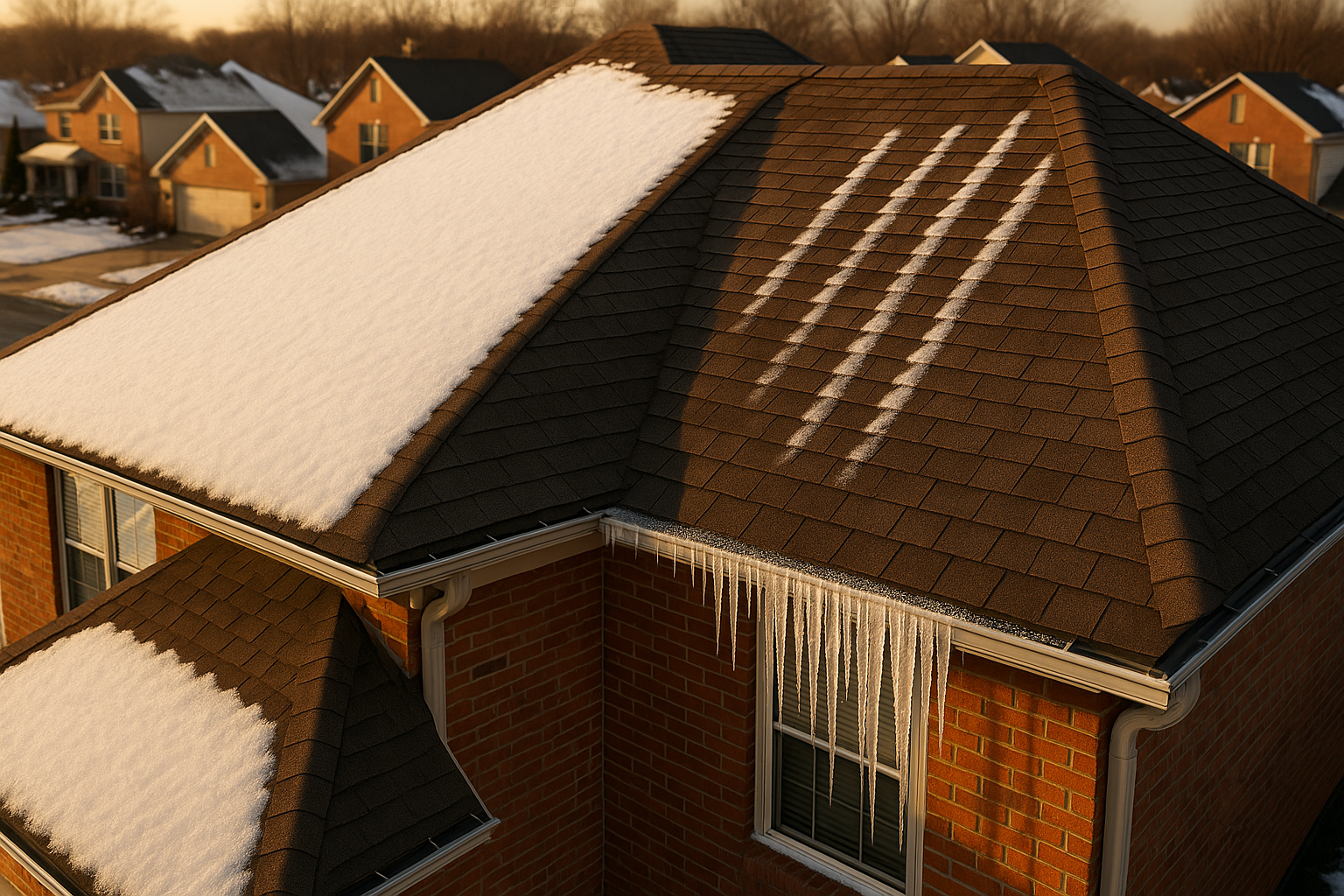
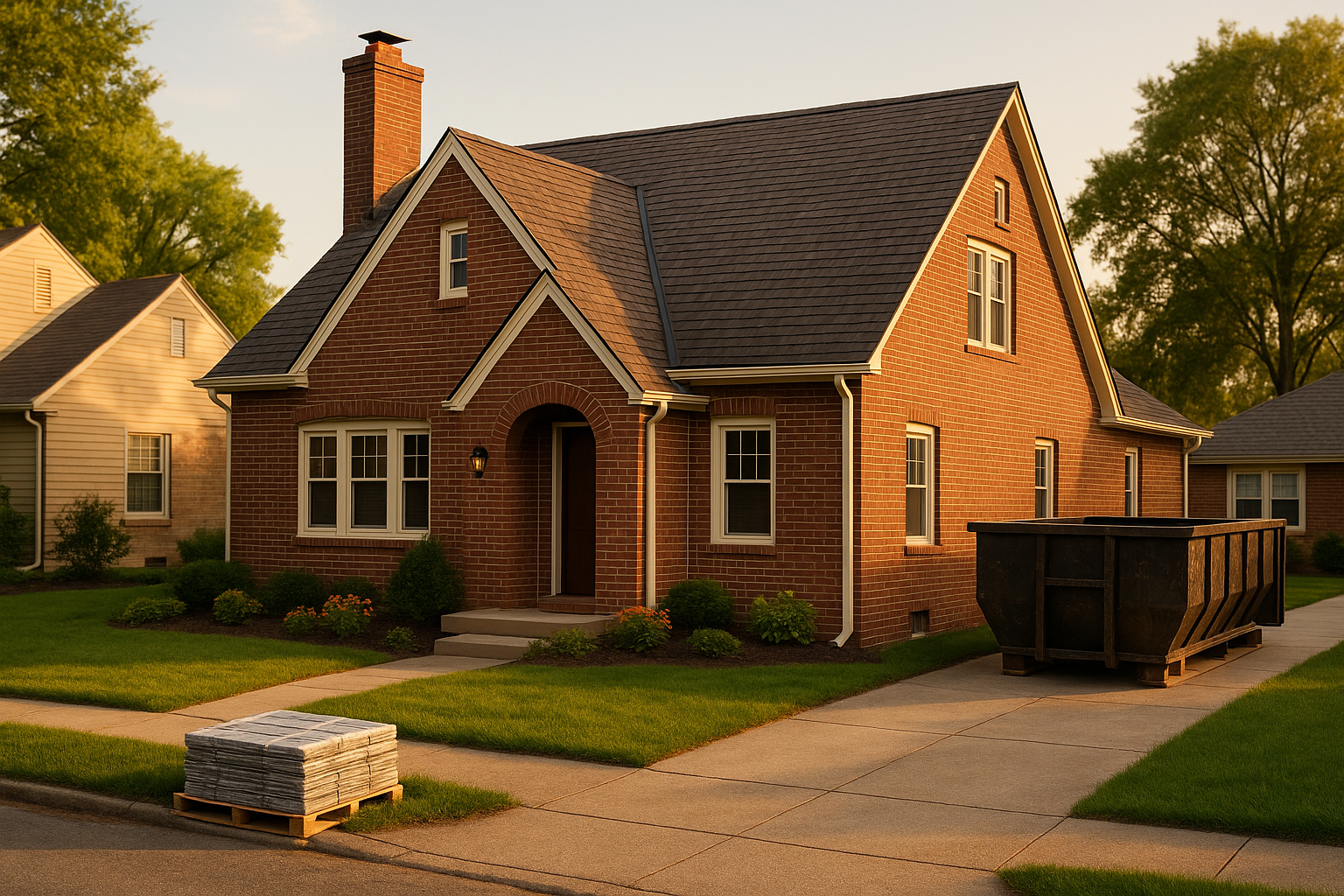
Storms move through Central Indiana every year, and many homeowners search for straight answers about homeowners insurance roof damage—what’s covered, what’s not, and how to move from inspection to a complete, code-compliant repair without surprises. RoofPros is an Indianapolis roofing specialist with a planning-first process and clear communication. Here’s a practical, local guide to help you make confident decisions.
What homeowners insurance typically covers (and what it doesn’t)
Most policies cover sudden, accidental damage from named perils such as hail, wind, and falling branches. In Greater Indianapolis, spring hail and late-summer straight-line winds are the usual culprits. Coverage generally applies to roof surfaces and related components if they were in reasonable condition prior to the storm.
Typically covered: - Hail impacts that bruise or fracture shingles, dents in soft metals (gutters, downspouts, vents), cracked skylight lenses, and damaged flashing - Wind-related creasing, torn or missing shingles, ridge cap failures, and lifted seams - Impact from fallen limbs or debris during a covered storm event
Common exclusions: - Wear-and-tear, aging, and maintenance-related issues (e.g., slow leaks from failed sealant, granule loss due to age) - Pre-existing damage or installation defects - Long-term moisture problems or improper ventilation
If you’re unsure whether a recent storm or normal aging caused a leak, start with a professional inspection and clear documentation. A thorough report improves claim clarity and reduces back-and-forth.
ACV vs RCV and what that means for your budget
Insurance policies typically pay either Actual Cash Value (ACV) or Replacement Cost Value (RCV) on roof claims.
- ACV: Pays the depreciated value of your roof at the time of loss. Older roofs see more depreciation, so your initial payout is lower. You pay your deductible plus the gap between depreciation and full replacement cost.
- RCV: Pays the full cost to restore to pre-loss condition with like kind and quality, subject to your deductible. Many RCV policies release funds in two stages: the initial ACV payment, then recoverable depreciation after the work is completed and invoiced per the approved scope.
Key terms to know: - Roof insurance deductible: The amount you pay out-of-pocket on any approved claim; it applies even if your roof is fully covered. - Recoverable depreciation: The withheld portion you receive after the project is completed, provided your policy is RCV and you meet documentation requirements.
Bottom line: Even with an approved claim, expect to pay your deductible and any upgrades or code items not covered by your policy.
Step-by-step claim process for Indianapolis homeowners
A clear plan prevents delays and surprises. Here’s a practical sequence RoofPros uses to keep things on track:
1) Emergency dry-in - If you have active leaking, request a temporary roof tarp. Many policies cover reasonable emergency mitigation to prevent further damage. Save the invoice.
2) Professional inspection and documentation - RoofPros conducts a comprehensive inspection with date-stamped photos, measurements, slope-by-slope notes, and collateral checks (gutters, downspouts, vents, skylights, flashing, soft metals). If hail is suspected, we document bruise counts by test square and note directional wind damage.
3) Notify your carrier - Report the claim with the date of loss. If you’re unsure of the exact date, we help align with publicly available storm data for the Indianapolis area.
4) Insurance adjuster roof inspection - The carrier assigns an adjuster. RoofPros meets the adjuster on-site to discuss observed damage, code items, and manufacturer requirements. We do not act as public adjusters; we provide professional roofing expertise and clear scope details.
5) Estimate review and scope alignment - Compare the carrier’s estimate to a written RoofPros scope that reflects Indiana code, manufacturer specs, and actual conditions. If legitimate items are missed (e.g., drip edge, ice-and-water protection in valleys, damaged ridge vents), we request supplements with supporting documentation.
6) Approvals, material selections, and scheduling - Once aligned, you choose materials and any upgrades. We place orders and set a start date considering weather, lead times, and municipal permit requirements where applicable.
7) Build, inspections, and closeout - We complete the roof per the approved scope. If your policy is RCV, the carrier releases recoverable depreciation after final invoicing and any required completion photos. You pay your deductible and any agreed-upon upgrades.
For quick steps after hail specifically, see our local guide: /blog/what-to-do-after-hail-storm-indiana/
Documentation that speeds decisions
Good documentation eliminates ambiguity: - Photos and video: Wide shots and close-ups of hail bruises, wind creases, missing shingles, and dented metals - Storm date proof: Date of loss aligned with local storm data - Test squares and slopes: Counts and locations demonstrating widespread vs isolated damage - Shingle details: Manufacturer, profile, and color for matching analysis; samples as needed - Inspection report: Clear narrative tying damage to a covered peril, plus any active leaks or interior impacts
This clarity helps the adjuster make a confident decision and streamlines supplements when necessary.
Code, matching, and scope details that matter in Central Indiana
Local requirements vary by municipality across Marion, Hamilton, Hendricks, Johnson, and Hancock counties. Typical roofing scopes here include: - Drip edge along eaves and rakes - Ice-and-water shield in valleys and other critical areas - Proper attic ventilation (often ridge vent with balanced intake)
Ordinance-and-law coverage: If your policy includes it, code-required items that weren’t on your previous roof may be covered. If not, they can still be smart upgrades for durability and manufacturer compliance.
Matching and partial repairs: Carriers often consider whether repairs will reasonably match existing shingles. Availability, age, and color shift matter. When a true match isn’t feasible, scope discussions may expand from patching to slope or full-roof solutions, policy- and carrier-dependent.
Don’t forget collateral items: Gutters, downspouts, box vents, skylights, chimney flashing, and soft metals frequently show storm impacts that should be included in the claim. If you’re budgeting future work, our cost overviews for entire systems may help: /roof-replacement-cost-indianapolis/ and /asphalt-shingle-roof-cost-indianapolis/
Permit coordination: RoofPros aligns scopes to municipal rules and coordinates where permits or inspections are required.
Timeline expectations after Indianapolis storms
After a major hail or wind event, expect high demand and some material lead times: - Inspection and documentation: 1–5 business days depending on volume - Adjuster meeting and estimate: Usually 1–2 weeks after filing (varies by carrier) - Supplements: 3–10 business days once submitted with documentation - Scheduling and materials: 1–3 weeks, influenced by weather and availability (impact-rated shingles and specialty colors can add time) - Build duration: Many single-family roof replacements complete in 1–2 days, with complex details potentially requiring more
Weather can shift schedules. RoofPros communicates clearly so you know what’s next at every step.
Why claims get denied or under-scoped—and how to respond
Common issues: - Wear-and-tear mistaken for storm damage - Insufficient documentation tying damage to a specific event - Missed items (e.g., ridge caps, flashing, soft metals) not included in the initial scope - Pre-existing installation defects or multiple roof layers complicating coverage
What helps: - A detailed re-inspection with clear photo evidence - Side-by-side scope comparison to code and manufacturer requirements - Timely supplements with measured quantities and supporting notes
If a claim is denied, ask about re-inspection procedures. A careful, professional assessment can clarify legitimate storm-related items.
Materials and specifications that reduce future risk
Indiana weather swings from hail to straight-line winds to freeze–thaw cycles. Consider: - Impact-rated shingles for better hail resistance - Upgraded underlayments and ice-and-water protection in critical zones - Balanced attic ventilation to reduce heat and moisture stress - High-quality flashing and ridge accessories proven in our climate
Not sure which system fits your goals? Compare options in our local overview: /blog/asphalt-vs-metal-roofing-indiana/
Practical FAQs for Indianapolis homeowners
- Does homeowners insurance cover roof leaks or only storm damage? Policies usually cover sudden, accidental damage from covered perils. Long-term leaks or maintenance issues are commonly excluded.
- What’s the difference between ACV and RCV? ACV pays depreciated value; RCV pays to restore with like kind and quality. RCV often includes recoverable depreciation after completion.
- How long do I have to file a claim in Indiana? Policies vary. Many require prompt notice and set a time frame (often around one year; some allow longer). Check your policy.
- Will filing a hail or wind claim raise my premiums? Premium changes depend on carrier, loss history, and market-wide events. Catastrophe-wide storms may affect regional pricing regardless of individual claims. Ask your agent for specifics.
- Do I need three estimates? Not typically. Your carrier values clear documentation and a fair scope. Choose a contractor who will document thoroughly and align with code and manufacturer specs.
- What if the adjuster missed damage—can I request a re-inspection? Yes. Provide clear photos and a professional report; your contractor can meet the adjuster to review.
- Are code upgrades covered? Only if your policy includes ordinance-and-law coverage. If not, they remain smart investments for performance and compliance.
- Will insurance pay to match my existing shingles? Matching is policy- and carrier-dependent and influenced by availability and age. When matching isn’t feasible, scope may change.
- Are gutters, vents, and flashing covered? If damaged by a covered peril, they’re typically included. Document dents, creases, and cracks.
- What temporary measures are covered? Reasonable emergency mitigation like tarping is often covered. Keep invoices and photos.
How RoofPros makes next steps easy
Our planning-first process is built for Indianapolis homes: - Thorough inspection and a written, itemized scope aligned to Indiana code and manufacturer specifications - Clean communication from first call to final invoice - Coordination with adjuster meetings to discuss observed damage (we do not act as public adjusters) - Premium craftsmanship using quality materials suited to our climate
Ready to see exactly where you stand? Schedule a no-obligation storm inspection and documentation report. We’ll map out a clear scope, discuss ACV vs RCV impacts, and outline your most predictable path forward. Start here: /#quote
If your exterior project spans multiple trades—or you’re planning a broader refresh—ask how we coordinate timelines and scopes across roofing, gutters, and more. Get a Free Deck Consultation.
Prefer to keep researching? These local guides can help: - /blog/what-to-do-after-hail-storm-indiana/ - /roof-replacement-cost-indianapolis/ - /asphalt-shingle-roof-cost-indianapolis/
When you’re ready, RoofPros will be here with a clear plan, realistic timelines, and the craftsmanship your home deserves.
Ready for a free roof assessment?
We climb the roof, photograph the damage, and give you an honest read — no pressure, no upsell.