Last March, I got a call from a guy over in Broad Ripple. He’d poked his head into the attic after a hard freeze and saw something that made his stomach drop—daylight peeking through the roof boards right above his daughter’s bedroom. Water had been sneaking in for months, rotting the wood from the inside out. He wasn’t just looking at a shingle job anymore. He needed roof decking replacement, and he needed it fast.
That’s the part nobody warns you about when you buy a house. Shingles get all the attention, but the real hero (or villain) is the layer of wood underneath—the roof decking. It’s what your shingles, nails, and underlayment all anchor into. If that decking goes soft, your whole roof system is compromised, no matter how pretty those new shingles look.
What Roof Decking Actually Does (And Why It Fails Here)
Roof decking (sometimes called roof sheathing) is essentially the solid surface that spans across your rafters or trusses. In most Indianapolis homes built after the ‘80s, it’s OSB—oriented strand board—typically 7/16” or 1/2” thick. Older homes might have 1/2” or 5/8” CDX plywood, which some folks swear by. Both can work fine if they stay dry, but around here, staying dry is the trick.
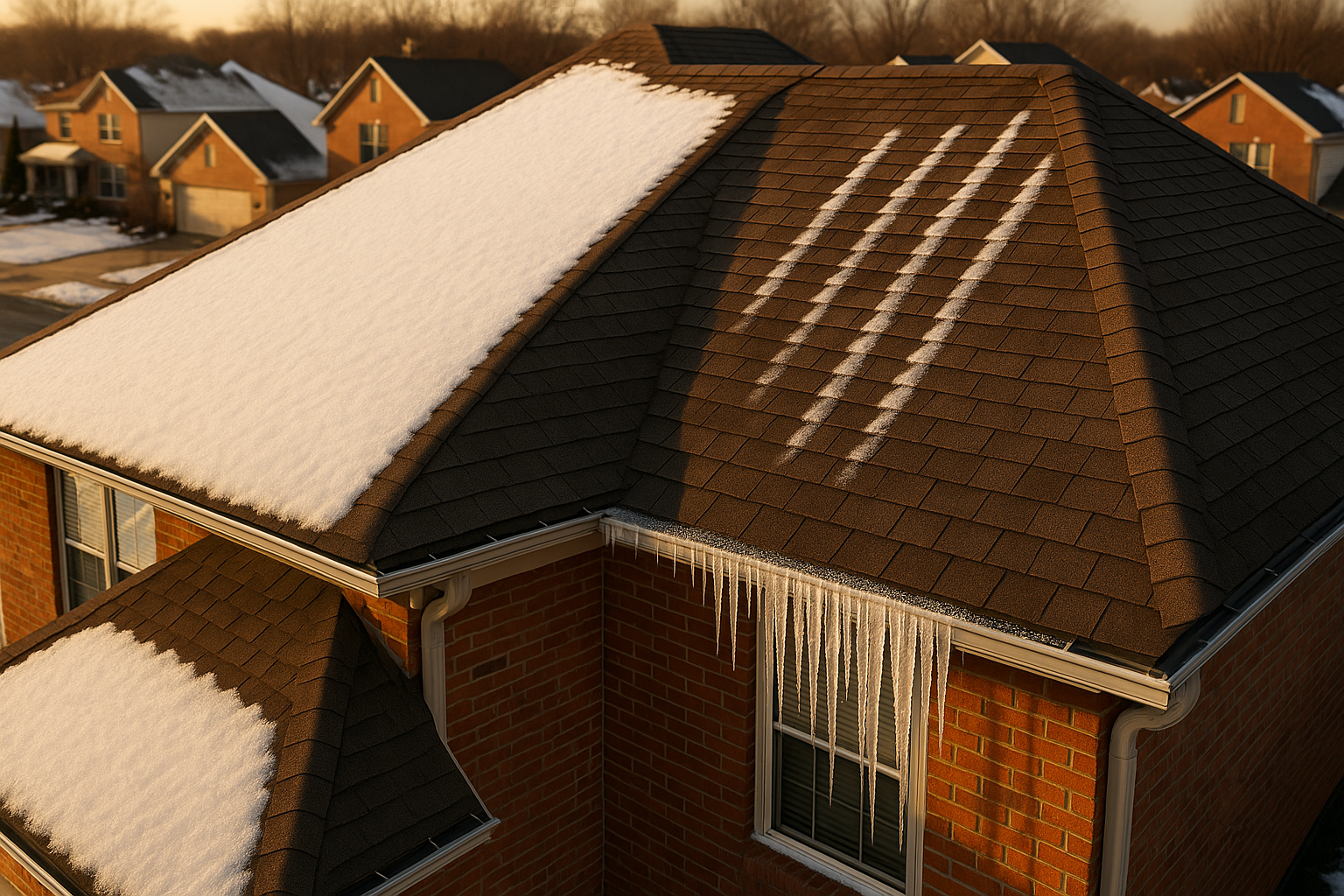
Indiana throws everything at a roof. We get those freeze-thaw cycles that push water under shingle edges, spring storms that drive rain sideways, and summer humidity that just hangs in the attic. Then there are ice dams along the eaves—I’ve seen them eat through decking in a single bad winter, especially in neighborhoods like Meridian-Kessler where mature trees drop leaves onto roofs and gutters get clogged.
Poor attic ventilation makes it worse. When warm, moist air from the house gets trapped up there, it condenses on the underside of the cold roof deck. That condensation soaks into the wood, which leads to rot, mold, and eventually those tell-tale soft spots you feel when you walk on the roof.
Signs Your Roof Deck is in Trouble
Some deck problems are obvious. Others hide until you tear off shingles. Here’s what RoofPros looks for during an inspection—and what you might spot yourself.
- Sagging or spongy areas when you step on the roof (carefully—don’t do this if you’re not sure).
- Daylight through the attic boards, especially after a good rain.
- Chronic leaks around chimneys, skylights, or plumbing vents.
- Widespread nail pops—those little bumps under the shingles where nails are backing out.
- Musty attic smells or visible mold on the underside of the sheathing.
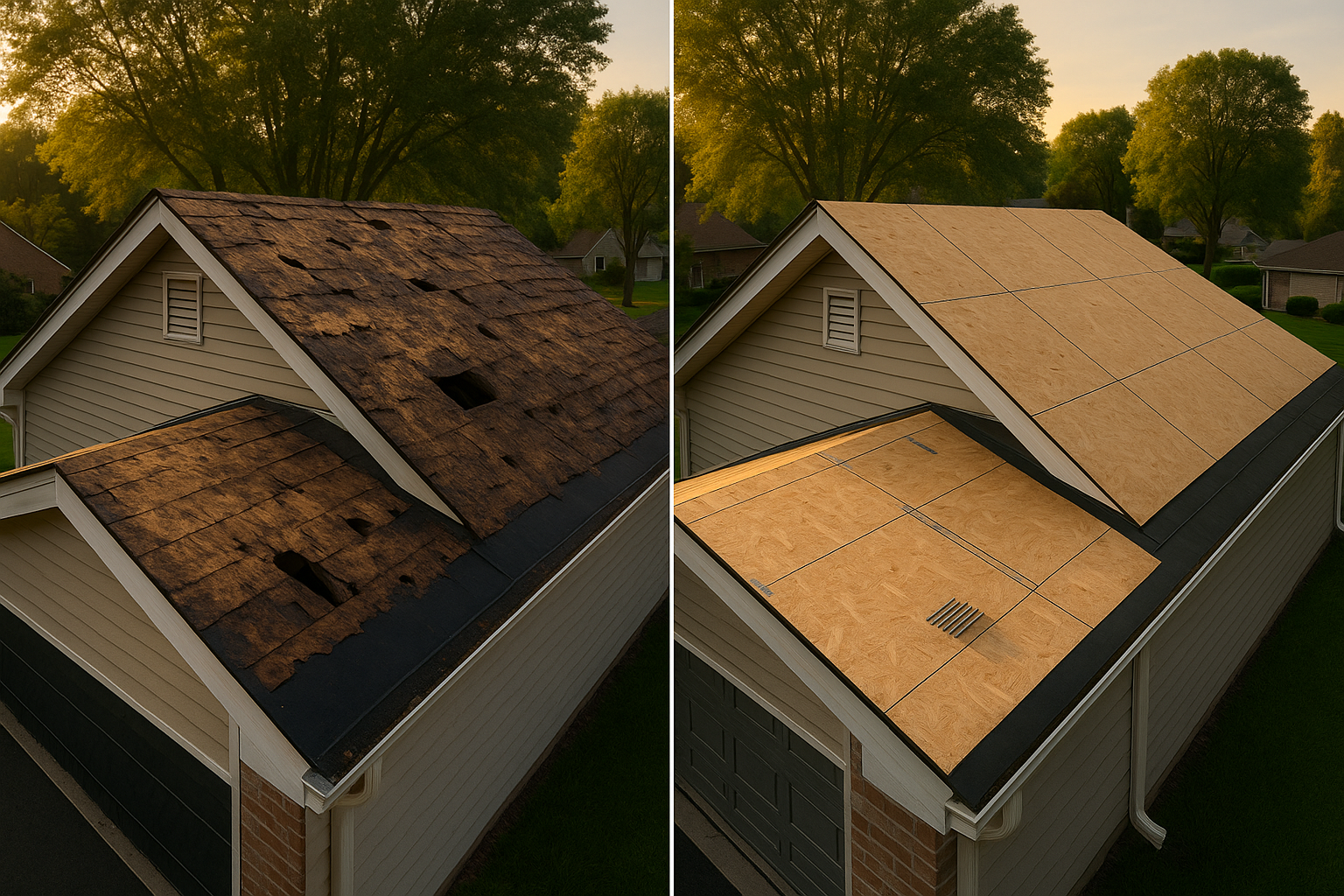
One homeowner in Fishers called us last summer because a corner of her roof felt “bouncy.” Turned out a tree limb had scraped the shingles during a windstorm months earlier, and water had been seeping in ever since. By the time we pulled up the shingles, a 4-by-8-foot section of OSB was as soft as a wet cracker. That’s not something you can just shingle over. Partial roof decking replacement fixed it right up.
When to Replace It (Partial vs. Full)
Not every roof tear-off means replacing every sheet. If the rot is isolated—say, around a leaking chimney or along the eaves where ice dams hit—we can isolate and replace only the compromised sections. That keeps your quote fair and your project timeline shorter.
RoofPros documents everything. We take photos of the damaged areas before and after, so you know exactly what you’re paying for. The rule is simple: if the wood won’t hold a nail or it’s structurally unsound, it gets swapped. Otherwise, it stays. There’s no upsell pitch here.
Sometimes older homes with spaced plank decking (think pre-1970s houses in Irvington or Speedway) need a full overlay because the gaps between planks don’t support modern shingle fastening. In those cases, we might add a layer of CDX plywood or OSB on top to meet current code. Our guide on roof maintenance covers more about what older roofs need.
The Process and What to Expect
If you’ve never had major roof work done, the idea of having your roof torn open can feel a little intense. But a good crew makes it straightforward.
- Tear-off and inspection – Shingles come off, we check every inch of decking, and flag anything rotty or wavy.
- Replacement – Damaged sheets get cut out and replaced with fresh OSB or plywood, fastened with 8d ring-shank nails, codes like H-clips at the seams for rigidity.
- Underlayment – We roll out synthetic underlayment across the whole roof, then apply ice and water shield at the eaves, valleys, and around penetrations. That shield is a must in Indiana, where ice dams are a real thing.
- Shingles and flashing – New shingles go on, flashings around chimneys and walls get inspected or replaced.
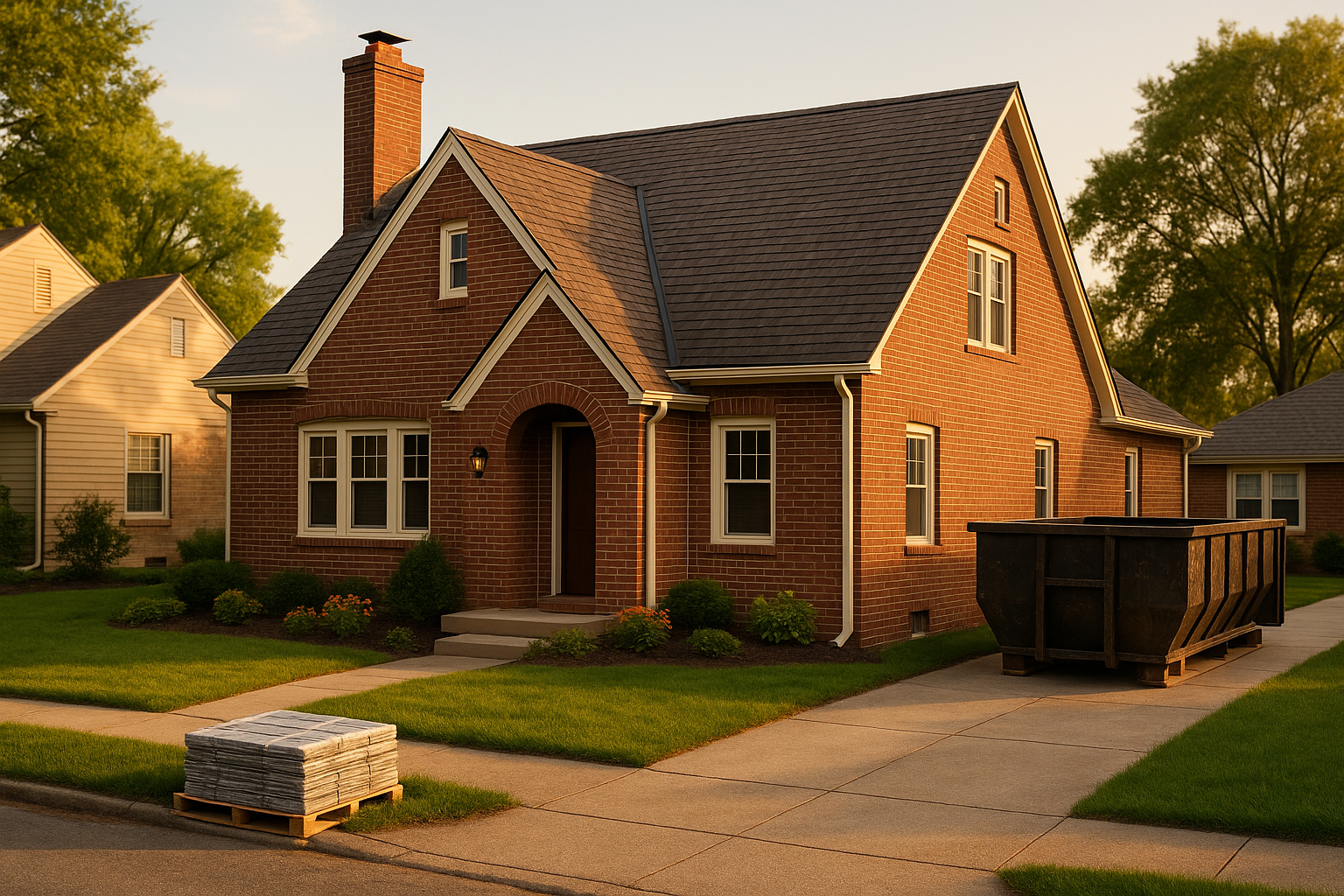
- Cleanup – Every day, the crew sweeps with a magnetic roller and tucks tarps over landscaping. You’ll barely know we were there (except for the great-looking roof).
Permits? Yes, if your job triggers them—and in Indianapolis/Marion County, structural decking replacement often does. RoofPros handles the paperwork. No running to the city yourself. Learn about when you need a roofing permit in Indy.
Making It Last: Ventilation and Underlayment
Replacing decking is the perfect time to fix what caused the rot in the first place. That often means balancing your attic ventilation. A proper system has intake vents (soffits) and exhaust vents (ridge or box vents) working together. In neighborhoods like Carmel and Zionsville, we see many homes with barely any intake because insulation got stuffed into the eaves. That’s a recipe for condensation problems.
When we open up the roof, we can add baffles and even cut in additional soffit vents to get air moving. Pair that with ice and water shield at the edges, and you’ve got a defense system that stands up to Indiana winters much better.
What It Costs and Insurance Reality
Decking replacement is usually priced per sheet. For a typical 4x8 foot sheet of OSB installed, you might see $60–$80 added to your project for material and labor, though this can vary. That’s transparent on your quote—you’ll know the per-sheet cost upfront, and we’ll show you exactly how many sheets went in.
Insurance is another story. Rotted decking from long-term leaks or lack of maintenance? Almost never covered. But if a tree falls and punctures the deck, or a storm tears off shingles and exposes the wood, that’s a different ballgame. We help you document damage with photos and make the process painless. Check out our tips on navigating insurance claims for Indiana roofs.
Why RoofPros for Your Roof Decking Replacement
Look, you can hire anyone to nail shingles down. But when the wood underneath needs work, you want a crew that’s not going to cut corners. We’re local—based right here serving Indianapolis, Greenwood, Brownsburg, Avon, Plainfield, and the northside suburbs. We know the quirks of Indiana codes, the fasteners that hold up, and the right underlayment stack for our weather. And we don’t treat your attic like a mystery—we’ll walk you through every photo, explain why that one sheet had to go, and give you a clean invoice that makes sense.
If your roof is leaking, feeling soft, or you’re just planning a replacement and want to know what’s hiding under those old shingles, let’s talk. Request a photo-documented inspection and a straightforward quote. We’ll treat your house like it’s our grandma’s—no mess, no surprises, just a solid roof that’ll keep you dry through every Indiana season.
Ready for a free roof assessment?
We climb the roof, photograph the damage, and give you an honest read — no pressure, no upsell.