A friend of mine out in Avon called me last spring in a panic. A straight-line windstorm had peeled a whole section of her roof off like the lid on a can of beans. When she started getting quotes, every contractor handed her a different shingle option—3-tab, architectural, designer, impact-resistant—and she had no clue what any of it meant. She just wanted a roof that wouldn’t fly away again, and maybe looked a little nicer than the flat, faded shingles her neighbors still had. If that sounds familiar, you’re in the right spot. This asphalt shingle types comparison is the kind I wish someone had handed her—real talk about what works in Avon weather and what’s just a waste of money.
The Shingle Showdown: 3-Tab, Architectural, and Designer
Let’s start with the three basics. Almost every asphalt shingle you see around Avon fits into one of these buckets.
3-Tab: The Budget Option (That’s Hard to Love)
3-tabs are the old-school shingle—flat, one layer, each strip has three notches that give it a uniform, almost tiled look. They’re the cheapest to buy, but here’s the thing: they’re thin, they don’t handle wind well, and they age fast. I’ve seen too many 3-tab roofs in Avon with corners flapping or whole tabs missing after a bad storm. They’re rated for 60 mph winds if you nail them perfectly, but in Hendricks County we routinely get gusts that top that. Technically you can still get them, and if your budget is absolutely maxed out and you’re planning to move in three years, maybe—but for most Avon homes, 3-tab vs architectural shingles isn’t even a contest. Spend a little more now, so you aren’t calling us again after the next spring thunderstorm.
Architectural (Dimensional or Laminated): The Sweet Spot
These are what 90% of the roofs we install in Avon end up being, and for good reason. Architectural shingles are built with two or more layers of asphalt laminated together, which gives them that random, textured, almost wood-shake look. They’re thicker, stiffer, and way better at staying put in wind—typically rated to 110 or 130 mph when installed with the right nailing pattern. The laminated shingles durability means you’re looking at 25–30 years of service, sometimes more if you keep up with attic ventilation. Curb appeal jumps tenfold over flat 3-tabs, and you’ve got a ton of color options that blend with Avon’s ranch and two-story gable styles. When I’m talking to a homeowner who just wants their roof to be strong, look good, and not cost a fortune, architectural is where we end up almost every time.
Designer (Luxury) Shingles: All the Curb Appeal, Heavier on the Wallet
If you’ve ever driven through an Avon subdivision and seen a roof that made you slow down and say “whoa,” it was probably a designer shingle. These are the laminated shingles’ big brother—even thicker, multi-layered, and shaped to mimic slate or cedar shake. They’re stunning, but they’re also 2–3 times the cost of architectural. The architectural vs designer shingles decision usually comes down to how much you care about curb appeal and how long you plan to live there. If it’s your forever home, designer can be worth it. But for the average Avon homeowner, dimensional shingles already give you 90% of the look at half the price.
Indiana’s Weather and Your Shingle Choice
Here’s where it gets really local. Avon weather isn’t just “some rain”—it’s wild temperature swings, hail the size of marbles, humidity that smothers your attic, and winds that barrel across open fields west of town. Your shingle needs to handle all of it.
Hail and Wind: Impact-Resistant Class 4 Shingles Are a Real Thing
If you’re losing sleep over hail damage, consider impact-resistant shingles Indiana. These are specially built to take a beating—rated Class 4 under UL 2218, which means they can handle a 2-inch steel ball dropped from 20 feet without cracking. I had a customer in Fishers whose entire neighborhood got new roofs after a hailstorm, except for three houses with IR shingles. They didn’t even need a shingle replaced. Yes, they cost more upfront, but many insurance carriers around Indianapolis give you a discount for them, and you won’t be filing claims every few years. For high wind rated shingles Hendricks County, look for shingles rated ASTM D7158 Class H (up to 150 mph), and make sure the installer uses the high-wind nailing pattern (six nails per shingle, no corners cut). That’s standard for us on any architectural or IR roof, and it makes a difference when those straight-line winds hit.
Algae, Ice, and the Attic That Bakes All Summer
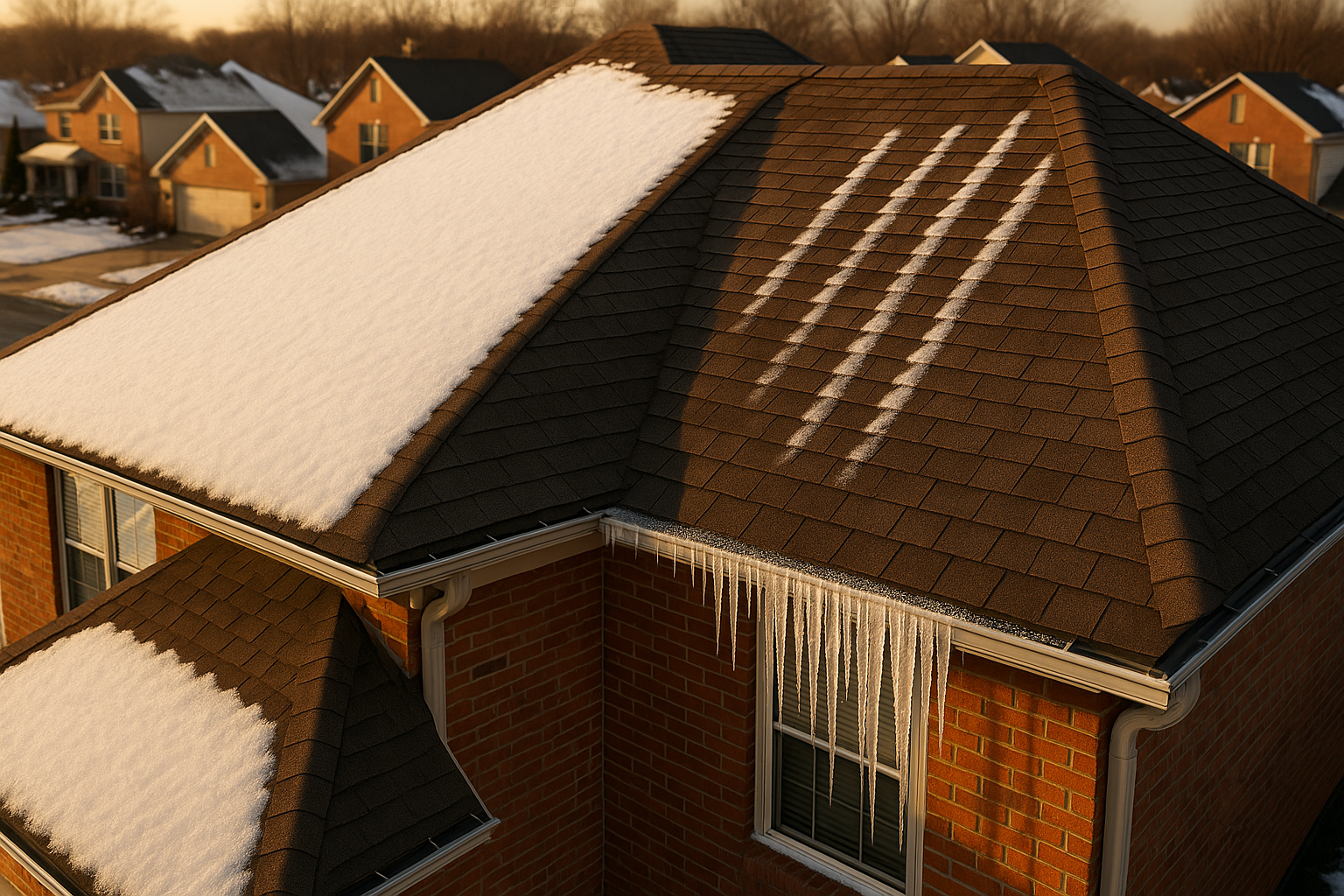
If your house sits under big oaks or maples, you’ve seen the black streaks on older roofs. That’s algae, and it loves shade and humidity—basically Avon in July. Algae resistant shingles Midwest have copper or zinc granules embedded in them to stop that growth. They aren’t an upsell; they’re what we spec for most tree-lined properties because nobody wants a five-year-old roof that looks like a science experiment. And while we’re at it, let’s talk about dark shingles and heat. Do darker colors absorb more sun? Sure. But if your attic is vented right, that heat isn’t cooking your sheathing. We wrote a whole piece on roof ventilation in Indiana that explains why balanced intake and exhaust is non-negotiable. For freeze–thaw cycles and ice dams, quality ice/water barrier along the eaves and in valleys stops leaks before they start—another item we never skip.
Getting the Most Years Out of Your Roof (and Warranty)
The asphalt shingle lifespan comparison numbers you see online can be misleading. A 3-tab might say 20 years, but in Avon you’re lucky to get 12 without issues. Architectural shingles can hit 30 years if: (1) you do a full tear-off so the deck is solid, (2) you use synthetic underlayment instead of old-school felt, and (3) your attic isn’t a sauna. That last one kills more shingles early than hail does. On the warranty side, those “limited lifetime” promises from manufacturers don’t cover everything—they usually drop to prorated after 10 years, and they exclude damage from poor ventilation, improper nailing, or installing over old shingles. Which is exactly why we recommend a full tear-off every time, not an overlay. An overlay might save a few grand now, but it traps heat, hides rot, and voids most manufacturer warranties. If you’re spending money on a new roof, do it right. For more on what a thorough inspection looks like, check out this guide to roof inspections.
Making the Right Investment for Your Avon Home
So what’s the bottom line? For almost every house in Avon, a high-quality architectural shingle with a Class 4 impact rating and algae resistance is the value leader. It’ll stand up to hail, look great, and cost significantly less than designer. If you’re in a neighborhood with strict HOA rules on color, we can bring samples and spec sheets to help you get approval fast. We carry cool-color options that reflect a bit more sunlight without making your roof look like a spaceship. And if a storm does come through, our team can document everything for your insurance—we’ve helped plenty of homeowners in Fishers and Avon navigate those claims after big hail events. Learn more about that process in our post on storm damage roof inspections.
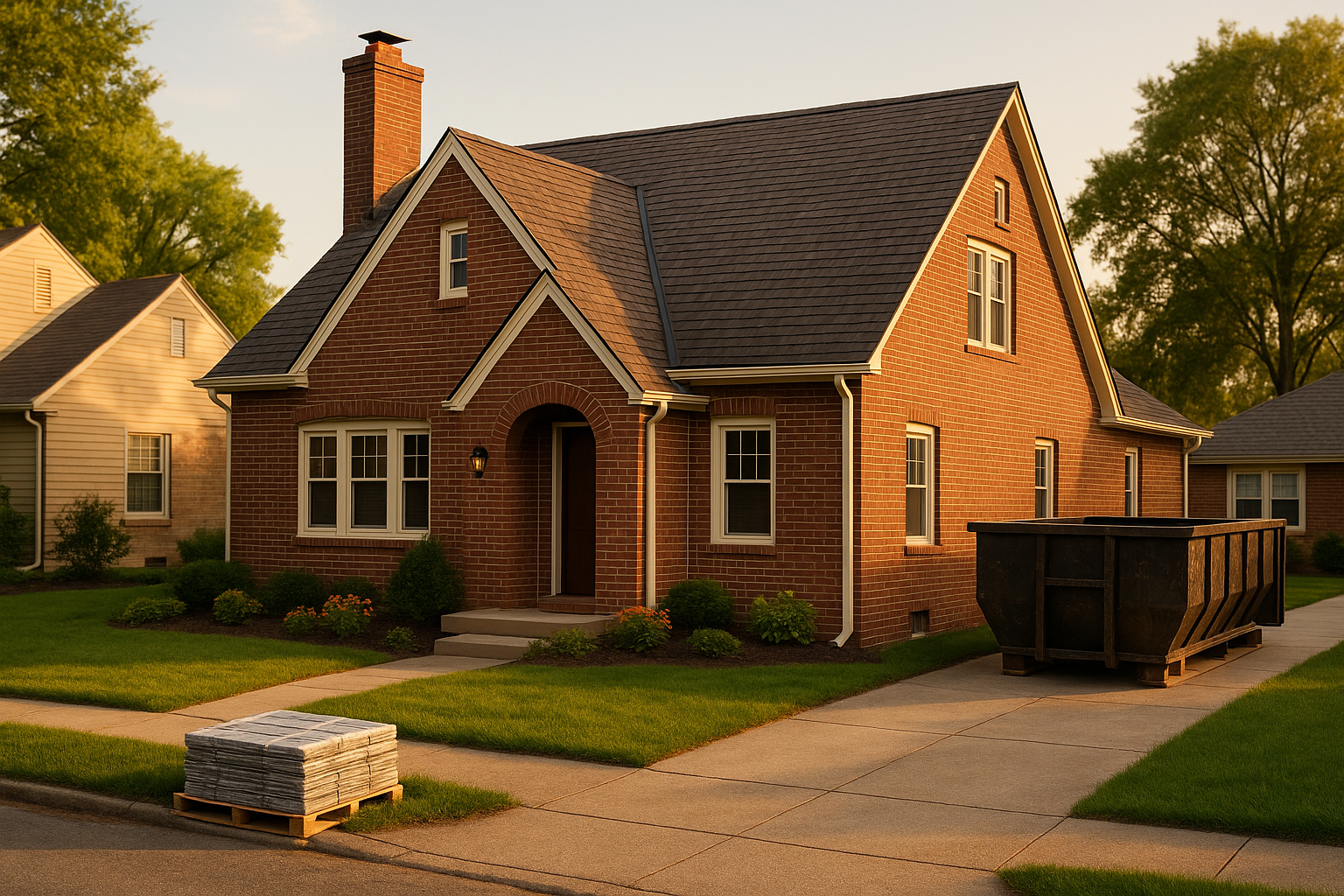
If you’re still scratching your head about which shingle to pick, that’s exactly what our planning-first assessment is for. We’ll come out to your Avon home, take photos, check your attic, and set up side-by-side shingle samples right on your driveway so you can see them in natural light. No pressure, just honest advice and a line-item proposal that spells out materials, scope, and timeline. Ready to stop guessing? Schedule your assessment here and let’s get your roof ready for whatever Indiana throws at it.
Ready for a free roof assessment?
We climb the roof, photograph the damage, and give you an honest read — no pressure, no upsell.