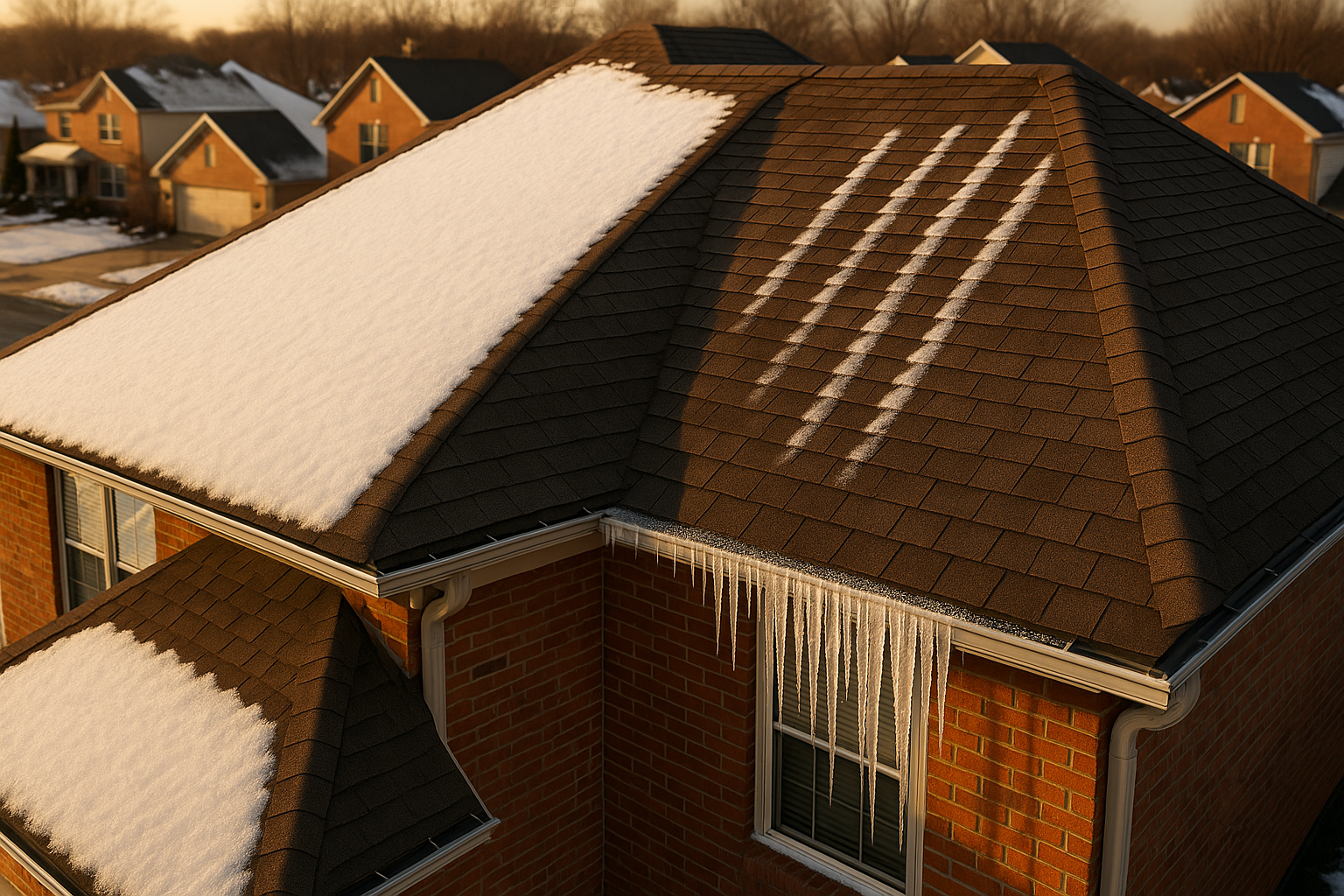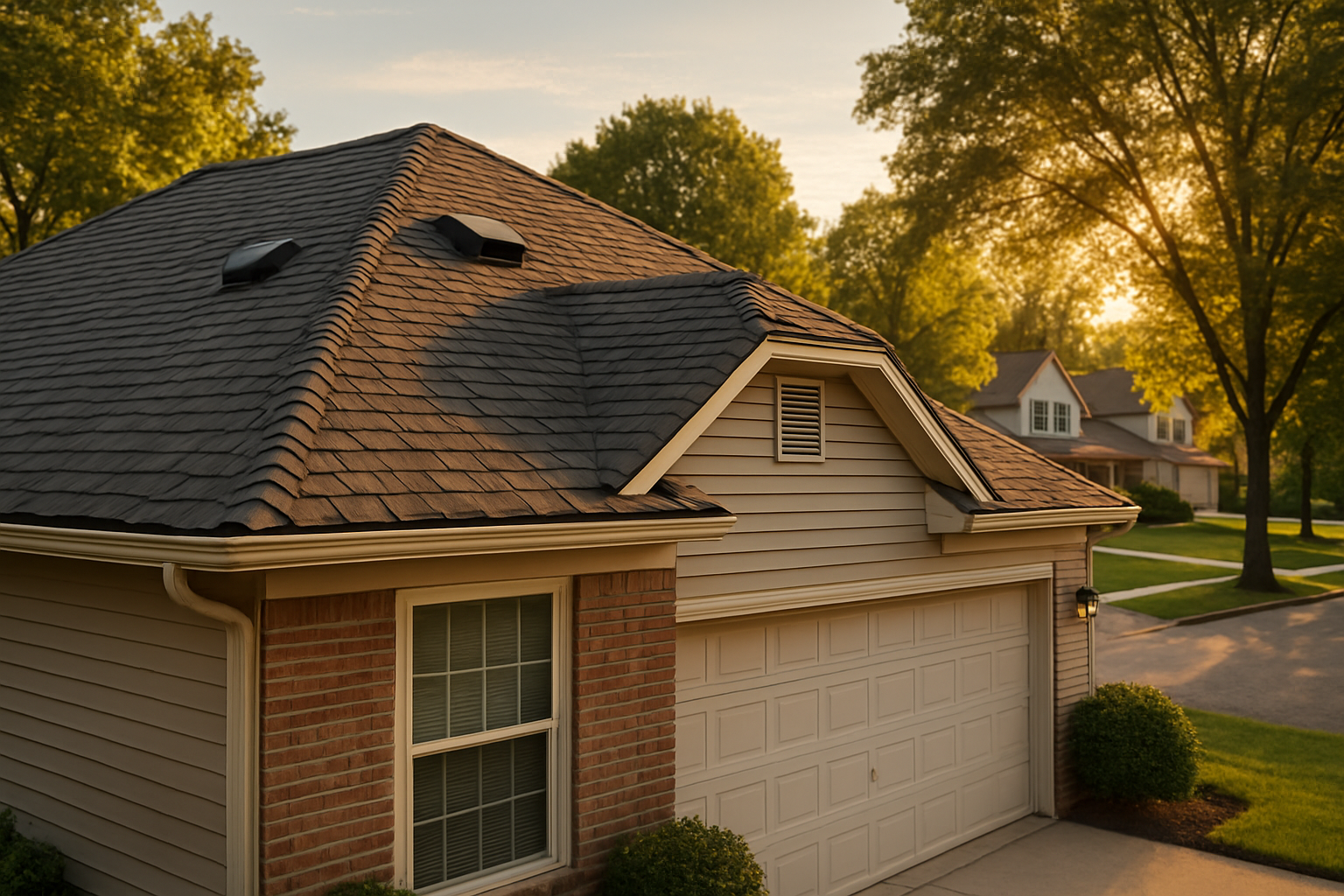
When Mike first noticed a faint musty smell upstairs, he chalked it up to the humid Zionsville summer. Then shingles started curling near the edges, and a frosty nail pattern showed up on the roof deck during that January cold snap. An attic inspection revealed mold growing on the underside of the sheathing — his gable vent wasn't moving enough air. "I thought any vent was enough," he said. It's a story we hear all the time: homeowners think their roof is fine until hidden moisture does the talking. That's why roof ventilation Indiana attic conversations need to happen long before you spot damage.
How Attic Ventilation Works (and Why Indiana Makes It Tricky)
Your attic needs to breathe, plain and simple. The idea is to pull cooler, drier outside air in near the eaves and push hot, moist air out near the peak. That's your intake and exhaust, working together like a pair of lungs. In Indiana, we've got steamy summers that pump moisture into attics and freezing winters that turn that moisture into trouble — think frost that melts and later causes rot, or ice dams that send water backing up under shingles. Without a good balance, you're basically cooking your roof from the inside out.
The 1:300 rule is the baseline most roofers use: for every 300 square feet of attic floor, you need 1 square foot of net free area (NFA) split between intake and exhaust. If you don't have a vapor retarder rated Class I or II, it drops to 1:150. That's not just a suggestion — it's code in places like Boone County and around Indy, and shingle manufacturers insist on it for their warranties. At RoofPros, we calculate NFA for every roof we replace, so you're not guessing.
Intake vs. Exhaust: You Need Both
Think of it like a campfire — you need air coming in at the bottom to feed the fire, and an opening at the top to let smoke out. Intake vents, usually soffit vents under the eaves, bring air in. Exhaust vents — ridge vents, box vents, or gable vents — let it out up high. The key is that they need to work together, not against each other. If you slap a powered fan on one gable and a ridge vent on the other, they'll fight for air and end up pulling conditioned air from your house through ceiling leaks. That's a fast way to spike your energy bills and still have a wet attic.
Common Ventilation Failures We Find Around Zionsville
I can't tell you how many attics we've crawled through where the soffits are painted shut, the insulation is jammed right up into the eaves blocking all airflow, or a bath fan is just dumping steam straight into the attic. In older neighborhoods like Stonegate or The Willows, it's the classic "painted-over aluminum soffit" story — looks fine from the ground, but zero air gets through. Tree-lined lots in Boone County are beautiful, but maple seeds and pollen can clog up ridge vents and soffits without anyone noticing. And if you've got a hip roof, that's even trickier because you've got less ridge line to work with for exhaust. We often see homes with only gable vents that just don't cut it during a humid Zionsville summer, leaving the attic so hot you could fry an egg on the floor.
Even if you have soffit vents, blocked insulation is a silent killer. We find insulation crews regularly stuff baffles or simply ignore them. Baffles are those chutes that keep insulation back from the roof deck so air can flow. Without them, your intake is essentially a wall of fiberglass. A quick way to check: go into the attic on a sunny day, turn off the lights, and see if you can spot daylight at the soffit edges. No light? No air.
The Right Time to Fix Ventilation (and How RoofPros Does It)
A roof replacement is your golden opportunity to get ventilation right. We don't just tear off old shingles and call it a day — we look at your whole attic system. Here's our process:
- Inspection first: We check every vent, the insulation, air sealing, and any signs of moisture. We'll crawl around so you don't have to.
- NFA calculations: We measure your attic floor and figure out exactly how much intake and exhaust you need using the 1:300 (or 1:150) rule.
- Written scope and drawing: You get a clear plan showing where vents go and why. No surprises.
- Installation: We use continuous soffit vents or something like SmartVent (a drip-edge intake) when soffits are limited, and baffled ridge vents along every peak and hip we can. Baffled ridge vents are great because they block rain, snow, and bugs better than the old open style. Short of that, box vents can work on sections without a ridge.
- Cleanup and final check: Everything gets cleaned up, and we make sure the air path is clear from intake to exhaust.
If you own an older home that's had spray foam applied directly to the roof deck, that's a whole different beast — an unvented assembly. In that case, you do not add vents, period. It's designed to be sealed and conditioned. Putting vents in would introduce moisture from outside and mess up the entire system. If you're not sure what you have, call us — we can tell you in about two minutes.
Won't This Make My House Colder in Winter?
Nope. Proper attic ventilation doesn't make your house colder because your insulated ceiling should be the thermal boundary. If the attic is cold in winter, that's actually good — it means your insulation is keeping the heat in your living space where it belongs. A warm attic in winter is a red flag for heat loss and ice dams later. Plus, a well-vented attic keeps the roof deck cold, which prevents snow melt and refreeze at the eaves. So you're not losing heat; you're protecting your roof.
Does All This Affect My Shingle Warranty?
You bet it does. Every major shingle manufacturer — GAF, Owens Corning, CertainTeed — requires a balanced ventilation system for their full warranty to be valid. If they send an inspector out and find your soffits are blocked or you've got competing vent types, they can deny a claim. We've seen it happen. That's why RoofPros always specs baffled ridge vents, corrosion-resistant fasteners, and durable intake materials. It's not about upselling you; it's about making sure your roof lasts as long as it should. For more on roof replacement in general, check out our guide on how long a roof lasts in Indiana.
And by the way, metal roofs still need ventilation too. The concept's the same, though you might use a low-profile ridge vent designed for standing seam panels. The air flow helps keep the underside of the metal dry and cool, extending its life. There's a myth that metal roofs don't need it, but in Indiana's humidity, they absolutely do.
Seasonal Checks You Can Do Yourself
You don't need to be a pro to keep an eye on things. In fall, after the leaves drop, take a stroll around your house and look at the soffits — are they clear, or are they plastered with gunk? In winter, if you see frost on the roof nails in the attic, that's a sign of warm, moist air hitting cold metal and freezing. That moisture shouldn't be there. Come spring, a musty odor or wavy shingles on the north side might mean your ventilation isn't cutting it. If you spot any of these, don't wait. We've seen homes in Westfield and Fishers where a few hundred bucks of ventilation work during a roof replacement saved tens of thousands in sheathing replacement later.
One last thing: if you have a bath fan that vents into the attic instead of outdoors, fix that ASAP. That's just dumping hot, wet air into a space that's already struggling. Same with dryer vents. It's illegal per code, and it's a mold factory. During a roof replacement, we reroute those to the outside as part of our standard scope.
Ready to Get Your Attic Breathing Right?
Ventilation upgrades aren't a massive line item during a roof replacement — often just a few extra hours of labor and some materials — but they make a night-and-day difference in how your roof performs and how long it lasts. If you're planning a replacement, or if you've been wondering why your attic feels like a sauna in summer, let's talk. Hit our quote form to schedule a ventilation-focused evaluation. We'll come out to your Zionsville-area home, do our inspection and NFA math, and give you a straight-shooting quote with no surprises. Because a solid roof starts with the air around it.
Ready for a free roof assessment?
We climb the roof, photograph the damage, and give you an honest read — no pressure, no upsell.