Comparing asphalt vs metal roofing is one of the biggest decisions you’ll make for your Indianapolis home. RoofPros takes a planning‑first approach: we measure, inspect your attic and decking, consider local weather and neighborhood guidelines, and build a clear scope so you can see side‑by‑side options—no guesswork, no surprises.
A quick, local comparison
- Cost: Asphalt is the lower upfront investment; standing seam metal costs more initially but often less over a multi‑decade horizon. For ballpark ranges and line items, see our local guides for metal roof pricing and asphalt shingle pricing.
- Lifespan: In Indianapolis, quality asphalt shingles typically serve 18–25 years with proper ventilation and maintenance; a standing seam metal roof can serve 40–60 years when installed to spec.
- Storm resilience: Class 4 impact‑rated shingles and thicker‑gauge metal both improve hail performance. Metal resists puncture; certain hail can leave cosmetic dents. High‑wind ratings exist for both; secure installation is key.
- Curb appeal: Asphalt offers a wide palette and classic profiles. Metal (matte, low‑gloss finishes) delivers crisp lines and premium presence—popular in dark bronze and charcoal with local brick and siding.
How Central Indiana weather changes the equation
Indianapolis sees spring hail, strong winds, humid summers, tree shade, and winter freeze–thaw. Those conditions stress materials and installation details:
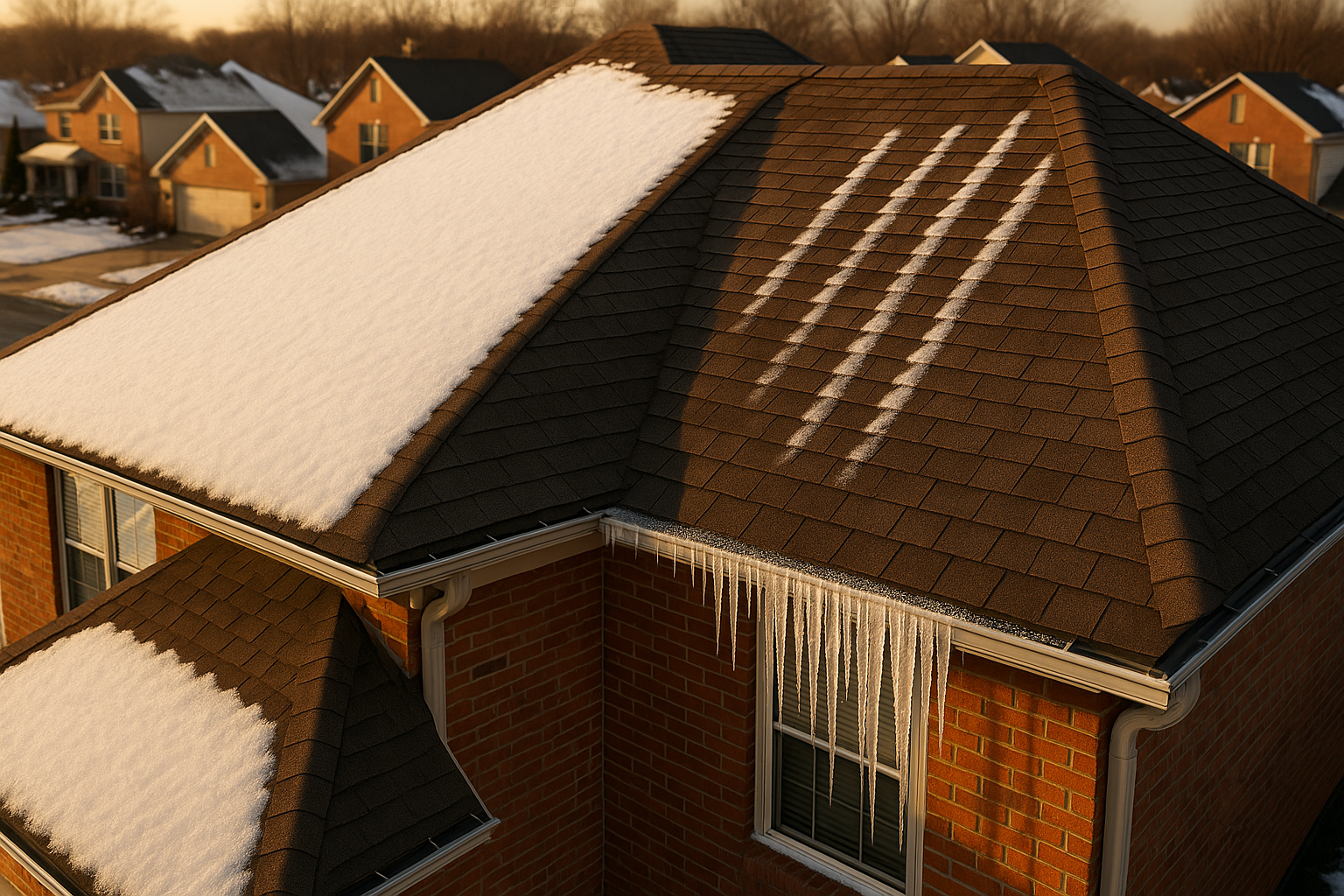
- Freeze–thaw cycles: Expansion/contraction tests sealants, flashing laps, and fasteners. Standing seam with concealed fasteners minimizes exposed points; asphalt relies on well‑sealed flashing and quality underlayment.
- Hail: Class 4 asphalt mitigates granule loss and bruising; thicker‑gauge metal resists penetration but may dent depending on hail size and alloy. Insurers may treat cosmetic dents differently from functional damage—policy dependent.
- Heat and sun: Reflective “cool roof” metal colors can reduce heat gain. On asphalt, modern lighter or cool‑rated shingle colors help. In both cases, balanced attic ventilation matters more than material alone.
- Shade and algae: Tree cover in areas like Meridian‑Kessler and Broad Ripple can cause algae staining on shingles; algae‑resistant granules help. Metal sheds growth more easily but still needs seasonal rinsing.
Lifespan reality in Indianapolis
- Asphalt shingles: Expect 18–25 years when properly installed over solid decking with balanced intake and ridge ventilation. Early aging comes from poor ventilation, inadequate ice & water shield at eaves/valleys, and repeated hail.
- Standing seam metal: 40–60 years when using quality panels (Galvalume or galvanized steel with a Kynar 500 finish), precise flashing, and proper underlayment. Longevity depends on gauge, finish, and detailing around penetrations.
To understand how your existing attic conditions and roof geometry affect service life, review our local explainer on how long roofs last in Indianapolis.
Total cost of ownership: not just the price today
- Upfront: Asphalt is typically the budget‑friendlier install. Metal costs more initially due to custom fabrication, trim, and specialized labor.
- Maintenance and repairs: Asphalt may need periodic repairs after wind/hail; metal usually needs fewer repairs but may require occasional sealant checks at complex flashings.
- Utility and comfort: Cool‑finish metal and improved attic ventilation can lower summer heat load. Savings vary by home and attic design.
- Insurance and resale: Some policies offer consideration for Class 4 impact‑rated shingles or thicker‑gauge metal. Resale value can benefit from a documented, long‑life roof and transferable workmanship/manufacturer coverage.
Storm performance: hail, wind, and water
- Hail: Class 4 impact‑rated asphalt shingles are engineered to reduce granule loss and bruising. With metal, denting is mostly cosmetic but can impact appearance; thicker gauges and striations reduce visible oil‑canning and dents.
- Wind: Both systems can achieve high wind ratings when installed per manufacturer specs. For asphalt, correct nail placement and starter/edge details matter. For metal, clip spacing, panel anchoring, and hemmed eaves are critical.
- Water management: Ice & water shield at eaves and valleys is standard best practice in Indiana. Proper ridge/valley detailing and step‑flashing keep wind‑driven rain out of vulnerable transitions.
Energy, comfort, and common myths
- Reflectivity: Energy performance comes from a system—cool roof colors, continuous intake and ridge ventilation, and proper underlayment—more than material alone. Metal offers strong reflectivity options; asphalt has cool‑rated selections too.
- Noise myth: With modern assemblies (solid decking, underlayment, attic insulation), a standing seam metal roof is no louder in rain or hail than asphalt.
- Lightning myth: Roof material does not attract lightning. Proper grounding of the home’s electrical system and adherence to code is what matters.
Aesthetics, HOAs, and neighborhood fit
- Profiles and colors: Matte/low‑gloss metal in dark bronze or charcoal pairs well with Indy brick. Asphalt “weathered wood” and architectural profiles remain classics.
- HOAs: Many subdivisions in Avon, Plainfield, Fishers, and Greenwood have architectural guidelines. We help you navigate submittals, profiles, and finish specs to avoid re‑submittals and delays.
- Historic districts: Some areas may require specific shingle profiles or muted metal colors. Early planning avoids unnecessary redesign.
Roof design fit: when each material excels
- Simple gables and long, clean planes: Standing seam shines—fewer penetrations make for elegant lines and strong performance.
- Complex roofs with multiple valleys and penetrations: Asphalt may be more cost‑effective and visually forgiving at details.
- Pitch: Typical 4/12–8/12 pitches in Indianapolis accommodate both. Very low slopes may favor mechanically seamed metal solutions; very steep slopes increase safety and staging needs for either system.
- Panel types: Standing seam (concealed fasteners) outperforms exposed fastener ribbed panels on long‑term watertightness and maintenance.
Installation approach and timeline in Indy
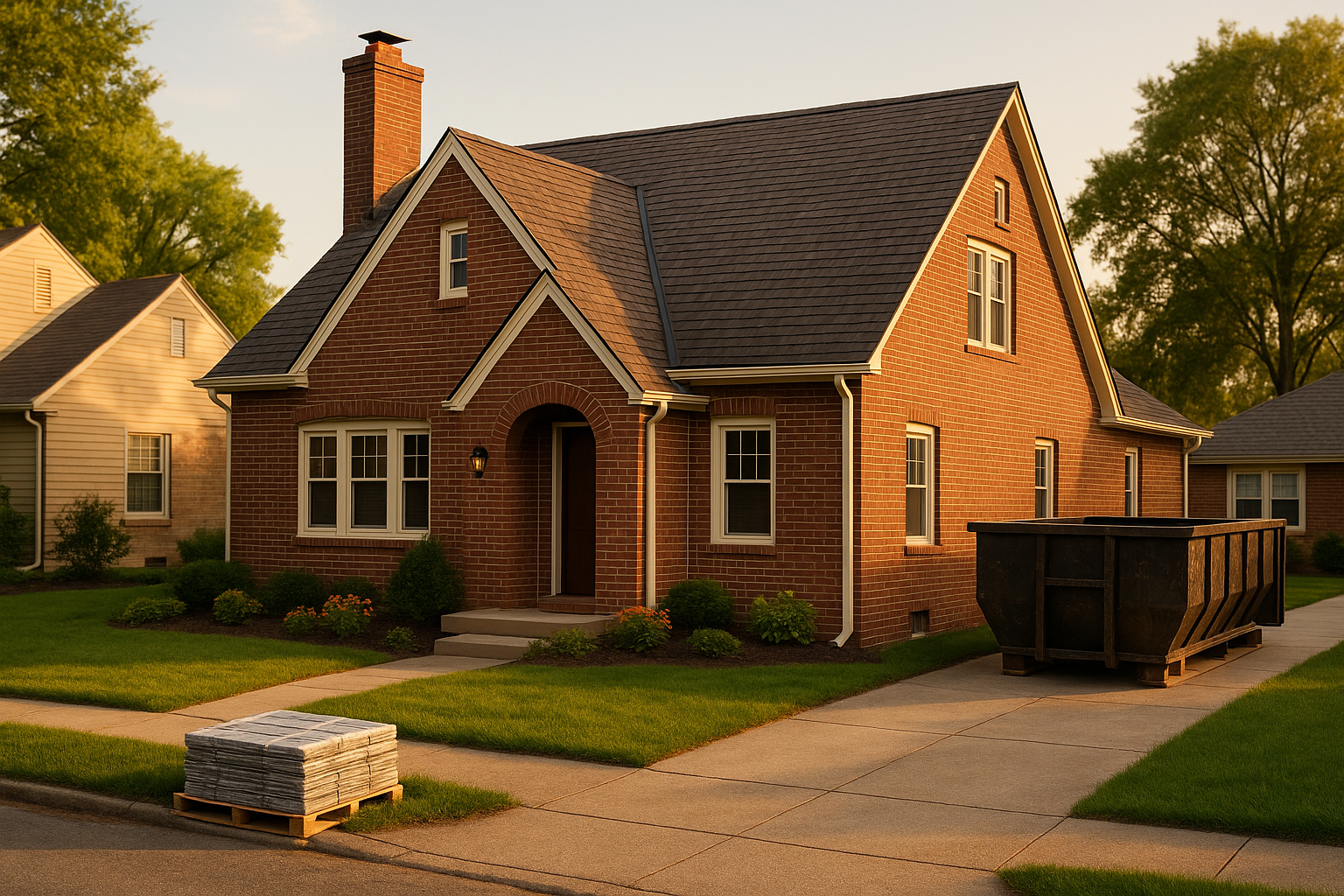
- Tear‑off vs overlay: We strongly recommend full tear‑off. It allows inspection of OSB/plywood, replacement of soft decking, and proper installation of ice & water shield at eaves/valleys. Overlays trap heat and hide problems.
- Timeline: Asphalt replacements typically take 1–3 days on average homes. Standing seam metal can run 3–5+ days due to fabrication and trim.
- Seasonality: Winter installs are feasible with temperature‑aware adhesives, selective scheduling, and proper fastener practices.
For budgeting and sequencing, read our guide to roof replacement costs in Indianapolis.
Moisture control: where roofs win or fail
- Eave protection: Self‑adhered ice & water shield at eaves helps prevent ice dam leaks, especially on low to moderate pitches.
- Valleys and penetrations: Metal W‑valleys or well‑lapped shingle valleys, plus tight step‑flashing at chimneys/sidewalls, are non‑negotiable.
- Ventilation: Balanced intake (soffits) and exhaust (ridge vent) reduce moisture, prevent deck rot, and maintain manufacturer warranty conditions.
Maintenance in Indianapolis
- Asphalt: Keep gutters clear, manage tree debris, and consider algae‑resistant shingles under heavy shade. Inspect after major wind/hail for lifted or creased tabs.
- Metal: Rinse debris, check sealant at complex flashings over time, and consider discreet snow guards above walkways. Concealed fastener systems reduce long‑term tightening.
- Gutters and accessories: Upgrading to 6" gutters under tree cover and ensuring kick‑out flashing at sidewalls prevents siding and foundation issues.
Warranties that matter
- Manufacturer vs workmanship: Know the difference. Proper ventilation, underlayment, and installation to spec are common requirements for coverage.
- Finish warranties (metal): Look for reputable coil coatings (e.g., Kynar 500) and understand what’s covered—fade, chalk, or film integrity.
- What voids coverage: Poor ventilation, improper fasteners, and unapproved components can jeopardize protection.
Budget planning and how to compare bids
- Ask for apples‑to‑apples: Decking repairs per sheet price, underlayment type, linear feet of ice & water shield, ventilation upgrades, and flashing scope.
- Panel/shingle specifics: For metal—gauge, seam height, clip spacing, and finish system. For asphalt—impact rating, wind rating, and algae resistance.
- Side‑by‑side quote: We routinely provide matched scopes so you can evaluate “metal roof vs shingle cost in Indianapolis” with clarity.
To explore line‑item costs and tradeoffs, see both metal roof costs and asphalt shingle costs.
When to choose each in Indianapolis
Choose asphalt shingles if: - You want the lowest upfront cost with solid 18–25‑year performance. - Your roof has complex geometry and multiple penetrations where metal detailing would add significant cost. - Your HOA or historic guidelines limit metal profiles or colors.
Choose standing seam metal if: - You plan to stay long‑term and value 40–60‑year durability. - Your roof has simple planes and you want premium, crisp curb appeal. - You’re prioritizing high wind resistance and reduced maintenance over decades.
FAQs: clear answers for Indy homeowners
Is a metal roof too loud during Indianapolis thunderstorms?
No. Over solid decking with underlayment and attic insulation, metal is comparable to asphalt in sound levels.
Does a metal roof attract lightning compared to asphalt shingles?
No. Roofing material does not attract lightning. Code‑compliant electrical grounding and overall home protection are what matter.
Which holds up better to hail and high winds in Central Indiana?
Both can perform well when specified correctly. Class 4 asphalt reduces hail damage; thicker‑gauge standing seam resists puncture but can dent cosmetically. Proper installation drives wind performance for both.
How long do asphalt shingles really last in Indianapolis?
Typically 18–25 years with proper ventilation, underlayment, and maintenance. Hail events and poor attic airflow shorten that range.
Can a metal roof be installed over existing shingles here?
It’s possible, but we recommend full tear‑off to inspect decking, fix hidden issues, and install continuous ice & water shield and ventilation that overlays can’t address.
Will my HOA allow a standing seam metal roof in my neighborhood?
Many do, some don’t. We help confirm guidelines, provide finish samples, and prepare submittals to streamline approvals.
Do I need snow guards on a metal roof in Indy’s winters?
Often above entryways, garage doors, or walkways to manage sliding snow/ice. Placement is planned with panel layout and gutter capacity.
What underlayment and ventilation do you recommend to prevent ice dams?
Self‑adhered ice & water shield at eaves/valleys, synthetic underlayment, and balanced intake/ridge ventilation per manufacturer specs.
Your next step with RoofPros
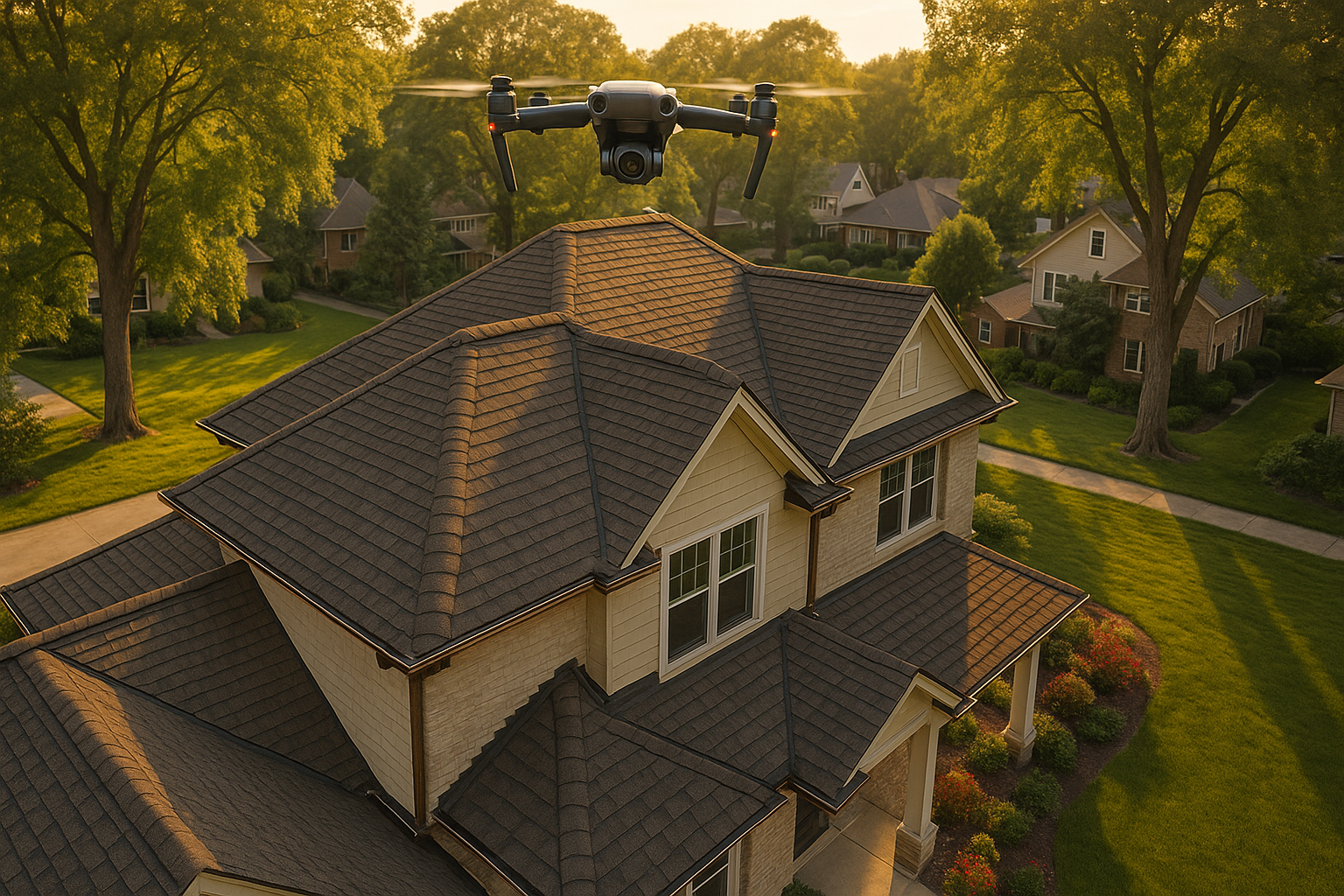
If you’re 3–12 months from replacement, a planning‑first consult clarifies the choice. We inspect your attic, measure the roof, confirm ventilation needs, and deliver a clean, side‑by‑side scope comparing asphalt shingles vs standing seam metal, complete with color/finish guidance and a realistic schedule.
Get a Free Deck Consultation via our quote form for an apples‑to‑apples comparison tailored to your Indianapolis home. Start here: Request your side‑by‑side quote.
Prefer to gather numbers first? Explore our full roof replacement cost guide for Indianapolis, then circle back for a scoped proposal built around your home and neighborhood guidelines.
Ready for a free roof assessment?
We climb the roof, photograph the damage, and give you an honest read — no pressure, no upsell.