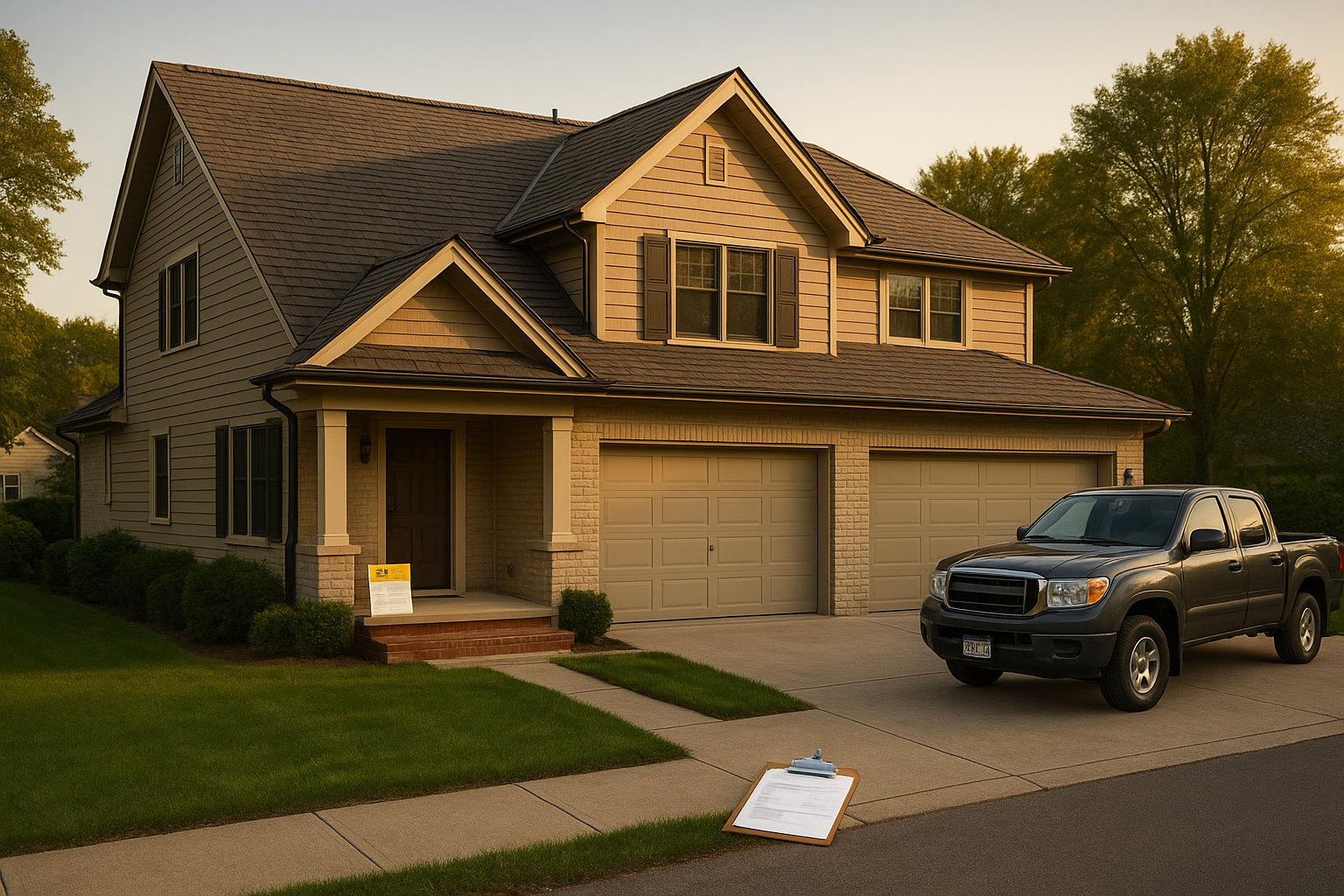
Last spring, my neighbor Mark came home to water dripping through his kitchen light fixture. The storm that blew through Indianapolis the night before peeled back a section of shingles, and now the ceiling was sagging. He called his insurance, got a claim started, and was ready to replace the roof within the week. Then his HOA management company sent him a polite email: “All exterior modifications require Architectural Review Committee approval. Please submit your application 30 days prior to any work.” Mark’s heart sank. He had no idea. He thought roof replacements were a simple repair.
For many homeowners in Central Indiana, the HOA approval process can feel like a roadblock. But it doesn’t have to be. With a little planning, you can get your new roof approved without slowing down the project.
Why HOA Roof Approval Exists (and Why It’s Not a Bad Thing)
Most HOAs in Indianapolis, Carmel, Fishers, Zionsville, and other suburbs have design standards to keep the neighborhood looking cohesive. The Architectural Review Committee (ARC) reviews roof replacements to make sure the materials, colors, and installation details match the community’s style. Sure, it feels like one more hoop to jump through, but these rules prevent a patchwork of mismatched roofs that can hurt curb appeal and resale value. If your HOA requires approved colors or shingle types, it’s usually because a past board learned the hard way that a fluorescent orange roof doesn’t age well next to earth tones.
What to Look for in Your HOA’s Roofing Guidelines
Before you even call a roofing company, grab your HOA documents—specifically the CC&Rs (Covenants, Conditions, and Restrictions) and any ARC guidelines. These spell out what’s allowed. Common restrictions in Indianapolis-area HOAs include:
- Shingle type: Most require architectural shingles, not basic 3-tab. Some allow metal roofing, but you’ll often need a specific profile like standing seam with a low-gloss finish.
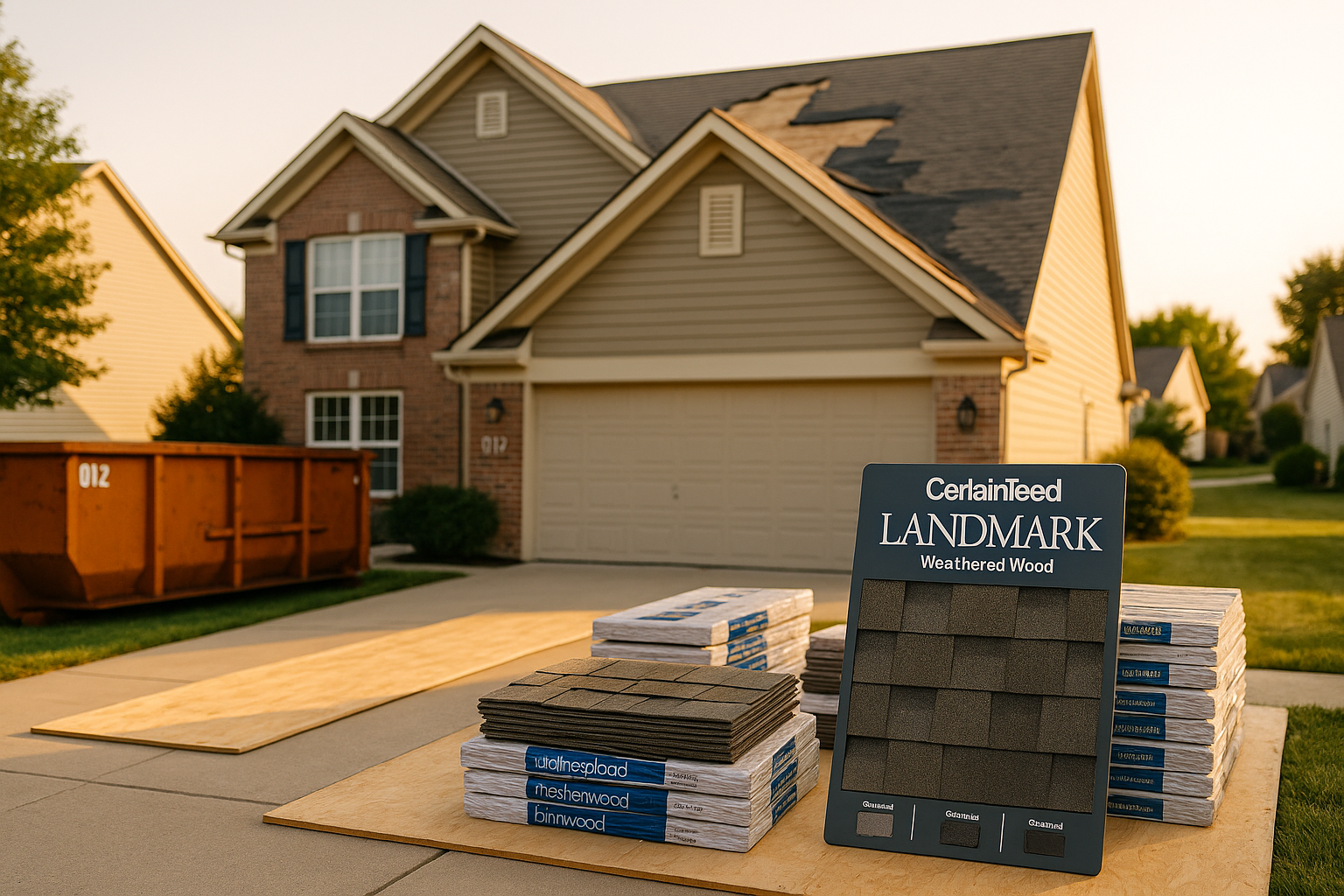
- Color palette: HOAs often list approved manufacturer color names. In Central Indiana, earth tones—Weathered Wood, Driftwood, Charcoal—are popular. Physical samples are your friend; a photo on your phone might not render the color accurately.
- Underlayment and ice barrier: Indiana’s freeze-thaw cycles and wind-driven rain mean you’ll want a proper ice and water shield at eaves and valleys. Many HOAs require it to be code-plus, which is smart anyway.
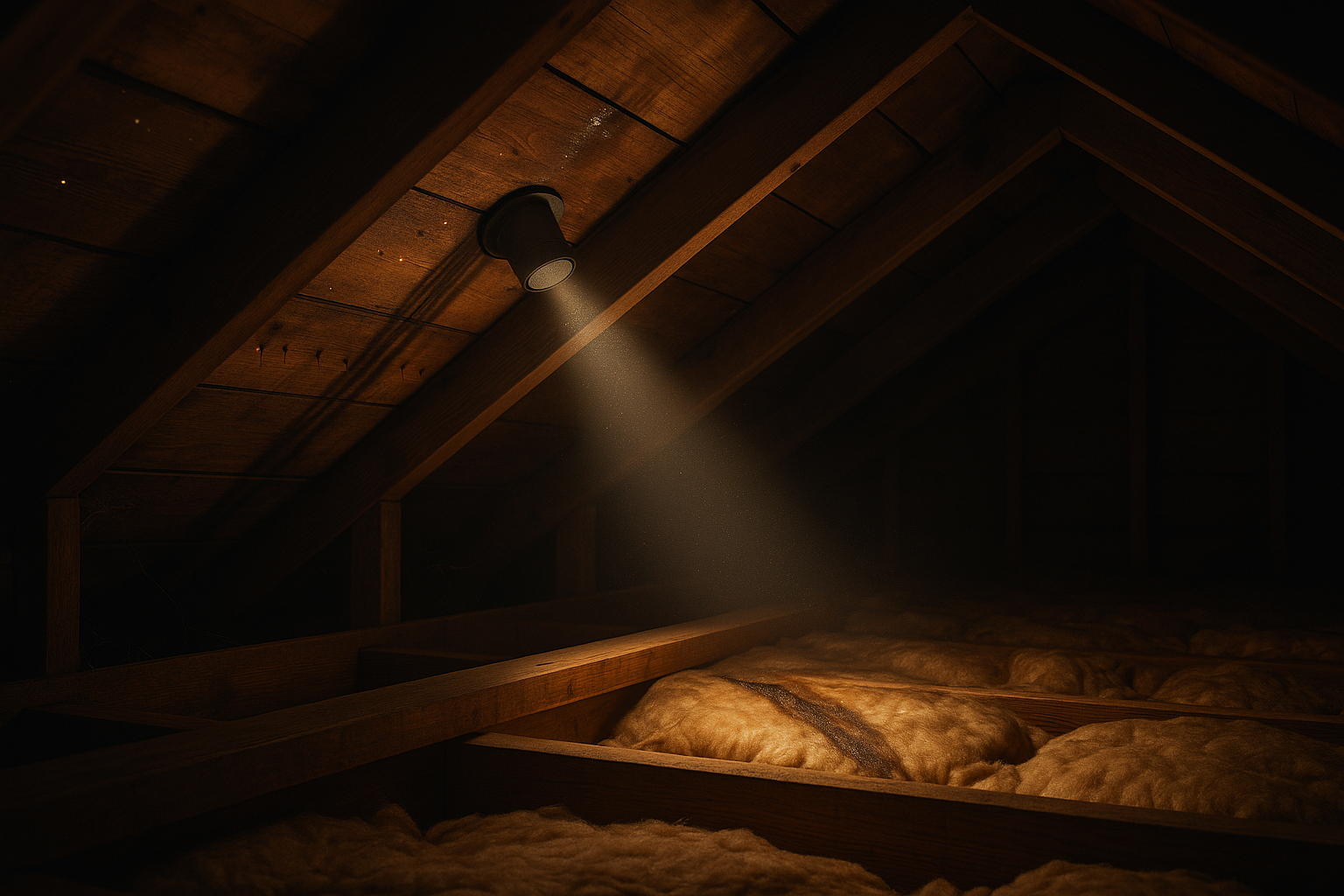
- Ventilation: Ridge and soffit vents need to match the roof profile. Some ARC committees ask for a ventilation diagram.
- Flashing and trim: Details around chimneys, skylights, and valleys must be consistent with the existing style.
How to Build an HOA-Ready Roofing Submittal
A half-baked application is the fastest way to delays. The ARC meets once a month or every other week in many Indy neighborhoods, so if they table your request for missing info, you lose another cycle. Here’s what a solid submittal includes:
- Scope of work: A simple description of the replacement, including tear-off and new installation.
- Product cut sheets: Manufacturer data sheets for shingles, underlayment, ridge cap, and any specialty materials. These list technical details like wind rating and fire class.
- Color samples: Exact manufacturer color name and code. Bring a physical board from your contractor.
- Site plan: Where the dumpster will sit, how you’ll protect the driveway (plywood under dumpster is standard), and material staging. Small lots in places like Broad Ripple or Meridian-Kessler demand careful logistics.
- Contractor info: License, insurance certificate (some HOAs want to be named as additional insured), and warranty details. RoofPros always provides a certificate of insurance that lists the HOA if needed—something we handle early.
- Timeline: Proposed start date, working hours (usually 7am-6pm, but check local noise rules), and estimated completion.
Avoid These Common Submittal Mistakes
- Forgetting the exact color name. “Gray” isn’t enough—you need “CertainTeed Landmark Driftwood.”
- Skipping the ventilation plan. Even a note like “ridge vent with continuous soffit intake” helps.
- No dumpster or parking details. If the committee worries about street congestion, they’ll send it back.
- Not checking Indianapolis permit requirements. Full replacements often need a permit. (See our guide on roofing permits in Indianapolis.) Get that lined up so you aren’t stuck waiting after HOA green light.
When an Emergency Hits Before HOA Approval
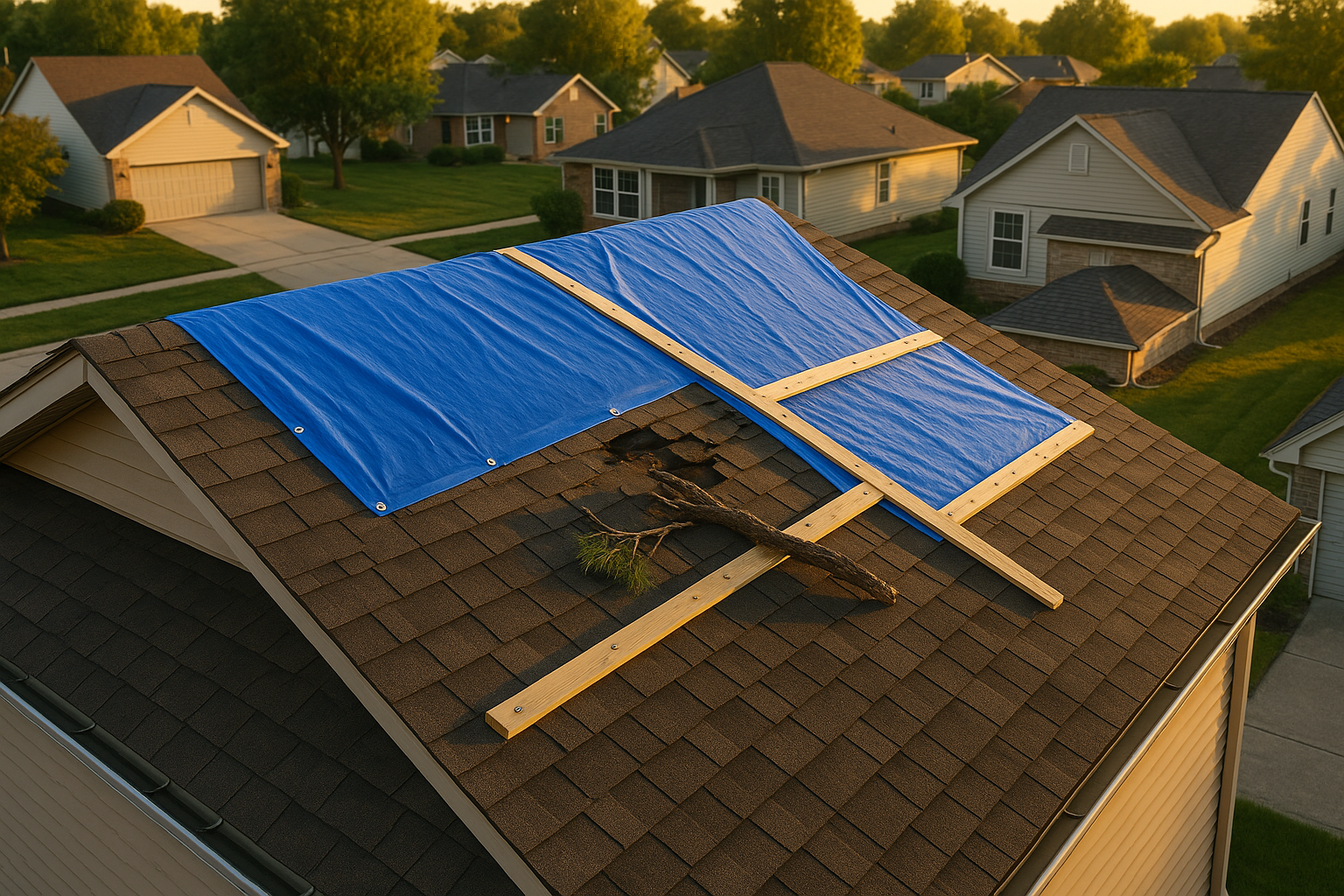
What if you’re in Mark’s shoes—water pouring in? HOAs can’t force you to let your home get damaged. For active leaks, most ARC committees allow temporary emergency tarping while you pursue full approval. Send a quick email with photos and request written authorization. RoofPros can install a heavy-duty tarp in a few hours, and we’ll document everything so you’re covered. (More on that in our post about emergency roof tarping in Indianapolis.) Once the leak is stopped, you submit the full ARC application for the permanent fix.
Insurance Claims and HOA Alignment
If storm damage started this process, you’re balancing an insurance claim with HOA rules. The adjuster’s scope might not mention HOA-required items like upgraded underlayment or a specific color. Compare the estimate with your ARC guidelines before signing anything. Sometimes you can get insurance to cover like-kind materials that match HOA standards. If you want a different color than what’s up there now, be ready to explain why and show samples. RoofPros helps align the insurance scope and the HOA submittal—flagging anything that could cause a denial. For more help, read our homeowners insurance roof claim tips.
How RoofPros Makes HOA Approval Almost Invisible
We work in HOA communities all over Central Indiana—Zionsville, Greenwood, Avon, Plainfield, you name it. When you call RoofPros, we assemble a complete HOA packet: product specs, scope, site logistics plan, and insurance paperwork. We coordinate permit timing and can even phone into the ARC meeting to answer questions. You pick a color from the approved options, and we handle the rest. If you’re feeling overwhelmed, a short planning call clears up most of the confusion. Request a free HOA-ready roof replacement proposal and you’ll wonder why you stressed so much.
Quick Answers for the Busy Homeowner
How long does HOA approval take? Usually 1–4 weeks, depending on meetings. Submit early.
Can I start before approval? No—that invites fines. Always get written OK.
What if my preferred roof is denied? Ask about variances or switch to a pre-approved color. Many Carmel and Fishers HOAs have lists.
Will RoofPros talk to my HOA? Absolutely. We send the submittal and manage follow-ups, keeping you copied.
Ready for a free roof assessment?
We climb the roof, photograph the damage, and give you an honest read — no pressure, no upsell.