Last spring, a buddy of mine in Plainfield stood in his driveway staring at his home’s west-facing wall, which had taken a beating over the years. The old vinyl siding was wavy from summer heat, and a couple of panels had cracked during a particularly rowdy hailstorm. He wanted to replace it all, but he was stuck between two options: upgrade to a thicker, insulated vinyl or make the jump to fiber cement—the stuff that looks like wood but, from what he’d heard, holds up like concrete. He asked me, “What’s gonna survive this Indiana freeze-thaw chaos better? And will my HOA let me pick a darker color?” It’s a question I get all the time from homeowners in Plainfield, Fishers, Carmel, and across the Indy metro. So let’s talk through the real differences between vinyl and fiber cement siding, and which one makes sense for your place.
The Weather Here Demands a Lot from Your Siding
Hendricks County weather doesn’t mess around. We get muggy summers that swell materials, frigid winters with freeze-thaw cycles that can make siding brittle, and spring storms that bring hail and gusty winds. I’ve seen vinyl panels warp on south-facing walls during a long stretch of 90-degree days, and I’ve watched improperly installed fiber cement wick moisture up from the ground when clearance wasn’t right. But both materials can handle these conditions if they’re put on correctly and matched to your home’s spot.
Fiber cement – made from cement, sand, and cellulose – is crazy stable in temperature swings. It doesn’t expand much, so it won’t ripple when the sun beats down. That’s a big deal for homes in Plainfield or Avon with full afternoon exposure. Vinyl, on the other hand, can grow and shrink with temperature changes. Good installers leave room for that movement with expansion gaps and properly placed fasteners, but cheaper jobs can end up looking wavy or popping nails.
Hail is another thing. Central Indiana sees its share of hailstorms, and while no siding is hail-proof, fiber cement’s density gives it an edge. A hailstone that dents vinyl might bounce right off a James Hardie plank. I’ve talked to adjusters who say they see fewer claims for fiber cement after a storm. That said, insulated vinyl with a heavy-gauge profile can also take a surprising beating, especially if you pick panels rated for impact resistance.
Vinyl vs Fiber Cement: The Real Differences
Looks You Won’t Get Tired Of
Curb appeal matters, and honestly, fiber cement just looks richer. It mimics wood grain so well that from the street you’d swear it’s painted cedar. You get deep shadow lines and crisp trim details—board-and-batten on a gable, for instance—that vinyl struggles to match. Vinyl lap panels tend to have a flatter, more plastic look, though premium lines now offer thicker panels and more texture. I’ve had clients in Zionsville who went with fiber cement on the front elevation and vinyl on the sides to stretch their budget, and the overall effect was sharp.
Color is another factor. Fiber cement with a ColorPlus finish (like James Hardie’s factory-applied coating) resists fading way better than site-painted alternatives. You might go 15 years before thinking about repainting. Vinyl colors are baked in, which means they won’t peel, but darker vinyl panels can fade unevenly on sunny walls. If you’ve got a south-facing house in Brownsburg and want a deep navy, fiber cement is probably the safer bet.
Upkeep Over the Years
Vinyl is the low-maintenance champ. A yearly wash with a soft brush and soapy water, check a few seams, and you’re good. Fiber cement asks a bit more. Even with a ColorPlus finish, you’ll need to repaint eventually—maybe in 12-15 years depending on sun exposure. If you go with a primed version and site-paint it yourself, the maintenance cycle shortens. I know a family in Greenwood who regrets painting their fiber cement too often because they didn’t prep well and the paint peeled early.
One thing I always remind folks: fiber cement’s fire resistance can’t be ignored. It’s non-combustible, which might lower your insurance premium, especially in neighborhoods with smaller lots. And critters—woodpeckers and carpenter bees love pecking at wood, but they ignore fiber cement and vinyl equally. So no worries there.
What About the Cost?
Okay, let’s get real about money. Yes, fiber cement costs more upfront. For a typical 2,000-square-foot, two-story home in Plainfield, you might pay 20-40% more for fiber cement compared to premium vinyl. That’s not just the material; the labor is more involved—installers need to cut and handle fiber cement with special tools, and they often add a drainage plane behind the siding to let the wall dry. That rain screen detail matters a ton in our humid summers, but it adds cost.
Vinyl installs faster, often without the need for a rain screen, and the material itself is lighter and cheaper to haul. Insulated vinyl siding, which has a foam backing glued to the panel, bumps up the R-value by a modest amount—maybe R-2 to R-3—which can help with thermal bridging but won’t transform your energy bill. Some folks swear by it for making the house feel less drafty, and in an older Plainfield home from the ’90s, that’s a nice bonus.
Over the long haul, factor in repainting costs for fiber cement. Even with ColorPlus, you’ll paint eventually. Vinyl just keeps on keeping on, though you might tire of the color or texture. Resale value? A well-done siding job of either variety helps, but fiber cement often turns more heads at open houses in the Indianapolis area. I’ve heard appraisers mention it as a premium feature.
Installation Details That Make or Break the Job
If you take one thing from this, make it this: the installer is way more important than the material brand. Around Plainfield, most full siding replacements need a permit, and the inspector will check housewrap and flashing details. A good crew will pull off the old siding and repair any rotted sheathing or dried-out housewrap before putting up the new stuff. They’ll integrate flashing around windows and doors so water doesn’t sneak behind the panels. For fiber cement, they’ll maintain a 6-inch clearance above the ground to keep moisture from wicking up. Skipping these steps turns a premium product into a headache within a few years.
HOA rules can throw a wrench in things too. Some communities in Plainfield and Fishers require approval for color and material changes. I’ve seen a homeowner pick a beautiful slate-gray fiber cement only to have the HOA reject it because it was “too dark” for the street scheme. Getting samples and checking early saves drama.
Winter installs are totally doable, but the crew needs to work within temperature windows for adhesives and painting. I’ve had jobs in Noblesville go through in February with no trouble when the sun came out for a few days.
So, Which One for Your Plainfield Home?
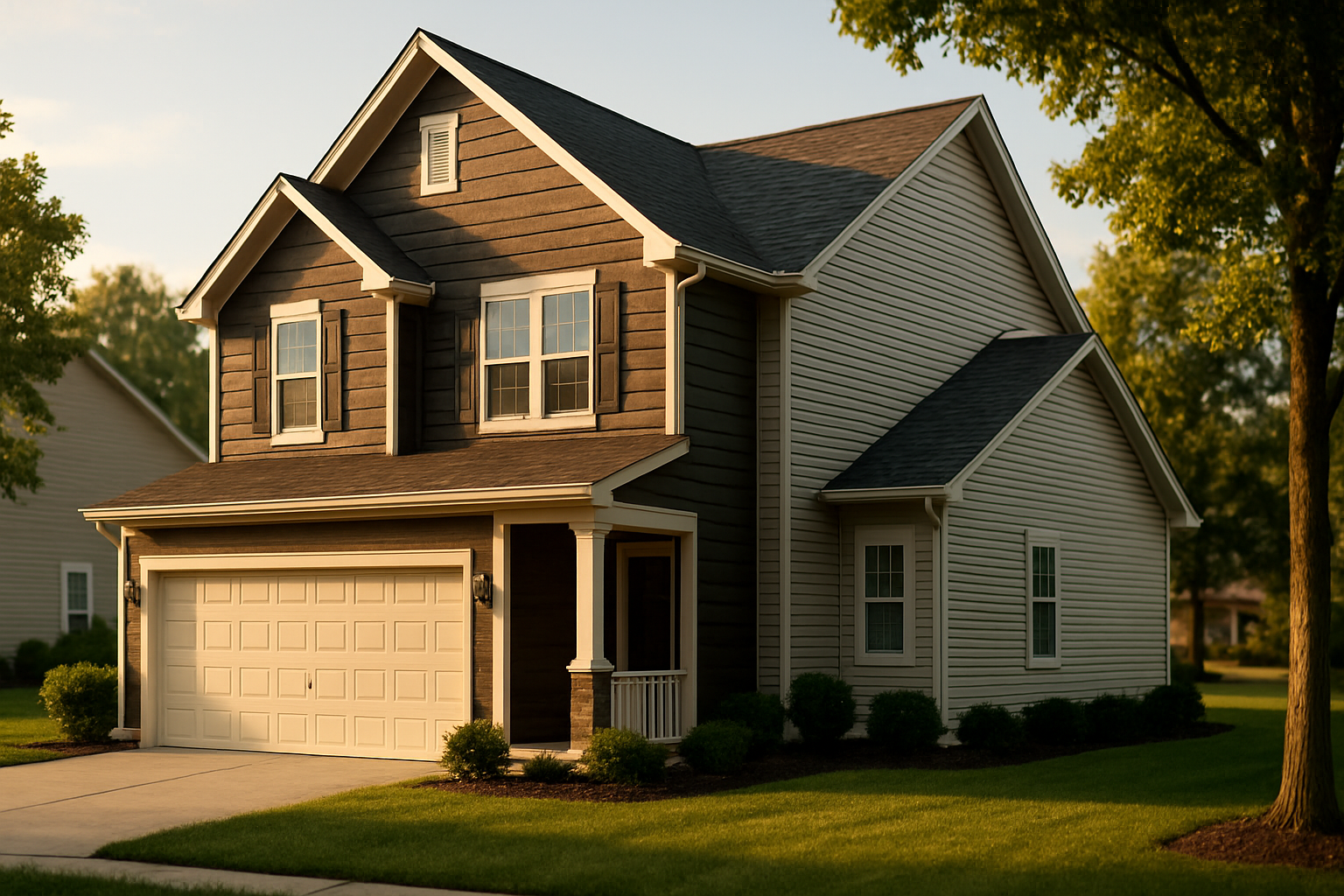
If your top priorities are sticking to a tight budget, getting the job done fast, and never wanting to scrape a paintbrush, premium vinyl (maybe insulated) is your winner. It stands up to our weather when installed right and comes in enough colors to freshen up a 1990s Colonial.
But if you’re after that magazine-cover curb appeal, hate the idea of warping on sunny walls, and don’t mind spending a bit more up front for something that lasts 30-plus years with occasional painting, fiber cement—like James Hardie siding you see all over Carmel and Zionsville—is the move. It laughs at woodpeckers, shrugs off hail better than vinyl, and when paired with a rain screen, handles our humidity without issue.
I’ve worked with homeowners who mixed them—putting fiber cement on the front for the “wow” factor and vinyl on the less-visible sides. That’s a smart way to balance your checkbook and still get the look.
At RoofPros, we do this every day. We’ll come out to your Plainfield home, walk the property, check for moisture issues and rotted trim, and put together a side-by-side proposal with real samples so you can see and touch the options. No pressure, no glossy sales pitch. We’ll explain the installation timeline, the permit process, and what to expect for your specific house. If you’re curious about other siding costs, take a peek at what we’ve seen in Noblesville for comparison. When your soffits and fascia are looking tired, that’s something to tackle at the same time—here’s why. And if you’re ready to get a clear, written quote, just reach out here to set up a planning-first assessment. We’d love to help you make the right call.
Ready for a free roof assessment?
We climb the roof, photograph the damage, and give you an honest read — no pressure, no upsell.