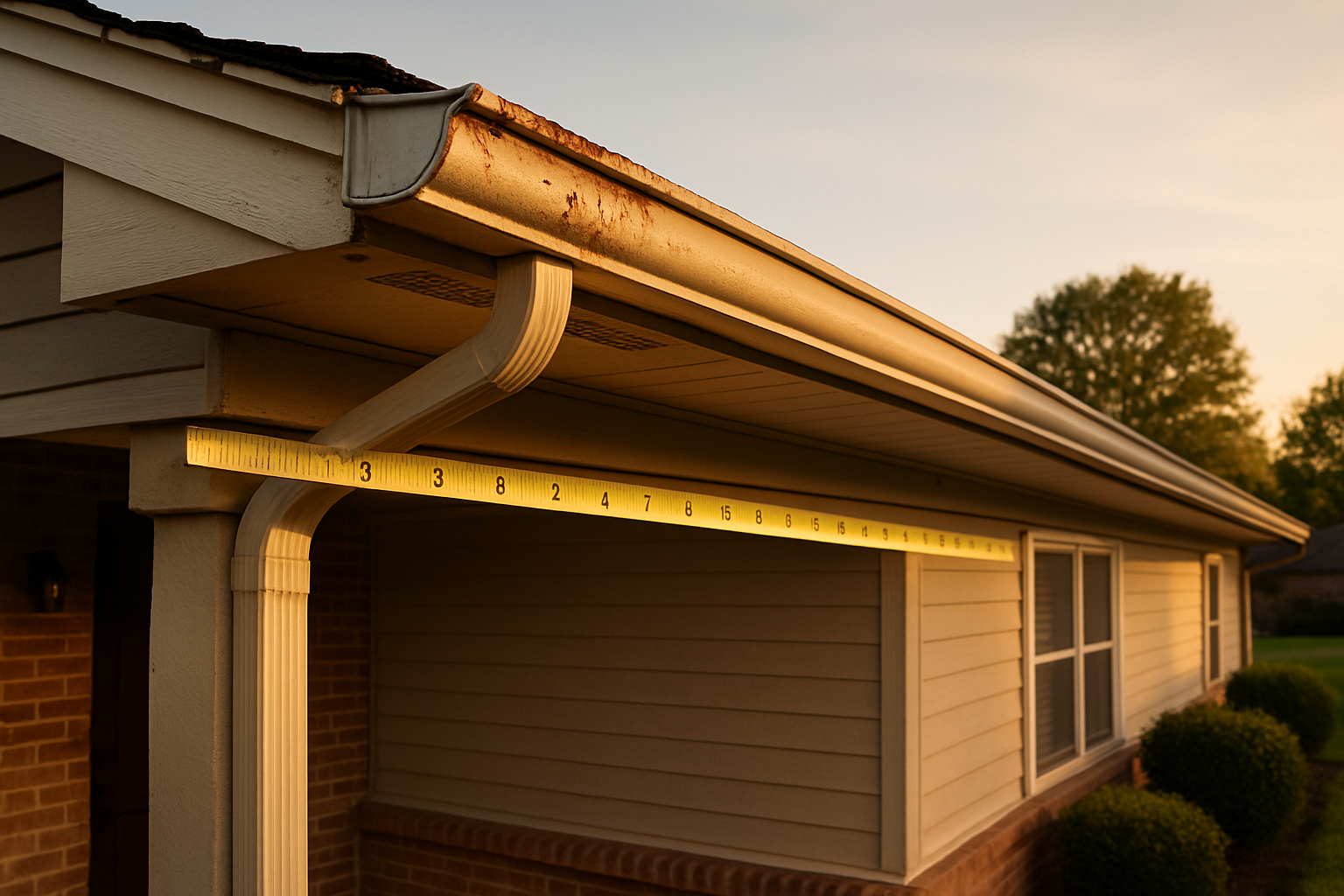
My neighbor Mark waved me over last spring, looking a little sick. “Is this bad?” he asked, pointing at the eave over his front porch. The white trim was peeling and puffy, with a dark stain spreading like a bruise. When I poked it with a screwdriver, the wood crumbled like a stale cracker. That’s soffit rot, and it’s never just cosmetic. If you’re a Greenwood homeowner noticing flaking paint, sagging gutters, or a line of tiny holes along your eaves, you’re probably dealing with the same thing. The good news? Replacing soffit and fascia doesn’t have to be a nightmare—and getting a handle on local costs before you call three contractors makes the whole process a lot less stressful.
What Soffit and Fascia Actually Do
Think of your roof like an umbrella. The shingles are the top layer, but the edges—the fascia and soffit—are the parts that keep rain, critters, and wind from sneaking in underneath. Fascia’s the vertical board that runs right behind your gutters. Soffit is the horizontal underside you see when you stand under the eave. Together, they hold your gutters in place, close off the attic’s overhangs, and manage airflow. If they start rotting away, water gets into the roof deck, attic heat can’t vent properly, and before you know it you’re paying for way more than trim boards. That’s also what shortens the life of your shingles—read more about typical roof lifespan in Indiana.
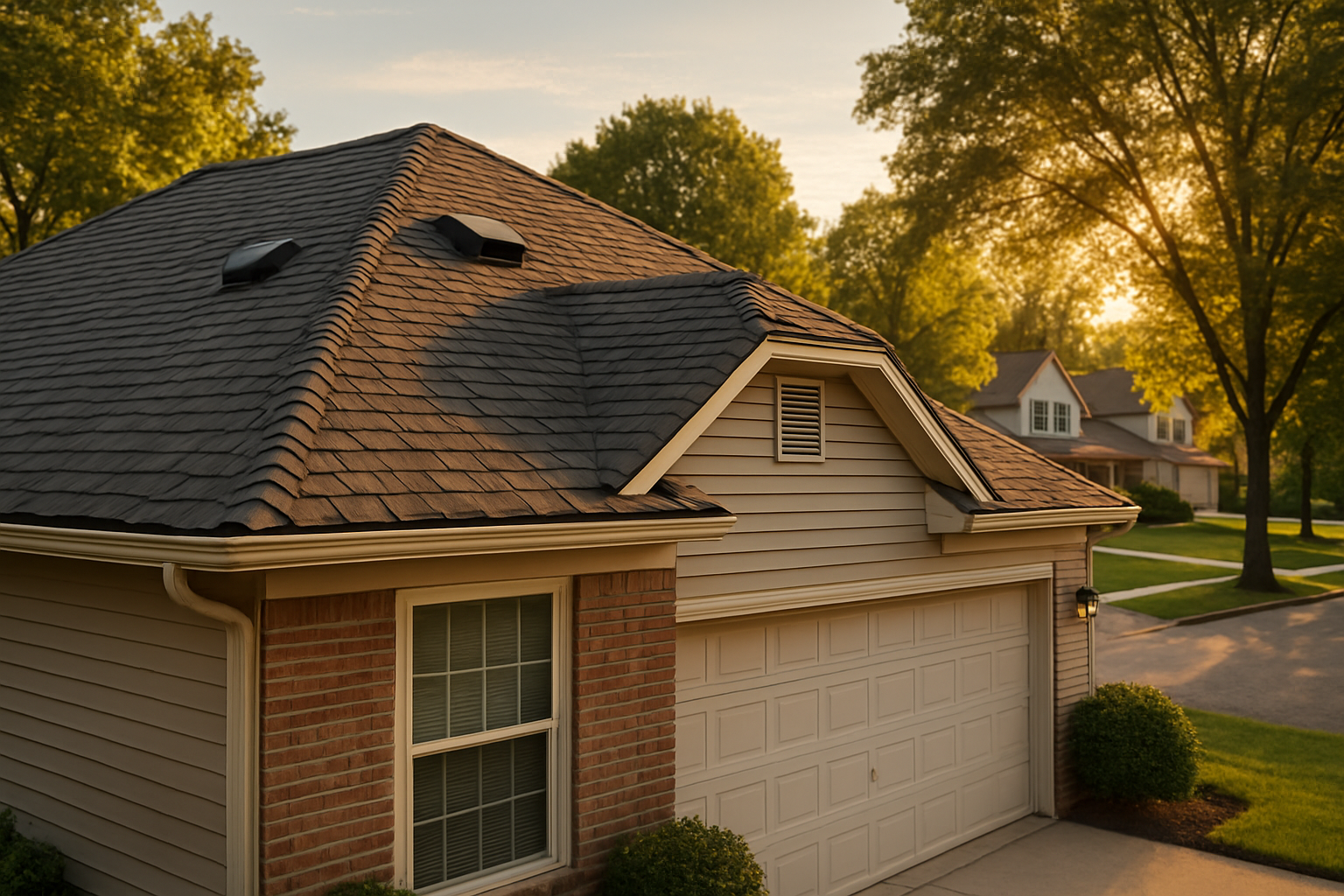
We’ve seen all kinds in this part of Indiana: original 1960s ranch homes near downtown Greenwood with paint-encrusted wood that’s barely hanging on; newer two-story properties in Center Grove HOAs that need perfectly matched aluminum; and everything in between. The common thread? Soffit and fascia that fail because of our brutal freeze-thaw cycles and heavy spring rains.
Telltale Signs You’ve Got Rot
Before you even think about cost, you need to know whether it’s a fix or a full replacement. Mark’s porch corner was shot—full thickness rot all the way to the rafter tail. But sometimes you’ll see earlier clues:
- Peeling paint or bubbly, cracked surfaces on wood fascia.
- Water stains or dark streaks on the siding just below the eave.
- Sagging gutters pulling away from the fascia board. That often means the wood behind is soft.
- Little piles of sawdust or small circular holes—hello, carpenter bees. In Johnson County, they target unpainted softwoods, and once they get in, moisture follows.
- Blocked or missing soffit vents. Walk up to your soffit with a flashlight; if the vent openings are clogged with pollen, maple seeds, or old insulation, your attic might be stewing all summer.
If the damage is isolated to a couple feet and the underlying lumber is solid, a repair might cut it. But if you’re seeing rot spread across several eaves, or the sub-fascia is punky, replacing the whole run makes more sense long-term.
Breaking Down Soffit and Fascia Replacement Costs in Indiana
Now to the part Mark kept asking about—the numbers. We don’t do magical “starting at” pricing because every house is different, but we can give you a straight-up frame of reference for soffit fascia replacement cost Indiana homeowners actually pay.
Cost Per Linear Foot by Material
Here’s what you’re looking at for combined soffit and fascia replacement (materials and labor, messy tear-off and disposal included):
- Vinyl soffit/aluminum fascia: $10–$22 per linear foot. Vinyl soffit is budget-friendly and low-maintenance; the fascia is usually aluminum coil wrapped or pre-bent. This is the most common combo around Greenwood.
- Painted wood soffit and fascia: $14–$28. Nice classic look, but you’ll be painting again in 5–7 years. Woodpeckers love it, too.
- Fiber-cement fascia with vented aluminum soffit: $16–$32. HardieTrim or similar holds paint well and stands up to hail and humidity. Labor runs higher because it’s heavy and requires special cutting.
- Steel fascia (less common on homes): $18–$34. Super strong, but overkill for most residential eaves unless you’ve got serious exposure.
Those fascia replacement cost Indiana per linear foot figures assume normal one-story access. If your eaves are 25 feet up, add about 10–20% for extra staging and safety gear—that’s the reality of two-story soffit fascia pricing.
Whole-Home Project Costs in Greenwood
Most one- and two-story homes we measure around Greenwood, Franklin, and Southport have between 170 and 240 linear feet of eave. Do the math: 200 linear feet at vinyl/aluminum’s mid-range could land around $4,000 all-in. That’s soffit replacement cost Greenwood IN you can hang your hat on for a straightforward job. Premium materials or a complicated roof with lots of gable returns, dormers, and inside corners can push the total to $5,500–$7,500 or more.
We always break out the line items: tear-off and disposal, any rotten sub-fascia or rafter tail repairs ($150–$450 per trouble spot), new vented soffit panels, fascia wrap, miters, and cleanup. You’ll see exactly where the money goes.
Add-Ons That Can Sneak Up
- Aluminum capping over existing fascia: If the wood is still solid, capping at $6–$12 per linear foot of aluminum capping fascia cost saves tear-off and looks crisp. But we’ll warn you: if there’s any hidden rot underneath, capping just traps moisture and makes it worse. We inspect first.
- Continuous vented soffit upgrade: Most older Greenwood homes have solid soffits with small perforated round vents. Switching to continuous vented aluminum or vinyl costs an extra $4–$9 per linear foot. It’s a smart continuous soffit vent upgrade cost to pay if you’ve had ice dams or upstairs rooms than never quite cool off.
- Gutter removal/reinstall: We’ll take down your existing gutters gently, but if they’re corroded or the pitch is off, you might want to bundle gutters with fascia replacement. New seamless gutters aligned with fresh fascia can be rolled into the job and sometimes save on trip charges.
Speaking of which:
When to Bundle Gutters and Ventilation
We never force a gutter upgrade, but there’s a practical reason half our soffit/fascia jobs include new gutters: it’s simpler and the colors match perfectly. If your gutters are 15+ years old, the hangers might be shot, and trying to reattach them to brand-new fascia can lead to leaks. Plus, in areas like Brownsburg or Avon where heavy spring downpours are common, having the whole system—soffit, fascia, gutters—working together means less water splashing back onto the siding. (For a deeper dive on gutter protection, check out our take on gutter guards in Indiana.)
Attic ventilation is just as important. Most folks don’t realize that soffit vents are the intake half of the airflow equation. Without them, even the best roof exhaust fan can’t pull moisture out in winter or heat in July. Replacing soffit is the perfect moment to bring your attic up to modern Indiana attic ventilation and soffits standards. We wrote a whole article on how bad attic heat trashes roofs—if your upstairs feels like a sauna, it’s worth a read.
Materials That Hold Up to Indiana Weather
I’ve seen painted wood fascia peel after one July of humidity followed by a November freeze. Aluminum and vinyl just shrug that off. Here’s how the vinyl vs aluminum soffit cost shakes out in real life:
- Vinyl soffit is your budget champ. It’s light, won’t rot, and today’s versions don’t fade as fast as they used to. The trade-off? Hail can crack it, and it expands/contracts a lot, so installation has to leave room for movement.
- Aluminum soffit and fascia is the workhorse. It holds up to hail, doesn’t rust, and modern baked-on finishes keep color for decades. In Greenwood neighborhoods with strict HOAs, aluminum’s clean lines and uniform appearance make it the go-to. It’s also the best pest deterrent—carpenter bees can’t chew through metal.
- Fiber cement fascia (like HardieTrim) gives you a wood-like thickness that looks premium on colonial-style homes in Zionsville or Westfield. It’s non-combustible and won’t attract insects. The fiber cement fascia price per linear foot is higher, but you gain decades of maintenance-free life.
And don’t forget the hardware. We use stainless or coated fasteners because cheap steel nails will rust and stain within a couple winters.
How We Tackle the Job (Without the Surprises)
When someone calls RoofPros about rotting fascia, the first thing we do is walk the property together—slow, not rushed. We measure the linear footage, test a couple spots for hidden rot, check the attic ventilation path, and note any tricky rooflines or landscaping we need to protect. Then we email you a plain-language, line-by-line quote with material options. No pressure, no “today-only” nonsense.
A typical soffit and fascia installation Greenwood takes one to three days. Gutters come down in the morning, the crew works section by section, and by day’s end the gutters are back up or replaced, the yard is clean, and your plants are untouched. We’ve done this enough to know that protecting your lilac bushes matters just as much as getting the miters tight.
We also help with the administrative stuff. If your HOA wants color samples, we’ll provide them. If a permit is needed—unusual for soffit work unless you’re altering the roof structure—we’ll pull it. And if you’ve got questions about whether hail damage might be covered by insurance, we can point you in the right direction (though we’re not claims adjusters).
Bottom line: rotting soffit and fascia won’t fix themselves, and waiting only invites bigger problems. If you’re in Greenwood, Franklin, Center Grove, or anywhere around the south side, request a no-obligation soffit and fascia assessment—you’ll get a written, line-item quote that makes sense.
Ready for a free roof assessment?
We climb the roof, photograph the damage, and give you an honest read — no pressure, no upsell.