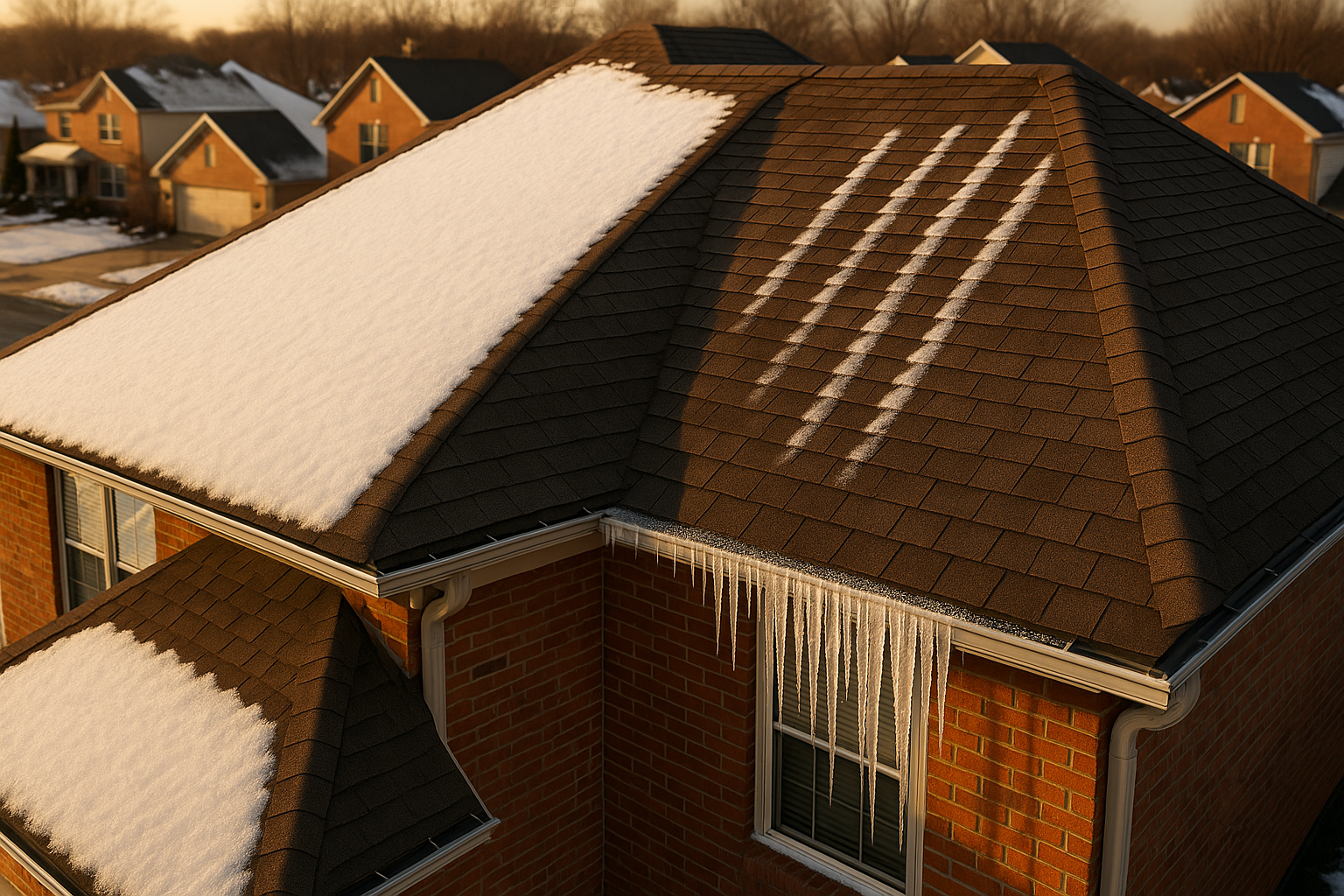
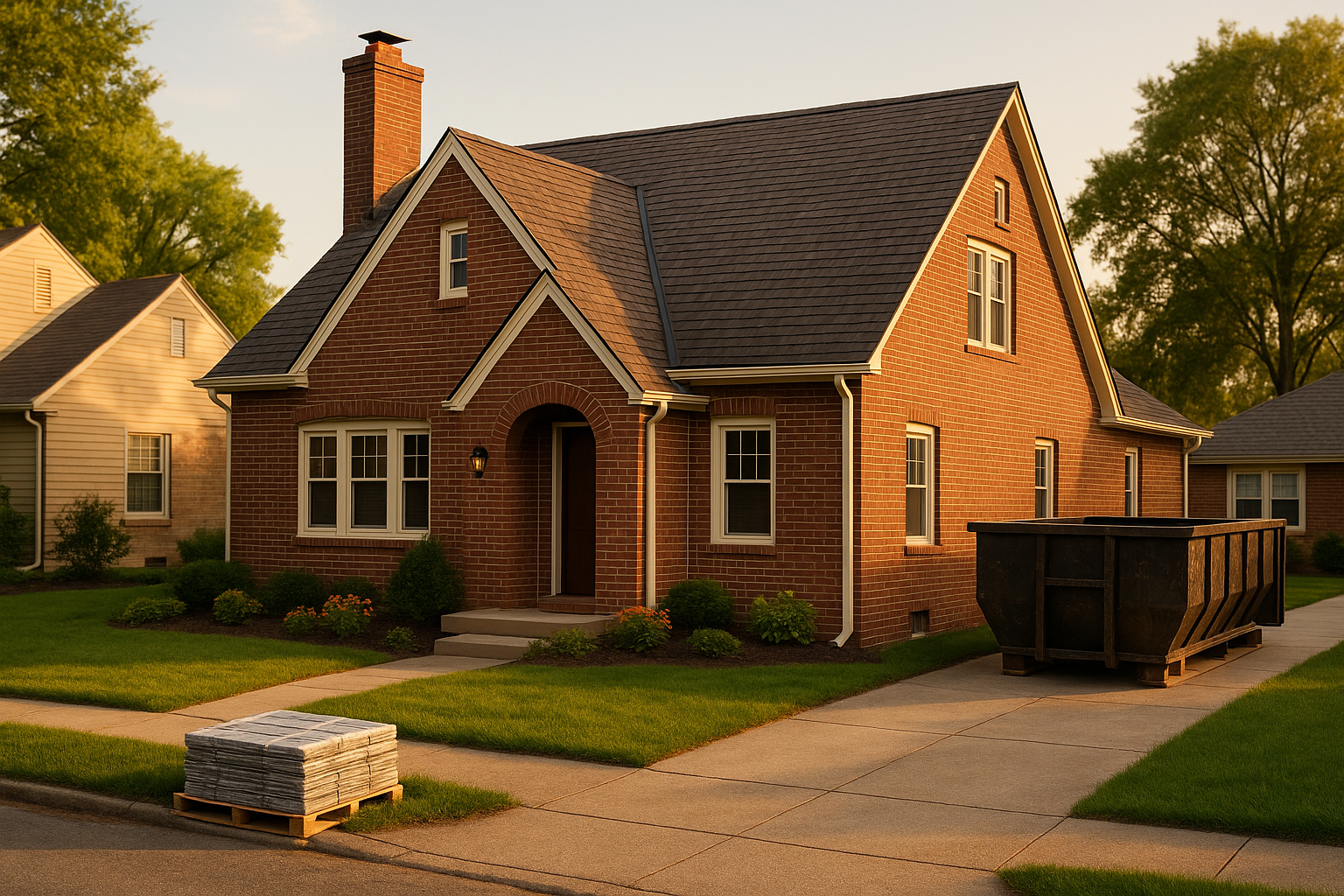
If you’re planning a roof replacement in Indianapolis within the next year, timing matters. The right weather window helps shingles seal properly, keeps the site protected, and reduces the risk of delays. At RoofPros, we favor a planning‑first process that locks in a clear scope, a sensible schedule, and craftsmanship aligned to local conditions—so the work is done right the first time.
What’s the best time of year to replace a roof in Indianapolis?
For central Indiana, the most reliable windows are late spring (May–June) and early fall (September–October). During these periods, temperatures and humidity are usually moderate, and we often see more consecutive dry days—ideal weather for roofing.
• Asphalt shingles typically perform best when installed in the 40–85°F range. Sealant strips activate more reliably with warmth and dry conditions. Extreme cold can make shingles brittle; extreme heat can scuff or imprint materials.
• Spring vs. fall roof replacement: Fall often brings cooler, stable weather that helps shingles set without heat‑related scuffing, while late spring can offer longer daylight and productive runs—if you plan around showers.
• Local storm season roofing: Severe thunderstorms and hail are most common April–June. Demand can spike quickly after events, affecting roof replacement lead times and material availability. Planning ahead secures your spot.
Season‑by‑season guidance for central Indiana roofs
Spring (March–May)
Spring brings variable temperatures and frequent rain. Roofing can proceed successfully with a schedule that includes weather buffers. Ask about your contractor’s rain‑delay policy and how they will protect the home if precipitation moves in mid‑project. A planning‑first approach allocates extra dry‑in materials and sequences the tear‑off so only what can be finished or fully dried‑in that day is exposed.
Key notes: - Expect some flexibility for rain delays; confirm communication protocols beforehand. - Ideal weather for roofing is dry, with temperatures preferably above 40°F for asphalt shingles. - After hail or wind, schedule an inspection promptly to avoid backlogs and to document conditions.
Summer (June–August)
Yes, you can replace a roof in summer. Roofing in summer heat requires more careful staging. Professional crews often start early to avoid peak heat, manage shingle handling to prevent scuffing, and prioritize attic ventilation to control deck and attic temperatures during the build.
Key notes: - On high‑heat days, shingles can be softer; careful foot traffic and staged loading protect surfaces. - Hydration and safety practices can affect pacing—build a realistic schedule. - Good ventilation and reflective underlayments help long‑term performance.
Fall (September–November)
Fall is many homeowners’ favorite roof replacement season in Indianapolis. Days are typically drier and cooler, helping shingles seal without the risks of high heat. Availability can tighten as homeowners try to beat winter, so plan early. If you’re replacing in October–November, request a post‑project gutter check; leaf fall can clog downspouts after construction.
Key notes: - Stable, dry weather supports predictable scheduling. - Temperatures commonly sit in the shingle‑friendly range. - Plan for earlier sunsets with efficient sequencing and a clean site every evening.
Winter (December–February)
Can you replace a roof in winter? Yes—with the right methods and conditions. Cold‑weather installation may require specialty adhesives, careful shingle handling, and longer cure times. Scheduling must be flexible around cold snaps, snow events, and wind chills.
Key notes: - Below‑freezing temperatures can limit sealing; hand‑sealing and cold‑weather products may be specified. - Verify the deck is fully dry before underlayment—moisture under the system is a no‑go. - Ask how the crew protects landscaping and driveways when snowbanks or frozen turf complicate access.
Materials, temperature, and quality control
Material choice affects how tightly you need to target weather windows:
- Asphalt shingles (most common): The temperature for asphalt shingle installation is ideally 40–85°F with dry conditions. Sealant activation, nail penetration, and handling are all temperature‑sensitive.
- Metal roofing: Less dependent on ambient temperature, but dry conditions are still essential for footing and flashings. Expansion/contraction detailing and underlayment selection matter for Indiana’s freeze–thaw cycles.
For a deeper comparison of performance, lifespan, and curb appeal, see Asphalt vs. Metal Roofing for Indiana.
Quality‑control items that vary by season: - Nail placement and depth: In heat, avoid overdriving; in cold, ensure proper penetration without cracking. - Deck dryness: Never cover a wet deck; confirm moisture conditions before underlayment. - Seal strips: In cooler weather, confirm activation or specify hand‑sealing as needed per manufacturer guidance. - Flashings and details: Valleys, chimneys, and skylights deserve extra attention in wet seasons. - Ventilation: Balanced intake and exhaust reduce attic heat in summer and moisture in winter.
Scheduling, lead times, and local logistics
Roof replacement lead times shift with the season and storm activity. After spring hail or wind, insurance claim surges can lengthen wait times and affect material availability. A planning‑first timeline helps you choose the best window and keep the project moving:
Typical steps: 1) On‑roof inspection and attic check 2) Clear scope (tear‑off vs. overlay, underlayment, ventilation, flashing upgrades) 3) Material selections and ordering 4) Permits/approvals (where required) 5) Weather window and build dates
Local Indianapolis considerations: - Some neighborhoods and HOAs (and historic districts) require approvals. Build these into your timeline. - Coordinate dumpster placement, street parking, and delivery access—especially on narrow streets or alleys. - Protect driveways and landscaping with boards, tarps, and magnet sweeps; confirm cleanup standards in writing.
For help selecting a contractor and evaluating process and communication, read Choosing a Roofing Contractor in Indianapolis.
Cost timing and when not to wait
“Roof replacement cost timing” questions often come down to balancing availability, weather, and the condition of your system. If you see active leaks, missing shingles, or soft decking, waiting until the “perfect” month can allow interior damage to grow—raising the total scope. See common red flags in Signs You Need a New Roof in Indiana.
Not sure if you can hold off? Start with a planning inspection and a written scope. If a targeted repair can safely bridge you to fall or spring, a specialist will say so. For a structured decision path, use Roof Repair vs. Replacement: How to Decide.
How long does roof replacement take—and what to expect on site
On a typical Indianapolis single‑family home, roof replacement often takes 1–2 working days once materials are on site. Complex roofs, decking repairs, or weather interruptions can extend that. What matters most is a controlled sequence and a clean, safe jobsite:
- Tear‑off in sections so the home can be dried‑in the same day if weather shifts.
- Underlayment and flashings installed to manufacturer specs before shingle courses advance.
- Daily cleanup, driveway and landscaping protection, and magnet sweeps for nails.
- Clear communication if a rain cell appears; a good plan outlines how the crew will secure the roof quickly.
Indianapolis roof timing FAQs
What is the best month to replace a roof in Indianapolis?
Late May–June and September–October generally offer the most consistent mix of moderate temps and dry stretches. Availability can be competitive in these windows—book early.
What temperature is too cold to install asphalt shingles?
Below about 40°F, shingles can be stiff and sealants slow to activate. Cold‑weather techniques may be required, including hand‑sealing and careful handling.
Can you replace a roof in winter without affecting the warranty?
Manufacturer requirements vary. Many allow winter installs if you follow product‑specific instructions (e.g., hand‑sealing). Ask your contractor to align the scope with the manufacturer’s published cold‑weather guidance.
Is summer heat bad for installation?
High heat increases the risk of scuffing and overdriven nails. Early start times, shaded staging, and controlled foot traffic mitigate those risks.
How do roofers handle rain delays and site protection?
Your plan should include a rain‑delay policy, dry‑in materials on site, and phased tear‑off. The crew should secure any open areas with underlayment before weather arrives and protect landscaping and driveways.
Do I need a permit or HOA approval in Indianapolis?
Some properties do. Your contractor should identify local requirements and sequence approvals before scheduling delivery and tear‑off.
Plan your project with RoofPros
The “best time of year to replace a roof” in Indianapolis is the window that balances your home’s needs with solid weather and a realistic schedule. RoofPros pairs local forecasting, quality materials, and a clear, written scope so your roof is installed with care—no surprises.
Ready to pick the right season, finalize materials, and set a dependable timeline? Get a Free Deck Consultation—then confirm your plan and dates with our planning‑first roof inspection and scope review. Start the conversation at Request Your Plan and Quote.
Ready for a free roof assessment?
We climb the roof, photograph the damage, and give you an honest read — no pressure, no upsell.