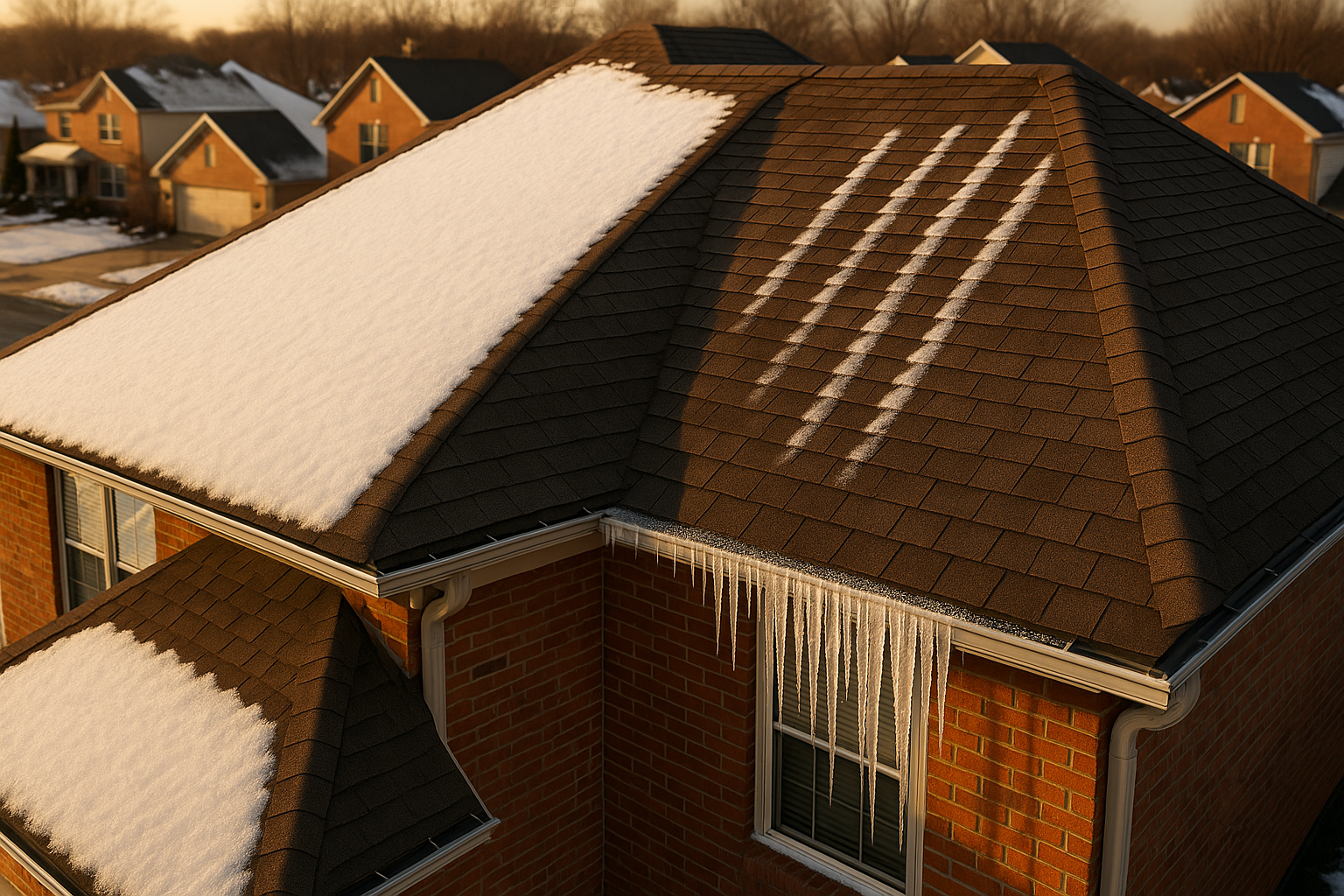
A couple summers back, my neighbor Jenna in Meridian-Kessler was in her backyard when a pop-up storm rolled through. It only lasted twenty minutes, but the hail pelted down—chunks the size of golf balls bouncing off her patio. She didn't think much of it. No shingles in the yard, no drips inside. Fast forward six months, and her ceiling had a water stain the size of a dinner plate. Turns out, the hail had beat her asphalt shingles half to death—just bruised them enough to let water seep in over time. That's the thing about hail damage in Indianapolis: it's rarely a drama. It's a slow leak that can cost you big if you don't know what to look for.
So, if you're reading this, maybe you're in the same boat—wondering if your roof took a hit and what on earth to do about it. Filing a hail damage roof insurance claim in Indianapolis doesn't have to be a nightmare. Here's how to handle it, from that first peek at your gutters to the day the crew rolls up.
What Hail Actually Does to Your Roof
Let's get one thing straight: you don't need to see missing shingles to have real hail damage. Indiana hailstorms—especially those spring and summer squalls—can bruise the mat of your shingles without tearing them off. Look for dark, dime-sized dimples where the granules got knocked loose. Over time, that bare spot turns brittle and cracks. Walk around and check your gutters—are there piles of gritty granules? That's the lifeblood of your roof washing away. If you're not sure whether your shingles are just old or actually storm-damaged, check out our guide on signs you need a new roof. Soft metals are like a confession booth, too. Dents in aluminum downspouts, fascia wrap, even your mailbox top or AC fins—those don't lie. If the storm was big enough to ding your car, your roof probably took a punch.
First Steps After a Hail Storm
Right after a storm, safety first (slippery ladders are no joke). Grab your phone and snap clear photos of anything that looks off: dented gutter elbows, granule strips on the driveway, any shingle edges that look “fuzzy” or curled. Don't just stand in the yard—get up close if you can. Next, go inside. Grab a flashlight and poke your head into the attic. Look for dark spots on the underside of the roof deck or damp insulation. If you see a leak or a bulge in the ceiling, throw a tarp over it—temporarily. Many local contractors (hint: that's us) offer emergency roof tarping to stop more water from wrecking your drywall. Your insurance company expects you to prevent more damage, so tugging a blue tarp over a leaky spot can actually be part of your claim.
Oh, and don't wait. Most policies have a deadline for filing—often a year, but some Indy companies want you to report within 30 days. Dig out your declarations page and check. If you do end up needing work, you'll want to plan when to schedule it—we've got a whole post about the best time of year to replace a roof in Indiana.
How the Insurance Claim Process Works
Here's the order that tends to save people the most headaches: call a trusted local roofing company first, not your insurance agent. I know, sounds backward. But a good contractor does a storm damage roof inspection Indianapolis pros trust—they'll check every slope, every pipe boot, every valley. They'll give you honest feedback: “Yep, this is legit hail,” or “Honestly, it's just cosmetic wear.” If there's real damage, they'll document it with photos and measurements, then you call your insurance to open a claim.
An adjuster will come out. You want your contractor there, on the roof, pointing out hail hits that an adjuster might miss—especially collateral stuff like dented vent caps or granule loss along rake edges. Your contractor will also help you understand ACV vs RCV. ACV (Actual Cash Value) is what your old roof is worth today, depreciation and all. RCV (Replacement Cost Value) is what it costs to replace new. Most policies in Indiana are RCV—you pay your deductible, they cut a check for the rest, but you might get two checks: one up front for ACV, and the rest after the work's done and you send in the final invoice. If the adjuster's scope misses something (say, code-required ice and water shield on your eaves—required around here), your contractor files a supplement. That's totally normal, not a red flag.
Why a Local Indianapolis Roofer Makes All the Difference
Look, a storm chaser from three states away isn't going to know that homes in Fishers often have that tricky steep pitch, or that many Broad Ripple houses have a second layer of shingles underneath. We see the same hailstorm patterns year after year—northwest sides often get hit harder, houses with big tree canopy might hide damage. A local team knows the permit rules in Carmel vs. Greenwood, and we don't vanish after the job. We've also got relationships with insurance adjusters who work this metro area regularly. That matters when you've got a claim on the line. Plus, we live here—we're not about to leave a mess on a tight Irvington lot.
If you're worried about getting scammed, watch out for door knockers who promise “free” roofs and pressure you to sign right then. A real local roofer has a physical office, a license you can look up, and won't dodge your calls after the job. We've heard too many stories of people in Avon who signed with “slam crews” and ended up with shingles blowing off the next year because the install was rushed. Don't be that person.
Upgrades Worth Considering During Replacement
While insurance is paying for a replacement, it's smart to think about upgrades you'd fund on your own. Class 4 impact-resistant shingles are a game-changer—they can shrug off hail that would total a standard shingle. Some insurers even give a discount if you go that route. Also, consider better attic ventilation (ridge and box vents) to keep your second floor from baking in July. It's a small add-on now that saves energy later. And if your gutters got beat up, this is the moment to handle everything—don't piecemeal it with three different crews.
Common Worries (and Real Answers)
But here's the thing—a hail damage roof insurance claim in Indianapolis isn't a lottery ticket; it's an insurance process meant to make you whole. So let's knock down a few worries:
“Will my premium skyrocket if I file?” Not from a single claim tied to a natural disaster. Hail is a weather event, not a fault claim like a car crash. Could your neighborhood see a slight adjustment? Maybe. But ignoring real damage can cancel your coverage faster than a claim will.
“My adjuster already came and said no damage—can I still do something?” Yes. Get an independent second opinion. Sometimes adjusters don't mount the roof and miss the small things. A contractor can request a re-inspect with new evidence.
“Do I have to replace the whole roof?” If the hail hurt enough shingles, insurance may require full replacement to match the product. Nailing down a patch might be possible, but matching 15-year-old color is almost impossible—it’ll look like a checkerboard. Most Indy homeowners go for the full replacement to keep things clean.
Ready to Get Started?
This is the part where you take a breath and let someone who does this every day take over. We're RoofPros—based right here, working from Zionsville to Greenwood. We'll come do a no-pressure assessment, snap the photos, walk you through what's in your policy, and if there's damage, help you file a hail damage roof insurance claim in Indianapolis the right way. No scare tactics, no mess left behind. Just a roof you won't have to worry about next time the sky turns ugly.
Schedule your free storm assessment here. It's the simplest step toward putting this whole thing to bed.
Ready for a free roof assessment?
We climb the roof, photograph the damage, and give you an honest read — no pressure, no upsell.