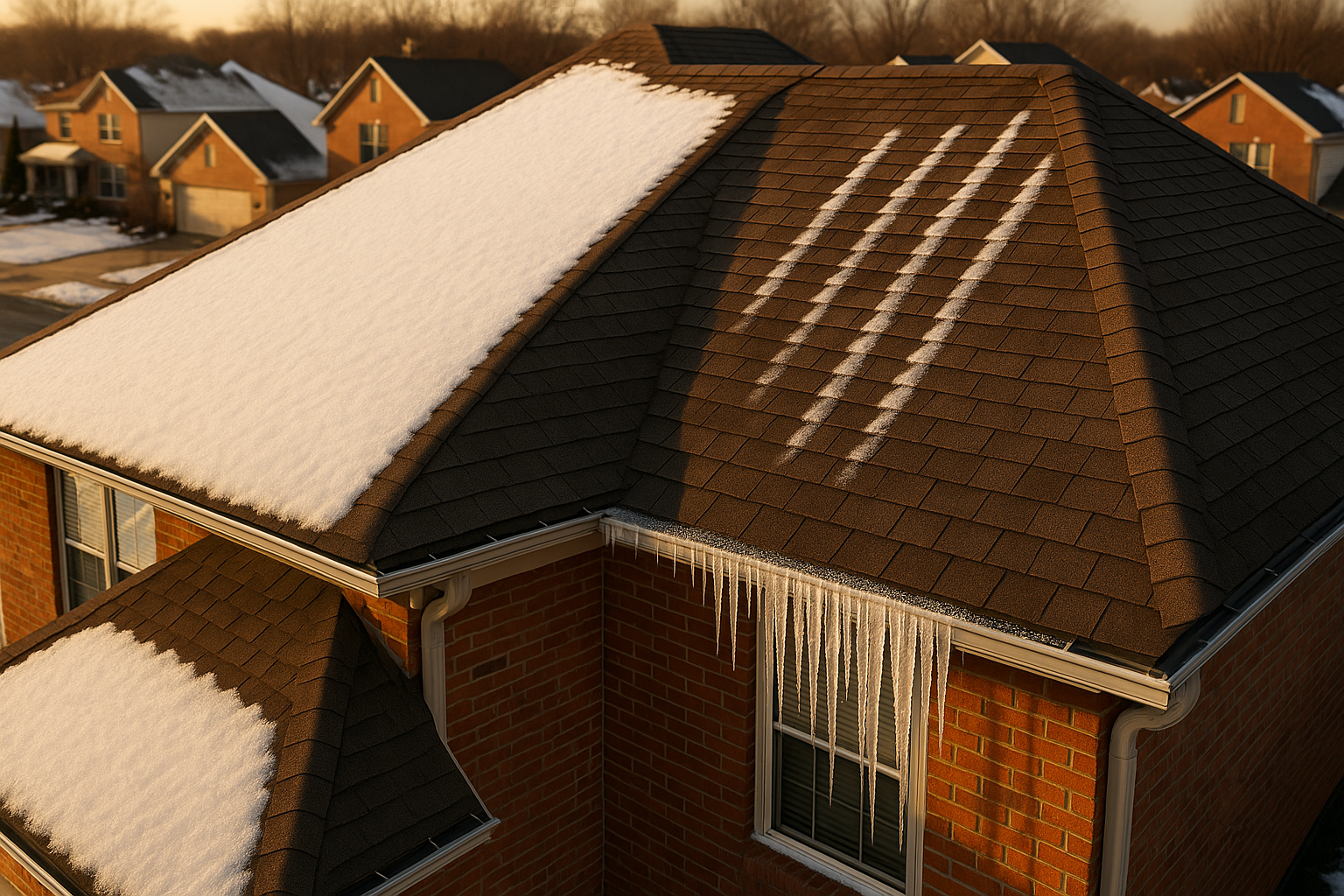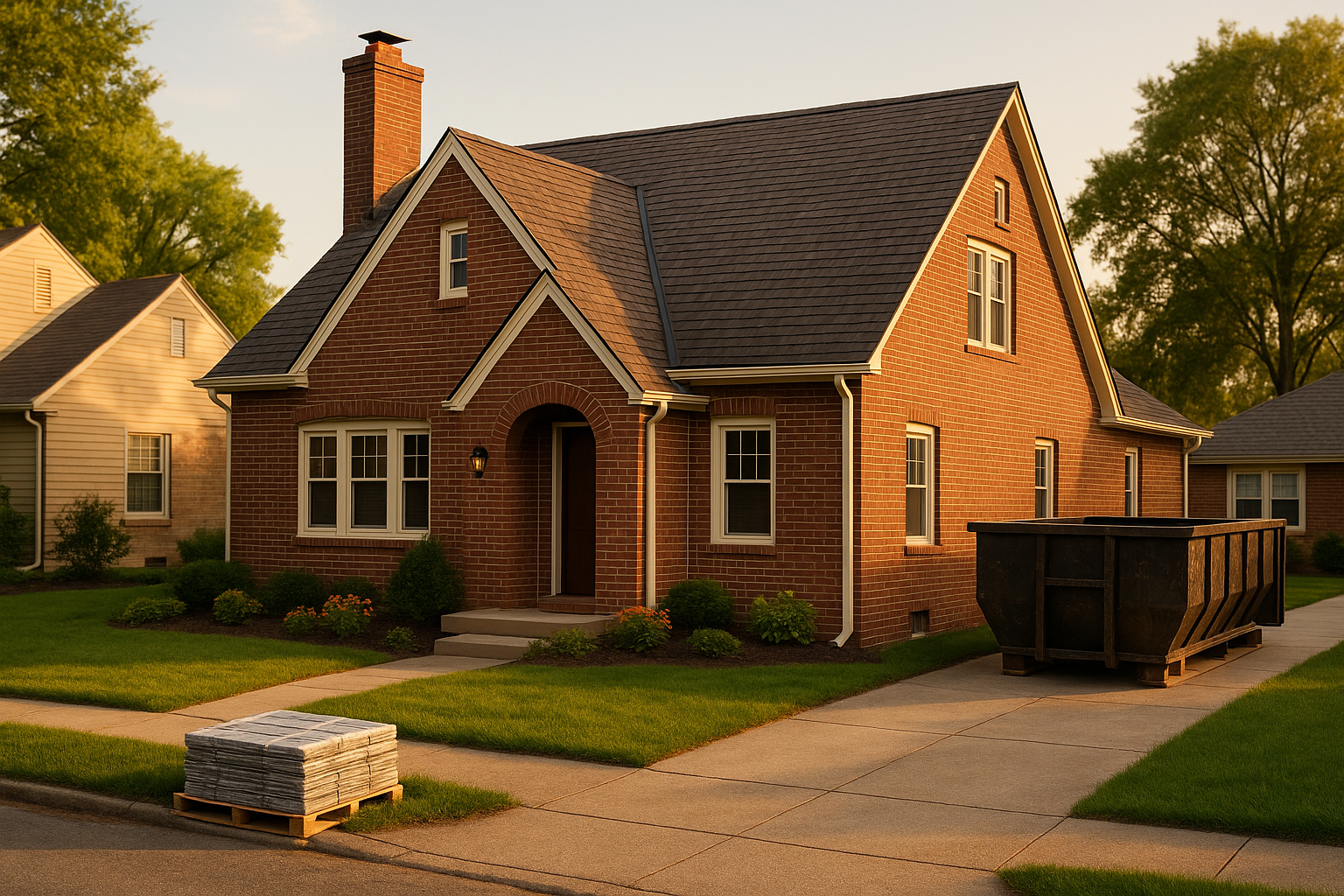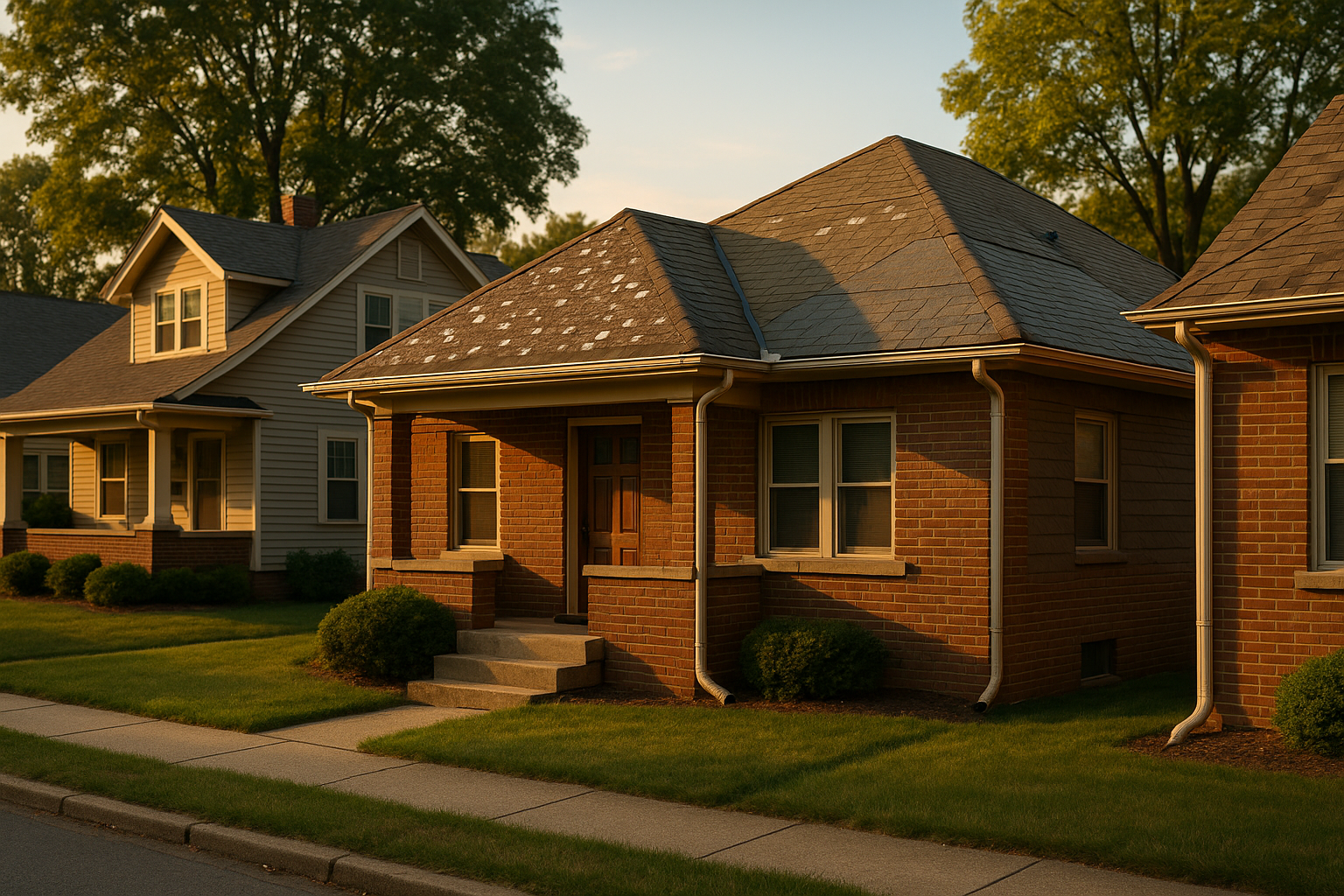
When a fast-moving cell drops hail or straight‑line winds across Indianapolis, the right next step isn’t guesswork. This guide walks you through practical, local steps for Indianapolis storm damage roofing—from first‑hour safety moves to a documented inspection, materials that perform in Central Indiana, and a clear plan to repair or replace without pressure.
First 24 hours: safety and simple mitigation
- Prioritize safety. Avoid walking on the roof. Visually check from the ground with binoculars if needed.
- Photograph visible issues from the street: missing or creased shingles, debris on slopes, dented gutters, or torn ridge caps. Document the date/time.
- Protect interiors. Place buckets or towels under active drips and move items away from wet ceilings and attic areas.
- Request emergency roof tarping in Indianapolis if water is entering. Temporary covering can limit secondary damage until permanent work begins.
- If you suspect electrical risk near a leak, avoid the area and consult a professional.
For a quick checklist on immediate actions, see our local primer: What to do after a hail storm in Indiana.
What storm damage looks like—from the ground
Most Indianapolis roofs use architectural asphalt shingles on gable or hip roofs. Common storm indicators you can note safely from the ground include: - Missing shingles or tabs. Gaps often follow the wind direction across a slope. - Lifted or creased tabs (wind-creased shingles). Edges may appear bent back or cracked. - Granules collecting in gutters or at downspouts (granule loss from hail). Piles of coarse, sand‑like material point to shingle surface wear. - Dented soft metals. Look at gutter faces, downspouts, metal ridge caps, and vent hoods—small round dents can reveal hail impact. - Roof flashing storm damage. Watch for visibly lifted step flashing at walls or gaps around chimneys and skylights. - Interior signals. Fresh ceiling stains, damp attic decking, or light showing through the roof deck. An attic inspection after the storm can reveal early moisture.
If you see any of these signs—or you’re unsure—request a professional storm damage roof inspection in Indianapolis. Subtle issues (like micro‑fractures from hail) aren’t always visible from the ground but can shorten a roof’s service life.
Why a documented inspection matters
A professional inspection supports sound planning and insurance conversations. RoofPros completes: - Slope‑by‑slope photo documentation, including close‑ups of suspected hail marks and wind creases. - Moisture checks in attic hot‑spots near vents, chimneys, and valleys. - Soft‑metal evidence review (vents, gutters), which adjusters often use to corroborate hail size and direction. - A written, line‑item scope of work with repair vs. replacement recommendations and code items if applicable.
Good documentation helps you understand options and decide whether to involve insurance. It does not guarantee claim outcomes—but it ensures you’re speaking from clear evidence.
The RoofPros planning‑first process
As a local, specialist roofing contractor, we design each project around Indianapolis weather realities and your home’s architecture: 1) Local weather‑aware inspection and photo report. 2) Clear scope, itemized by area—repairs, flashings, underlayments, ventilation, and related exterior components. 3) Materials guidance, including impact‑resistant shingle options and appropriate underlayments. 4) A straightforward estimate before any decisions—no pressure.
Need a measured starting point? Request a no‑pressure inspection at /#quote.
Materials and methods that perform in Central Indiana
Indianapolis sees spring/summer hail and straight‑line winds (50–70+ mph), fall wind events, and winter freeze–thaw that stresses flashings and eaves. Materials and details that help your roof endure: - Architectural asphalt shingles with optional Class 4 impact‑resistant ratings for hail. Class 4 shingles in Indianapolis can reduce future impact damage; your insurer may offer incentives—ask your carrier. - Proper underlayments: ice‑and‑water shield at eaves and valleys, and synthetic underlayment on fields for consistent protection and better tear resistance in wind. - Quality ridge or box vents sized for your attic’s net free area. Balanced intake/exhaust reduces heat and moisture that can accelerate shingle aging. - Sealed and correctly stepped flashings at walls and chimneys, plus new boots at pipe penetrations.
A well‑built system outlasts any single component—ventilation, flashings, and underlayments work together to resist repeat leaks.
Repair vs. replacement after a storm
The right path depends on damage density, shingle age, and code requirements: - Extent and distribution. Is damage concentrated on one slope (e.g., north face) or scattered across multiple planes? - Shingle age and brittleness. Older shingles can crack when lifted for spot repairs, risking additional breakage. - Matching considerations. Exact color/texture matches can be difficult on aged roofs; some policies and local practices address this—ask your adjuster. - Code‑required items. Drip edge, ice‑and‑water at eaves/valleys, and adequate ventilation in Marion County can influence scope during replacement.
We’ll outline both paths with pricing so you can weigh cost, lifespan, and risk. For a deeper dive, see Roof repair vs. replacement: how to decide.
Insurance basics for Indiana homeowners (non‑legal)
- Coverage type. Many policies cover named perils like wind and hail. Your insurer can confirm specifics.
- Deductible. You’re responsible for the deductible; ask how it applies to roof and related items.
- ACV vs. RCV. Actual Cash Value pays depreciated value; Replacement Cost Value can release recoverable depreciation after work is completed, per policy terms.
- Who should call. Homeowners should initiate insurer communications. Contractors can provide documentation but don’t interpret coverage.
- Emergency tarping. Often considered reasonable mitigation—ask if it’s reimbursable and keep receipts.
- Timeline realities. After major Indy storms, adjuster visits can take 1–2+ weeks; material and contractor queues may extend several more. A clear written scope helps you secure your place without pressure.
For a plain‑English overview, read our Homeowners insurance roof damage guide.
Permits, code, and scheduling in Indianapolis/Marion County
- Permitting. A Marion County roof permit may be required for replacements; we verify current local requirements prior to work.
- Common code items. Drip edge at eaves/rakes, ice‑and‑water shield at eaves and valleys, and adequate attic ventilation.
- Weather windows. Ideal install conditions are dry, with daytime temps typically 40°F+ for proper shingle sealing—spring and fall are busy seasons.
- Scheduling. To avoid long delays, align on scope early. We’ll prioritize leak‑active homes for interim mitigation while your permanent repairs are queued.
Related systems to evaluate after storms
Storms rarely affect only shingles. We also assess: - Gutters, guards, and downspouts for hail dents or separation. - Siding, fascia, and soffit for impact or wind‑pull. - Skylights, chimney caps, and ridge/box vents for seal failure.
Coordinating these items together can streamline claims and reduce repeat leak risk.
How to avoid storm‑chaser pitfalls
- Confirm a true Indianapolis presence and references in neighborhoods like Meridian‑Kessler, Broad Ripple, Irvington, Fountain Square, and nearby suburbs (Carmel, Fishers, Greenwood, Zionsville, Westfield).
- Ask for proof of insurance and a written, itemized scope—not just a one‑line price.
- Beware of door‑to‑door high‑pressure tactics. A legitimate local roofing contractor in Indianapolis will answer questions, not rush decisions.
For more hiring criteria, visit Choosing a roofing contractor in Indianapolis.
Maintenance and resilience tips
- Keep gutters clear so water can move off eaves and away from fascia.
- Trim overhanging branches that can scrape shingles in wind and drop debris.
- Ensure balanced attic ventilation; heat and humidity shorten shingle life and stress fasteners.
- Replace aging flashings proactively; flashing failure is a common leak source after freeze–thaw.
- Consider upgrading to impact‑resistant (Class 4) shingles at your next reroof for better hail resilience.
FAQs: Indianapolis storm damage roofing
What should I do immediately after hail or strong winds hit my Indianapolis home?
Stay safe, document visible damage from the ground, protect active leaks, and request emergency tarping if water is entering. Then schedule a professional inspection.
How can I tell if my shingles are hail‑damaged versus normal wear?
Hail often leaves circular impact marks, bruising you can feel, or granule loss patterns. Normal wear is more uniform. Soft‑metal dents on vents or gutters help confirm hail occurred.
Do I need emergency tarping, and who typically pays for it?
If water is entering, yes—tarping limits secondary damage. Many insurers reimburse reasonable mitigation; confirm with your carrier and keep receipts.
Should I call my insurer before or after a professional roof inspection?
Start with a professional inspection to understand condition and get photos. Then you decide whether to file; the documentation supports your conversation with the adjuster.
What Indianapolis/Marion County code items might be required during replacement?
Common items include drip edge at eaves/rakes, ice‑and‑water shield at eaves/valleys, and ventilation per attic size. We verify current requirements before work begins.
Are Class 4 impact‑resistant shingles worth it in Central Indiana?
They can reduce hail impact damage and may offer insurance incentives. We’ll compare cost, performance, and your roof’s exposure to help you decide.
How long does a storm‑damage roof project typically take in Indianapolis?
Most single‑family replacements take 1–2 days once scheduled. After major storms, adjuster and material backlogs can extend start dates—your written scope helps secure a slot.
Your next step with RoofPros
If your home in Indianapolis, Speedway, Lawrence, or nearby suburbs took hail or wind, let’s start with clarity. Request a no‑pressure, documented inspection and a clean, itemized scope at /#quote.
Have broader exterior questions too? Get a Free Deck Consultation. We’ll provide a practical, photo‑rich report and a straightforward estimate so you can decide on repair vs. replacement with confidence—no pressure, just clear options.
Ready for a free roof assessment?
We climb the roof, photograph the damage, and give you an honest read — no pressure, no upsell.