I remember when my neighbor up in Saxony called me over in a panic. Water dripping from her kitchen ceiling, right below the master bath. She'd just bought the house three years prior, and the inspector said the roof had "plenty of life left." Turns out it was a 22-year-old architectural shingle roof that had pretty much given up. That's the thing about roofs—they don't always send a warning email. So, how long does a roof last around here? The honest answer? It's not one number. It depends on the material, the installer, and how Indiana's weather has treated it.
What Actually Determines How Long a Roof Lasts in Indiana
Most roofing warranties are written by lawyers, not roofers. They cover defects, not the day-to-day beating a roof takes from spring hail, summer sun, and winter ice dams. Here's what matters locally.
Asphalt Shingles: The Workhorse That Ages Different Than You Think
The classic 3-tab shingle? In Central Indiana, you're looking at 12 to 18 years. They're thinner, and our temperature swings tear them up faster. Architectural (dimensional) shingles are a big step up—20 to 28 years is realistic if they're installed right with good ventilation. Some premium asphalt products can push 30, but they still need that airflow underneath. I've seen architectural roofs in Fishers fail at year 19 because the attic was basically an oven. If you're comparing, check out our breakdown of asphalt vs metal roofing for a fuller picture.
Metal Roofing: The Long-Haul Option
Ribbed metal panels (the kind you see on pole barns but now on homes) usually last 30 to 45 years. Standing seam metal, with its hidden fasteners and clean lines, can hit 40 to 60-plus years. That's a roof you might bolt on once and forget. And no, a metal roof isn't noisy when insulated properly—I've stood in attics during downpours in Carmel and barely heard a thing.
Synthetic and Composite Shingles
These are newer to the game. They mimic slate or shake but weigh less. Lifespans run 30 to 50 years, but they haven't been around long enough for us to see 50-year-old ones in Indiana. Early signs are good, though.
Why Indiana Weather Is Tough on Roofs
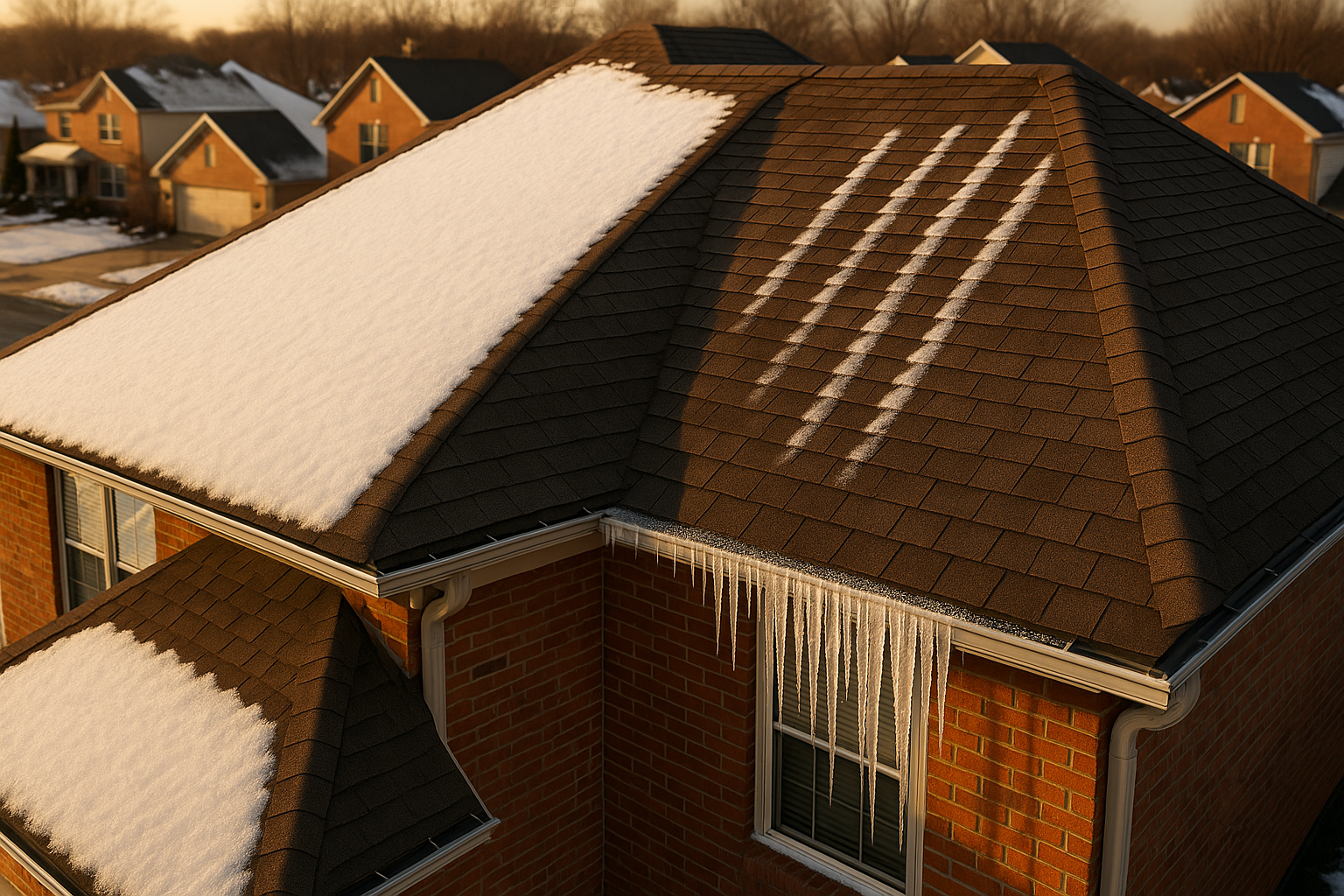
Fishers isn't Phoenix. We don't get monsoons, but we get a little bit of everything, and the freeze-thaw cycle is a shingle's worst enemy. Water seeps into tiny cracks, freezes overnight, expands, and pries stuff apart. Spring hail? Even a short burst can bruise shingles and knock off granules, exposing the asphalt to UV. Summer roasts the south- and west-facing planes—I've measured 140°F on a black roof in Plainfield in July. And those gusty front-line winds we get? They can lift shingles, crack them, or peel back flashing. Ice dams along eaves are also common in neighborhoods like Hamilton Proper where tree cover keeps roofs cold and snow melts unevenly. All of this adds up, and it's why a "30-year shingle" rarely sees 30 here.
Installation and Ventilation: The Hidden Lifespan Killers
Here's something a lot of homeowners don't realize: you can buy the best shingle in the world, but if your attic isn't breathing, it'll cook. Proper ventilation means balanced intake (soffit vents) and exhaust (ridge vent or box vents). Without it, heat and moisture build up in summer, warping decking and aging shingles from underneath. In winter, warm attic air can cause snow to melt and refreeze at the eaves, forming ice dams. Ventilation isn't a nice-to-have; it's the difference between a 15-year roof and a 25-year one. If you're near Geist and your attic feels like a sauna in August, that's your shingles sweating.
Simple Maintenance That Extends Roof Life
A roof isn't maintenance-free. You don't need a PhD, but a few quick habits help. Clean your gutters twice a year—clogged ones back up water and rot fascia. Trim branches that rub or shade too deeply because moss and algae love dark, damp shingles. A yearly inspection (you can walk around with binoculars or have a roofer do it) catches lifted shingles, cracked pipe boots, and failing sealant before they become leaks. If you catch a small problem early, you're not suddenly looking at a whole replacement. For more on what to watch for, our signs you need a new roof guide walks through it.
“But My Roof Looks Fine”: When to Replace Before It’s Too Late
I get it. Nobody wants to spend money on something that still looks decent. But here's the reality: widespread granule loss (your gutters filling with black sand), curling shingle edges, cracked or missing shingles, and soft spots on the deck are all signs the system is failing. Leaks are the last symptom, not the first. Also, if your roof is old enough and you get hail damage, insurance may only pay to patch, not replace—most policies won't cover a roof that's already near the end of its life due to wear and tear. We've written more about handling hail damage claims if that's your situation. Another thing: layering new shingles over old ones might save a few bucks up front, but it traps heat, hides deck rot, and shortens the new shingles' life. A full tear-off lets you fix ventilation and flashing, and honestly, it looks cleaner.
Local Considerations for Fishers Homeowners
If you're in a neighborhood with an HOA (pretty much everywhere here), they might have rules about shingle colors, metal roof profiles, or even tear-off timing. It's not a big deal, but you'll want to check before picking materials. Permits? Hamilton County and the City of Fishers typically require them, and a good contractor handles that. Timing-wise, you can replace a roof practically any season here, but spring and fall are ideal. Winter installs work if the crew knows how to handle cold-weather adhesives and keeps the site safe. We've done many December jobs in Brownsburg and Avon without issue—it just takes the right prep. If you're curious about timing, read our post on the best time of year to replace a roof in Indiana.
Bottom Line: A Roof That Fits Your Timeline and Budget
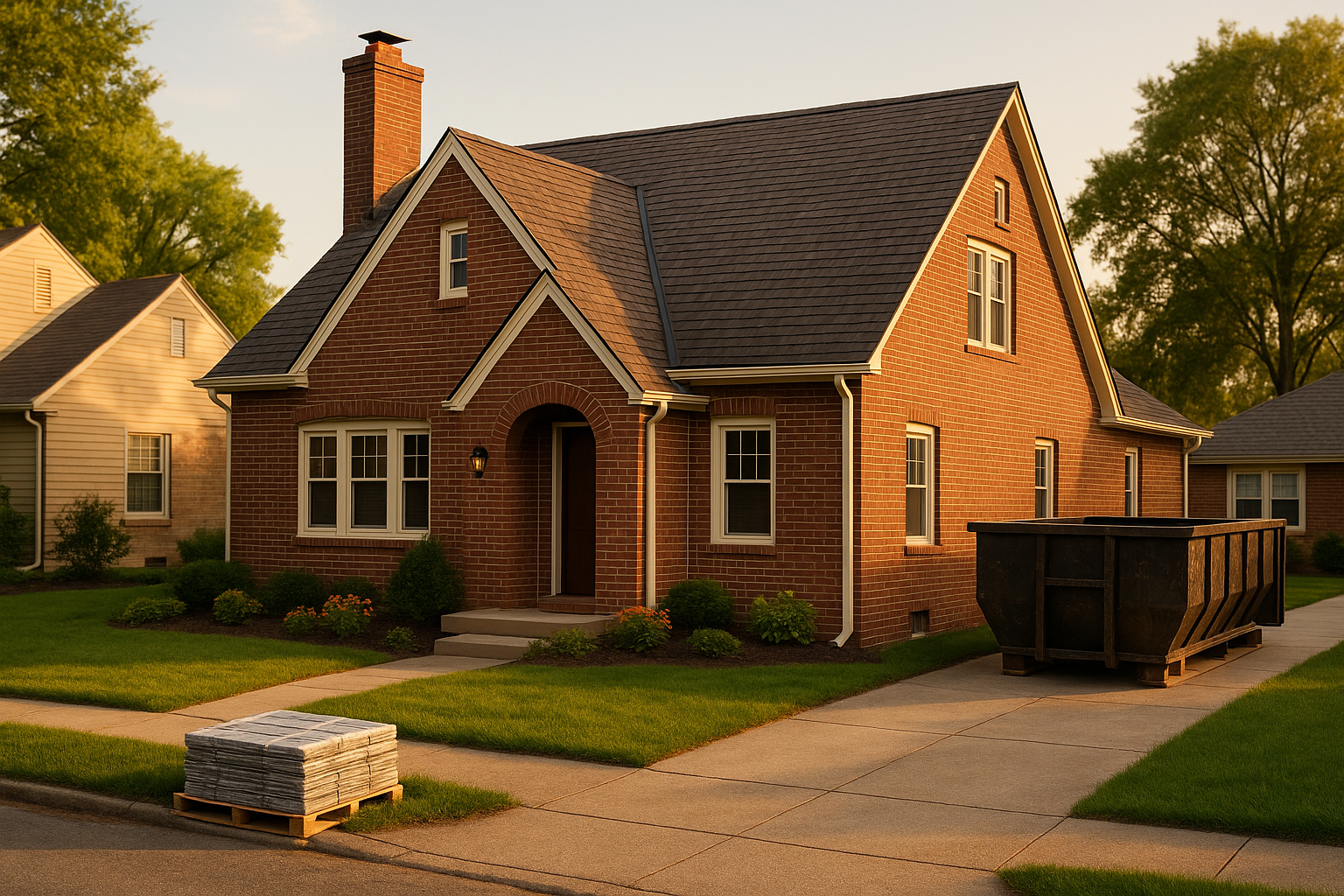
So, how long does a roof last? For most Fishers homes with architectural shingles, plan on 20 to 25 years. With metal, you're looking at 40+. But no matter what, the real answer is shaped by installation quality, ventilation, and how well you maintain it. If you're not sure where your roof stands—or just want a straightforward assessment that doesn't feel like a sales pitch—we'll come out, walk the property with you, and put together a clear plan. We cover everything from material options to what the job day looks like, including protecting your landscaping. No pressure. Just a honest conversation and a written scope.
Schedule your no-obligation roof assessment →
Ready for a free roof assessment?
We climb the roof, photograph the damage, and give you an honest read — no pressure, no upsell.