If you love the character of wood shake but want less upkeep, you’re likely weighing cedar vs composite shingles (often called synthetic cedar shake). This guide from RoofPros explains how both options perform in Central Indiana weather, what they really cost in the Indianapolis market, and how to choose a roof that fits your home’s style, HOA, and maintenance appetite.
Cedar and composite at a glance
What they are
- Cedar shingles/shakes: Natural Western Red Cedar or similar species. “Shingles” are smoother and sawn; “shakes” are thicker with split or heavy-sawn faces for more texture.
- Composite (synthetic) shingles/shakes: Engineered polymer or composite blends molded from real-wood patterns. Designed to mimic cedar grain and shadow lines with enhanced durability and fire/impact options.
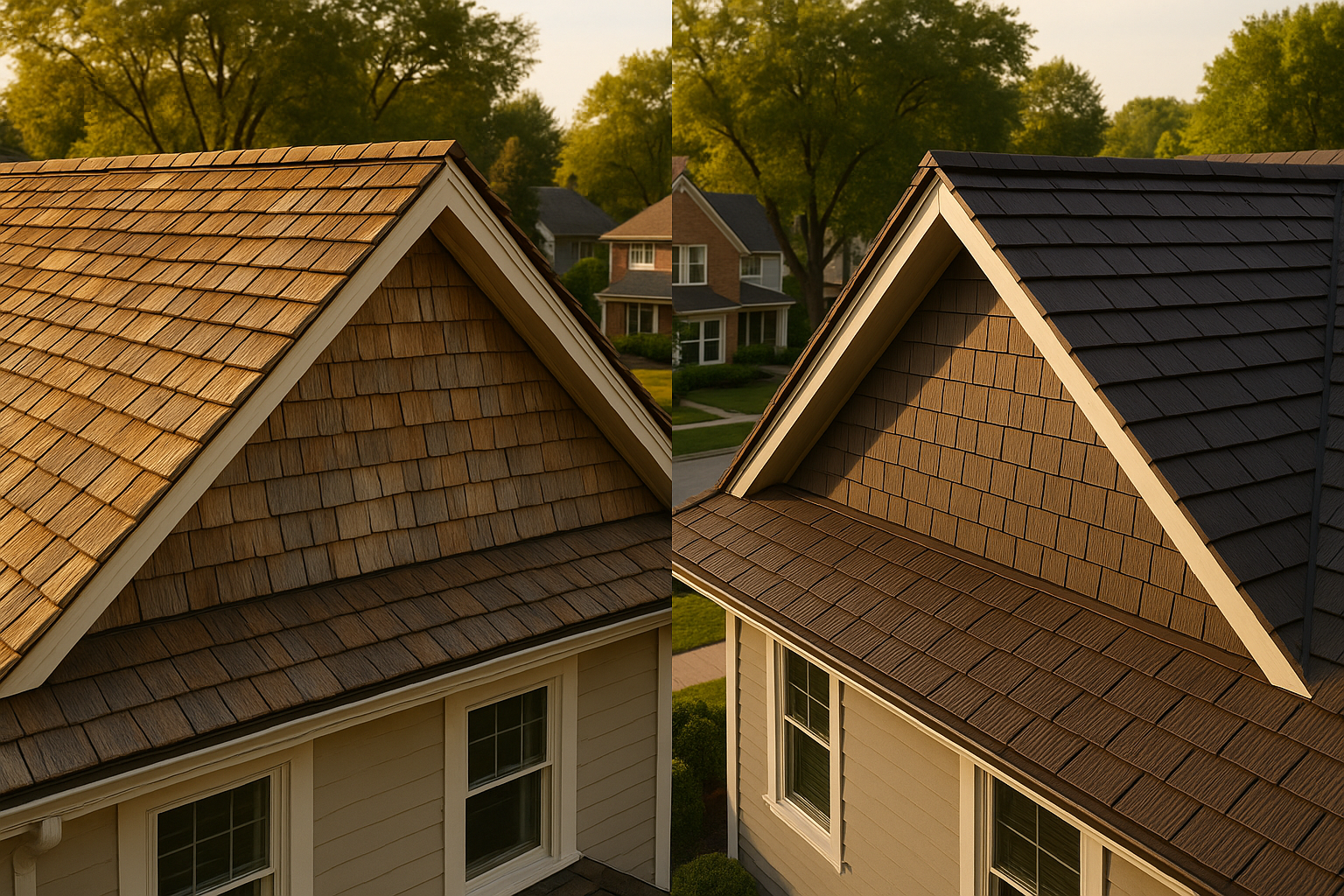
How they look
- Cedar: Warm, organic variation. Fresh installs start honey-toned and weather to silver-gray. Best for Craftsman, Tudor, cottage, and historic-influenced homes.
- Composite: High-end lines show deep grain and consistent shadowing; many pass curbside as cedar while reducing maintenance. Colorways range from natural cedar hues to deeper browns and grays.
Key differences
- Material behavior: Wood breathes and moves with humidity; composites resist moisture uptake.
- Ratings: Many composites offer Class A fire-rated assemblies and Class 4 impact resistance; cedar typically needs special treatments and assemblies to achieve higher ratings.
- Maintenance: Cedar needs periodic cleaning/treatments in our humid summers; composites need basic inspection and occasional washing only.
Performance in Central Indiana conditions
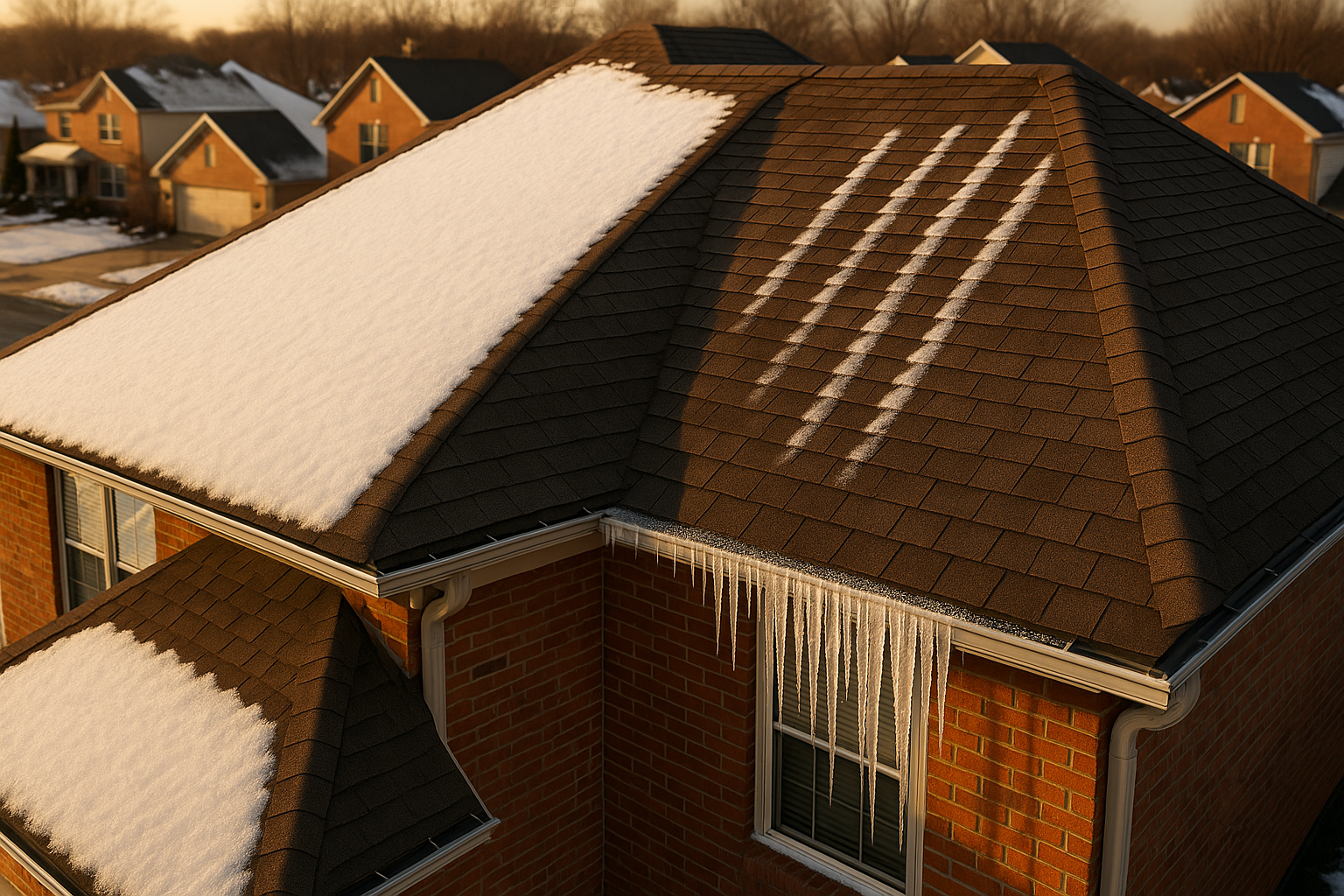
Indianapolis roofing must handle spring hail, gusty thunderstorms, high summer humidity, high UV, and frequent freeze–thaw cycles.
Hail, wind, and storms
- Composite: Many premium products are Class 4 impact rated (a common target for hail resistant roofing in Indianapolis) and carry wind ratings in the 110–190 mph range when installed per spec. This can help with insurance credits—confirm with your carrier.
- Cedar: Dense, high-grade shakes can perform well, but edges can bruise or split under significant hail. Wind resistance depends heavily on fasteners and exposure. Expect more spot repairs after severe events.
Freeze–thaw and moisture
- Composite: Excellent freeze–thaw roofing performance because materials don’t absorb water, reducing risk of splitting or cupping.
- Cedar: Naturally moisture resistant but still organic. Without proper ventilation and interlayment, freeze–thaw and trapped moisture can shorten life. Shady lots (Meridian-Kessler, Broad Ripple, parts of Carmel/Fishers) can see more algae/moss unless maintained.
UV and algae
- Composite: UV-stable formulations and color-through blends help resist fading; many lines include algae resistant shingles technology.
- Cedar: UV drives weathering. Algae and moss can grow faster in shade and humidity; periodic cleaning and, in some cases, preservative treatments help.
Fire resistance and code/insurance
- Composite: Many systems achieve Class A fire rated shingles or Class A when paired with approved underlayments. Insurers in Central Indiana often prefer Class A; some offer discounts.
- Cedar: Untreated cedar is not Class A. Fire-retardant treated cedar and specific assembly layers can improve the rating, but insurance may still price cedar differently. Always confirm requirements before you commit.
Lifespan and maintenance in the Indy climate
- Composite (synthetic cedar shake): Typical service life in our market is 35–50 years when properly installed and ventilated. Routine roof inspections and occasional wash-downs are usually sufficient.
- Cedar shingles/shakes: In the Midwest, realistic lifespan is 18–30 years depending on grade, exposure, ventilation, and maintenance. South- and west-facing slopes weather faster; shaded slopes are prone to algae/moss.
Maintenance snapshot - Composite: Annual/biannual inspection; gentle cleaning as needed. Minimal ongoing cost. - Cedar: Inspection every year; cleaning and moss/algae treatment as needed; selective repairs. Budget for periodic care to preserve thickness and edge integrity.
Cost and total cost of ownership in Indianapolis
Installed cost ranges vary by roof complexity, access, steepness, and brand. Typical ranges we see locally: - Cedar shingles/shakes: About $800–$1,400 per square (100 sq. ft.) installed, with premium grades/historic detailing higher. - Composite (synthetic): About $1,000–$1,700 per square installed for premium composite roofing Indianapolis brands.
Ongoing ownership - Cedar: Plan for periodic professional cleaning/treatment every few years. For a typical Indy home, annualized maintenance can average $0.20–$0.50 per sq. ft. per year over time. - Composite: Minimal routine costs beyond inspections and small sealant/flashings upkeep during a roof’s life.
Bottom line: Composite often costs more up front but typically yields longer life, better impact/fire ratings, and lower maintenance—reducing total cost of ownership over 25–40 years. Cedar can be cost-competitive at install time and delivers unmatched natural character if you’re comfortable with maintenance.
Structure, ventilation, and underlayments
- Weight: Cedar is lightweight (roughly 2–4 lbs/sq. ft.). Many composites are in a similar or slightly higher range. Most Indy homes that can carry asphalt can carry either option; complex structures should be evaluated.
- Ventilation: Balanced intake/exhaust is critical in our humid summers and cold winters. Expect continuous ridge vent plus adequate soffit intake to manage moisture and heat.
- Underlayments: Ice and water protection at eaves, valleys, and roof-to-wall transitions is a must for freeze–thaw and wind-driven rain. Cedar assemblies often include interleaved felt or a venting mat to promote drying. Composites rely on full-deck underlayments per manufacturer spec.
Curb appeal and neighborhood fit
- Cedar stands out on Craftsman bungalows, Tudors, and historic-influenced homes in Meridian-Kessler, Butler-Tarkington, and parts of Zionsville. The natural texture complements stone and brick.
- Composite is a strong fit for modern farmhouse and upscale suburban homes in Carmel/Fishers/Westfield, where HOAs value consistent appearance with enhanced performance. Top-tier products closely match the look of hand-split cedar without the patina variability.
If you’re debating cedar shake vs asphalt alternatives too, see our comparison of other premium systems in the region: Asphalt vs. Metal Roofing in Indiana.
Warranties: what’s actually covered
- Manufacturer coverage: Composites typically carry long limited material warranties (often transferable) and may include specific algae/impact clauses. Cedar is natural wood; warranties tend to be limited to grading and workmanship is crucial.
- Workmanship coverage: Your installer’s warranty matters as much as the shingle brand. Understand term length, what triggers coverage, and maintenance requirements.
For a straightforward breakdown of common terms and exclusions, bookmark our guide: Roof Warranty Guide: What’s Actually Covered.
Installation differences and timeline with RoofPros
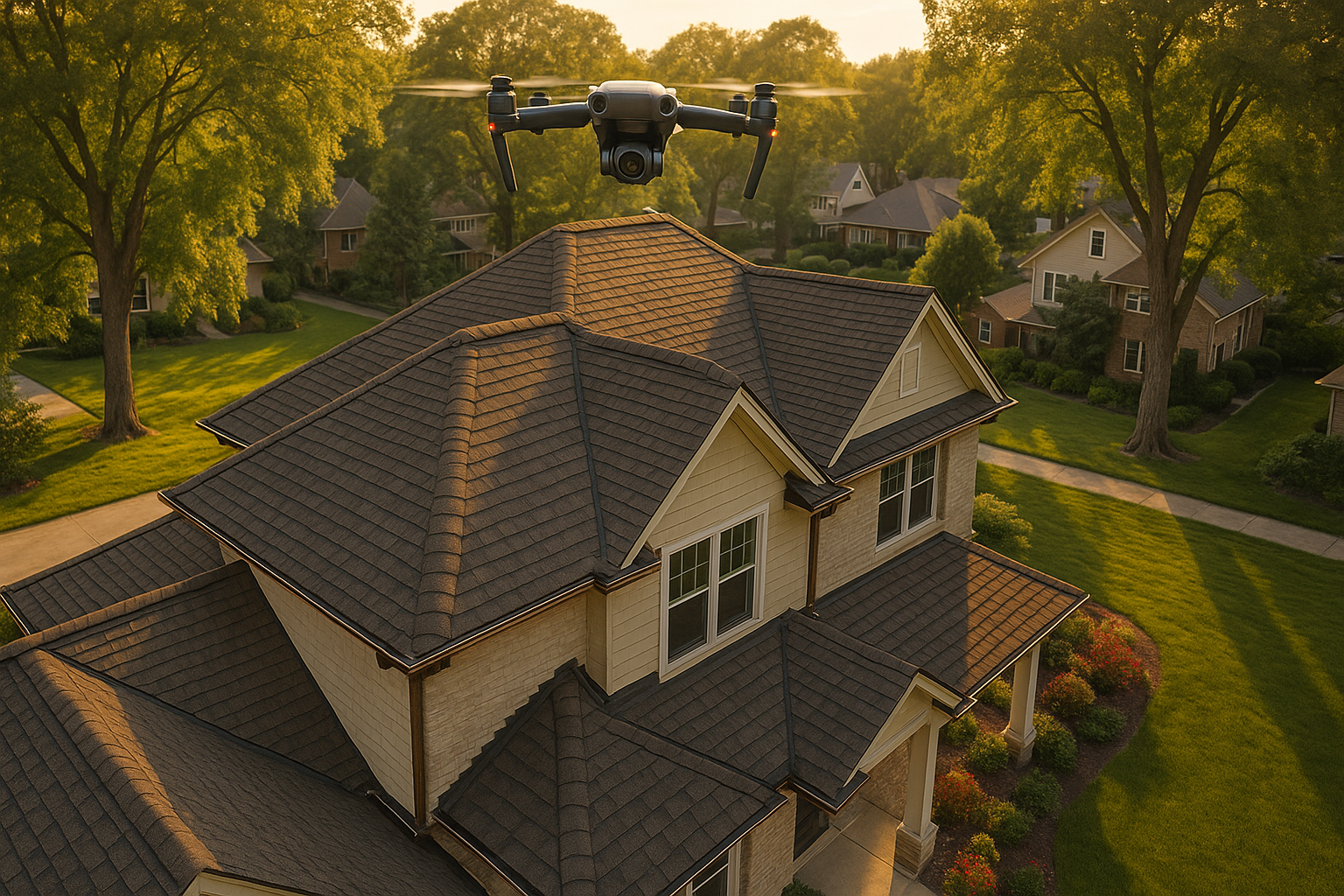
- Planning-first process: We start with an on-roof inspection, ventilation calculation, and a written scope that specifies underlayments, flashings, fasteners, ridge/hip accessories, and ventilation upgrades.
- HOA and historic approvals: We prepare photo-real samples and spec sheets for HOA roof guidelines Indianapolis communities often require. Some historic areas may require natural cedar; others approve named synthetic brands—verify early.
- Lead times: Premium cedar grades and top-tier synthetic shakes may require advance ordering. Typical project window is 2–6 weeks from approval, weather and materials permitting.
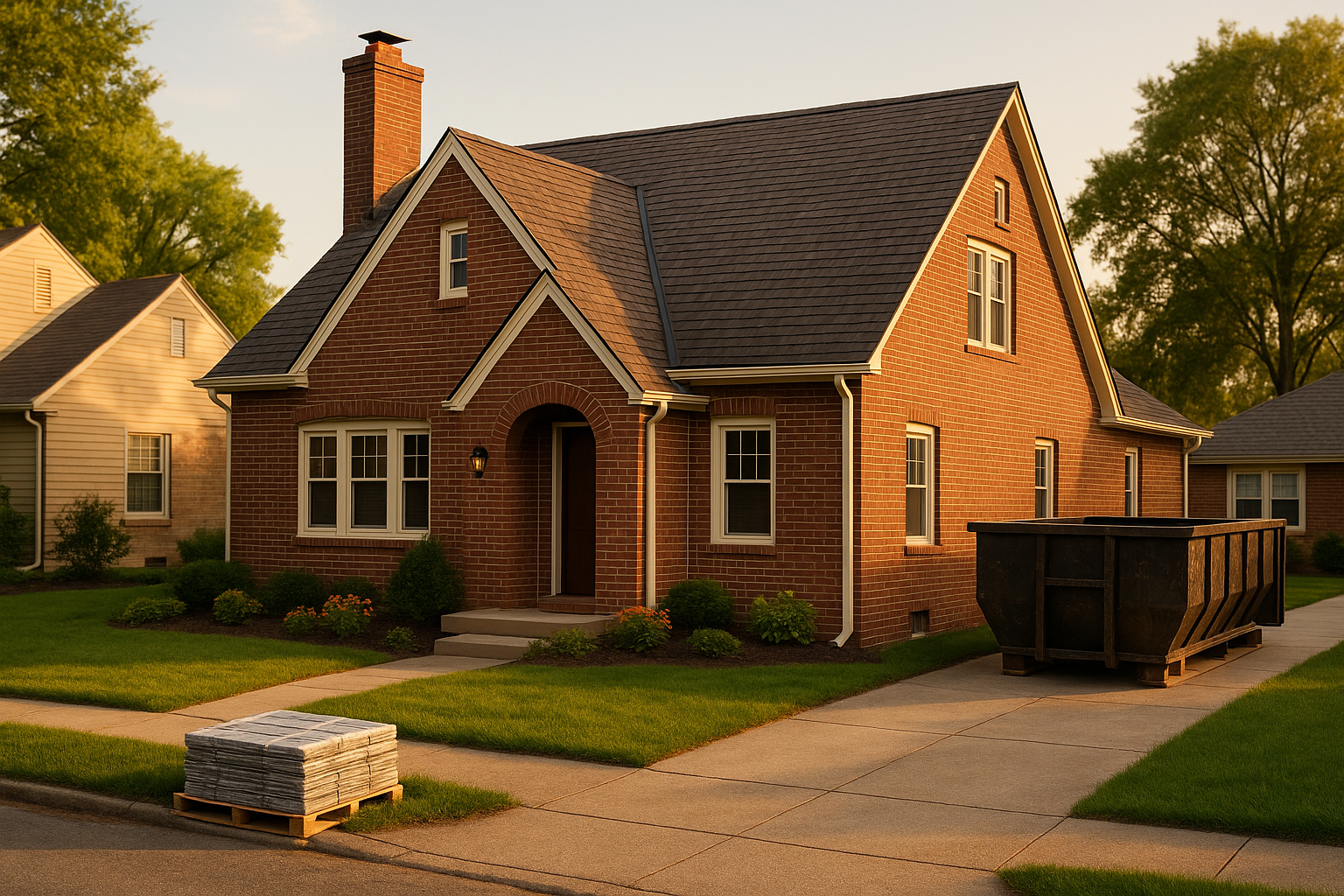
- Site logistics: We plan dumpster placement (permits as needed), protect landscaping, and maintain a clean site daily. Most roof replacement Indianapolis projects complete in 2–4 working days for average-size homes.
Quick decision guide
Choose cedar if you: - Want authentic, evolving wood character and are comfortable with periodic maintenance. - Live in a neighborhood or historic district that prefers or requires natural materials. - Accept that insurance and fire ratings may be more complex for natural wood.
Choose composite if you: - Want the cedar look with lower maintenance and strong freeze–thaw and hail performance. - Value Class A fire-rated shingles and potential insurance credits for Class 4 impact-resistant shingles Indiana policies may reward. - Prefer consistent color/texture and a longer typical service life.
Red flags to avoid
- Low-quality cedar with high sapwood content or inconsistent thickness.
- Unapproved synthetic brands not recognized by your HOA or lacking ASTM/UL listings.
- Inadequate intake or exhaust ventilation that traps heat and moisture.
- Wrong fasteners (e.g., non-stainless on cedar; non-specified fasteners on composites).
- Skipped ice/water protection at eaves and valleys—critical in our climate.
- No written scope that details flashings, ridge/hip components, and ventilation.
How RoofPros specifies and installs
As a specialist home-service brand, RoofPros builds every proposal around a clear, planning-first process: - Inspection with photos and ventilation assessment. - Side-by-side cedar vs composite specification, including wind/impact/fire ratings. - Written scope with product lines, underlayments, flashings, and accessories called out by name. - Clean communication: one point of contact, daily progress updates, and final walkthrough.
If storm history or recent damage is part of your decision, our Indianapolis Storm Damage Roofing Guide explains what to document before meeting your carrier. And when you’re comparing bids, keep this checklist handy: Choosing a Roofing Contractor in Indianapolis.
FAQs
What’s the real difference between cedar shingles/shakes and composite?
Cedar is a natural wood product with unmatched organic texture. Composite is an engineered material molded to look like cedar while improving impact, fire, and moisture resistance with less upkeep.
How long do cedar and composite roofs last here?
In Indianapolis, composite often delivers 35–50 years with proper installation and ventilation. Cedar typically offers 18–30 years, depending on grade, exposure, and maintenance.
Are composites more hail resistant in Central Indiana?
Usually yes—look for Class 4 impact-rated products. Cedar can perform well but is more vulnerable to edge damage and post-storm spot repairs.
Will cedar pass fire rating or insurance guidelines?
It can, with the right fire-retardant treatments and assembly, but many carriers prefer Class A assemblies common with composites. Always verify with your insurer and local code.
Do composites fade or look chalky?
Premium composites use UV-stable color-through blends. Over time, minor tone change can occur, but reputable lines are engineered to resist significant fading in Indiana’s sun and humidity.
What are typical installed costs in the Indy metro?
Expect roughly $800–$1,400 per square for cedar and $1,000–$1,700 per square for premium composites, varying with brand, roof complexity, and access.
Your next step
Ready to see the numbers for your home and HOA? RoofPros will inspect, photograph, and prepare a written, apples-to-apples cedar vs composite shingles proposal with costs, timelines, and warranty details. Request your planning-first consult today at RoofPros. Prefer to dig deeper first? Browse more insights on our blog.
Get a Free Deck Consultation
Ready for a free roof assessment?
We climb the roof, photograph the damage, and give you an honest read — no pressure, no upsell.