Last spring, I was talking with a homeowner in Westfield who said, “Every twelve to fifteen years I'm writing a check to a roofer and crossing my fingers that the next hailstorm misses us.” He wasn't wrong. Asphalt shingles have been the default around here for decades, but he was tired of the cycle. He wanted something that would just… last. His neighbor had gone with a charcoal standing seam metal roof a few years back, and it still looked brand new. What really got him, though, was the price. Everyone he asked told him metal roofing was triple the cost of shingles. Turns out, that's only half the story. By the time we walked the roof and put real numbers on paper, he saw a path that fit his budget, and it made long‑term sense. If you're in Carmel, Fishers, Zionsville, or anywhere in Hamilton County and you're trying to figure out what a metal roof might actually run you in 2026, I want to walk you through it the same way.
What Does a Metal Roof Actually Cost in Carmel?
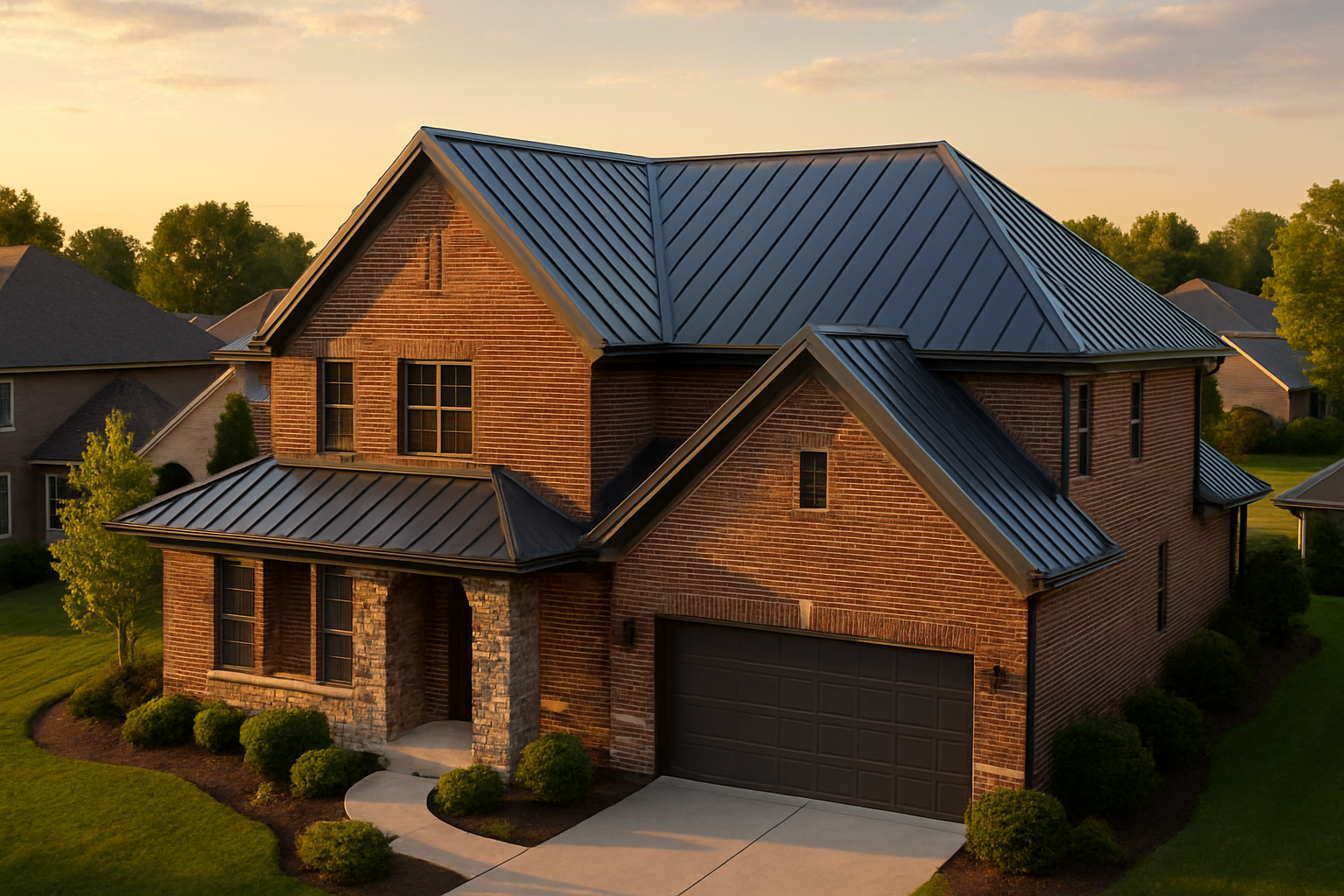
It's the first question everyone asks, and there's no single number. But you can anchor your brain with some real‑world ranges we see around here. A basic ribbed metal roof (also called through‑fastened) often lands between roughly $8 and $13 per square foot installed. A standing seam metal roof, which uses concealed fasteners and gives you that cleaner, high‑end look, typically comes in at $12 to more than $20 per square foot. If you're eyeing premium stuff like copper or zinc, the numbers jump a lot higher, but those are rarer in this market. For a typical Carmel home — say a two‑story brick or stone number with a 3,000‑square‑foot roof — that translates to a budget somewhere between $24,000 and $60,000, but I've seen jobs on both ends of that scale. The point is, a metal roof isn't one product, so lumping all metal roofing quotes together is like shopping for a car and only wondering whether they can all do 75 on the pavement. The specifics matter a ton, and that's what we'll get into.
Why the Price Varies So Much
When people hear “metal roof,” they tend to picture the same thing, but the details drive the metal roofing price per square foot in Indiana just as much as the material itself. I break it down for homeowners this way:
The Obvious Stuff
- Panel type: Ribbed (cheaper, screws through the face) vs standing seam (more expensive, hidden fasteners).
- Metal type: Galvalume steel (the affordable workhorse in our area) vs aluminum (rarely needed here except for some tricky architectural details) vs copper/zinc (beautiful but eye‑watering on price).
- Gauge/thickness: Thicker steel costs more but shrugs off hail better — an important note if you've lived through a spring like 2023's.
- Finish: PVDF (sometimes called Kynar 500™) adds a layer of fade resistance and typically runs a couple bucks more a square foot, but in Carmel with those dark matte charcoals and bronzes everyone loves, it's worth it.
The Stuff Nobody Thinks About Until the Estimate Arrives
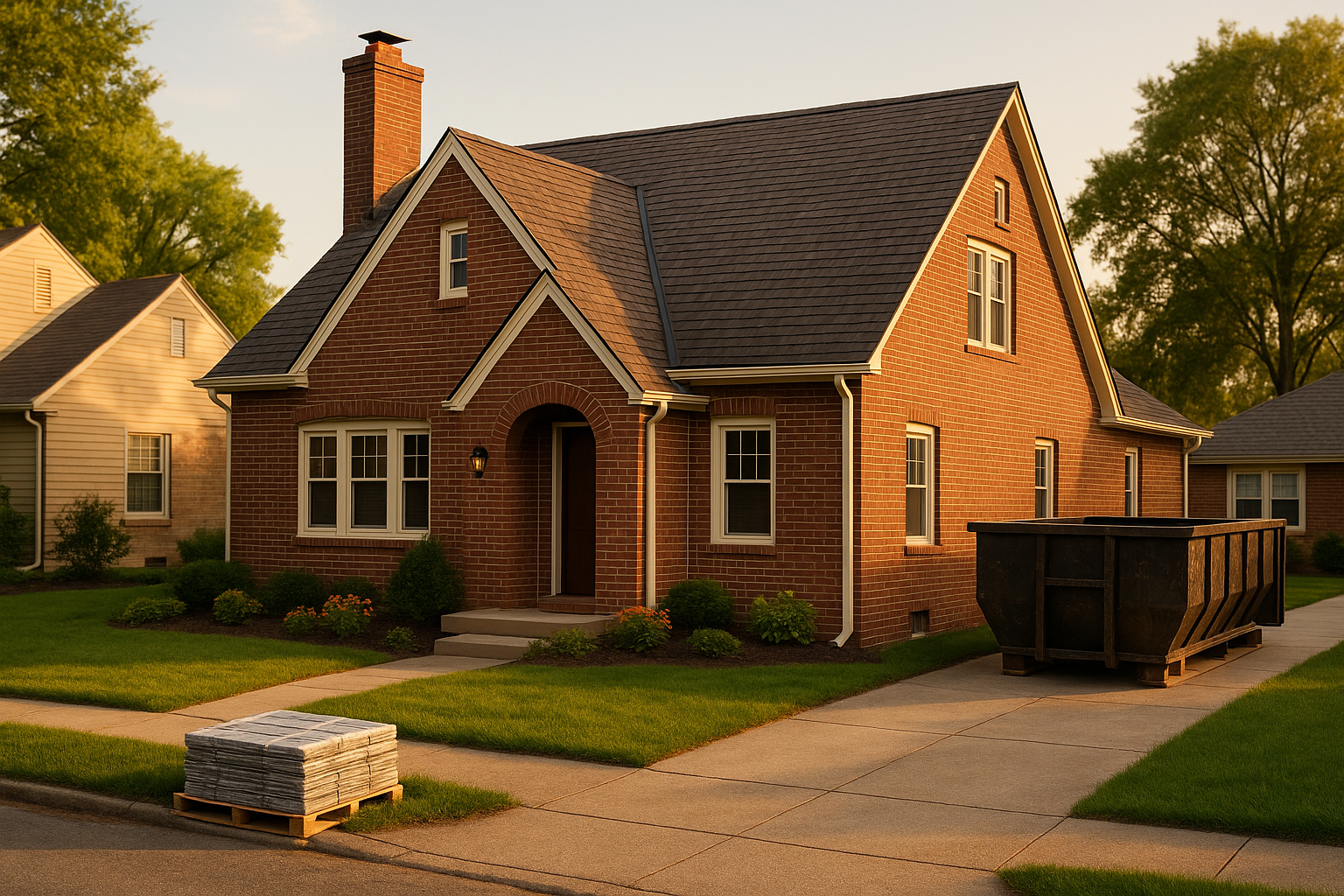
- Tear‑off vs layover: Over half the metal jobs we quote include ripping off old shingles. You can sometimes lay metal over a single layer of shingles, but taking it down to the deck lets us inspect for rot and start fresh — it also avoids trapping moisture. Tear‑off adds labor but almost always extends the life of the new roof.
- Decking repairs: Hidden water damage or soft OSB? Every roof has a few sheets. Build a contingency into your mental budget, maybe a few hundred to a couple thousand extra.
- Roof geometry: Those gorgeous steep gables and intricate valleys that make Carmel homes so charming also make a roofer's job slower. More cuts, more flashing, more time.
- Accessories: Snow guards above entrances, proper ridge vents, upgraded underlayment (we spec ice‑and‑water shield at eaves and valleys as a rule), and even chimney crickets all add to the final number.
I remember a job up in Noblesville last year: a fairly simple 3‑bedroom rambler, should've been one of the cheaper metal roofs we'd do. But the old deck had more rot than anyone expected, and the homeowners wanted snow guards across the whole back of the house because their dog run was below. Those two items alone added about $2,800. It was still a good investment, but it illustrates why a drive‑by “per‑square” guesstimate can be so off.
Steel vs. Aluminum and Finishes That Hold Up
In central Indiana, the aluminum vs steel metal roof cost question comes up, but for 95% of homes, the answer is steel. Galvalume (a zinc‑aluminum alloy coating) handles our climate perfectly well and costs less. Aluminum is usually reserved for coastal areas where salt spray would chew up steel. I've only ordered aluminum panels for a couple of historic renovations in Zionsville where the homeowners wanted to match existing copper‑colored trim and were okay with the premium. For everyone else, a good 24‑gauge steel panel with a PVDF paint system is the sweet spot. Dark charcoals and bronzes are popular in Carmel subdivisions, and the PVDF finish means you won't see that chalky fading after a decade like you might with a cheaper polyester paint. (If you're ever looking at two quotes and one seems suspiciously low, ask about the finish warranty; that's often the spot where corners get cut.)
And the whole “metal roofs fade fast” knock? That comes from the days of barn‑grade stuff. The factory‑applied finishes on residential metal aren't your grandpa's shed roof. We've been installing in this area long enough to see ten‑year‑old jobs that still look like month one. If you want to nerd out on lab testing data, we can pull that up, but honestly, just walking a neighborhood with a five‑year‑old metal roof is usually more convincing.
What Actually Matters for a Carmel House (Weather, Hail, and Ice)
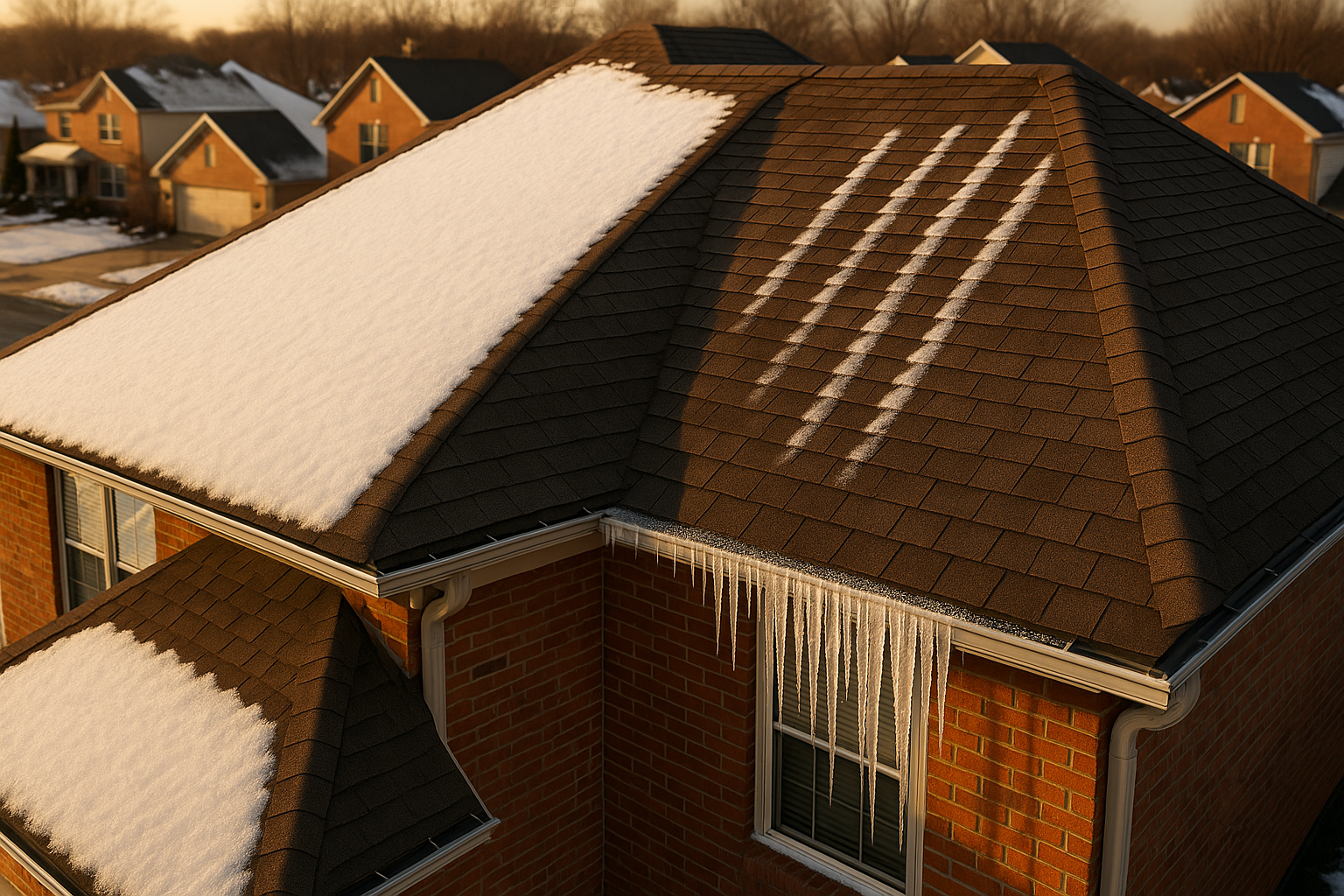
Our freeze‑thaw game is real. You get a little meltwater behind an improperly flashed dormer, and the next freeze pries things loose. That's why we run ice‑and‑water shield farther up the eaves than code minimum, and we double‑check every valley and sidewall flashing. It's cheap insurance.
Hail happens. A lot of people assume metal will dent like a beer can, but a quality heavy‑gauge panel — especially if it's an impact‑rated assembly — often handles Indiana hail better than asphalt. I've stood on roofs after a storm and seen shingles shredded while the metal panels just have a few cosmetic dimples. Yes, a big enough stone will leave a mark, but your roof is still doing its job. Some insurance companies recognize that and offer premium discounts, though you'll want to confirm with your carrier. (And if you're navigating a claim from previous hail damage, our breakdown on insurance claims can help you make sense of the process before you even talk about materials.)
Snow management is another one. We recommend snow guards over any entryway or garage door, and if you have a steep pitch that faces the street, a row over the eave prevents slides from surprising the mailman. It's a small line item — typically a few hundred dollars — but it saves a lot of headache (and potential liability).
And ventilation. A dark metal roof in July can get hot, but if the attic has balanced intake and ridge venting, the surface temperature barely matters. Proper airflow also keeps our sticky summers from turning your attic into a sauna and protects against winter ice dams. When we walk an attic, we look at that like a detective: soffit vents blocked by insulation? Bath fan venting into the attic? Fixing those things during a roof job is often cheap and pays off every month.
Long‑term Math: Why Metal Wins Over Asphalt
If you plan on staying in your home more than fifteen years, the metal roof vs shingles cost debate in Indiana flips on its head. Asphalt might run you $550–$800 a square installed and last 15–20 years with careful maintenance. A standing seam metal roof might double that upfront cost but easily last 40–70 years with almost no fuss. You're essentially buying two or three shingle roofs for the price of one metal roof, and you're skipping a couple of landfill trips in the process. Plus, you get the crisp curb appeal that doesn't slowly degrade — those granule‑shedding shingle years where every rainstorm washes a little more life off your roof simply don't happen with metal.
I've seen houses sell faster in West Carmel because the metal roof is already ticked off the buyer's mental checklist. It's not something you can bank in an appraisal, but around here, a clean, dark standing seam roof telegraphs to buyers that the previous owner didn't cut corners. If you're on the fence about timing, our post on signs you really need a new roof might help you decide whether you have one more shingle season left or if it's time to pull the trigger.
HOAs, Permits, and the Approval Dance
Carmel and its surrounding townships are full of neighborhoods with architectural review committees. Will your HOA allow a metal roof? Most will, but they want to see what it looks like. We routinely put together a packet for homeowners: spec sheets, a couple of color samples, photos of similar homes we've done in the area, and a panel profile drawing. It takes us fifteen minutes to compile, and it usually turns a “we're not sure” into an approval within a week. We've done enough of these in Hamilton County to know what the committees need to see, so you won't be reinventing the wheel.
Permitting is its own little dance, but not a difficult one. Carmel and the county want to see that the roof meets code, and they'll inspect the underlayment before you put metal on. We handle all that coordination — it's baked into our install timeline. By the time we hand you the line‑item proposal, we've already pulled the permit requirement and deadline, so you won't get a surprise stop‑work order.
What a Real Quote Looks Like (and How RoofPros Approaches It)
I'll tell you what drives me crazy: a proposal that just says “Metal Roof — $38,000” with no details. You deserve to know what you're buying. When we put a quote together, it reads like a grocery list: panel type and gauge, underlayment by brand and thickness, linear feet of eaves and valleys getting ice‑and‑water, ventilation component by component (intake, ridge vent, any powered vents if needed), snow guard count, tear‑off and dumpster, site protection, and a line for decking contingency at a per‑sheet price. We include a couple of “good/better/best” scenarios too, so you can see where stepping up in metal gauge or finish affects the number. It takes us longer to build, but we'd rather have you informed than suspicious.
If you're thinking, “Okay, but what about financing? That's a lot of cash to part with,” we get it. We work with a few lenders that offer competitive monthly payment plans tailored to home improvement. A standing seam roof financed over a stretch of years can feel a lot more manageable, and the good news is you aren't kicking the can down the road — you're locking in a roof that'll outlive your mortgage. If you want to compare, our guide on asphalt vs metal roofing lays out the total cost of ownership across both choices so you can see the numbers in black and white.
Let's Walk Your Roof Together
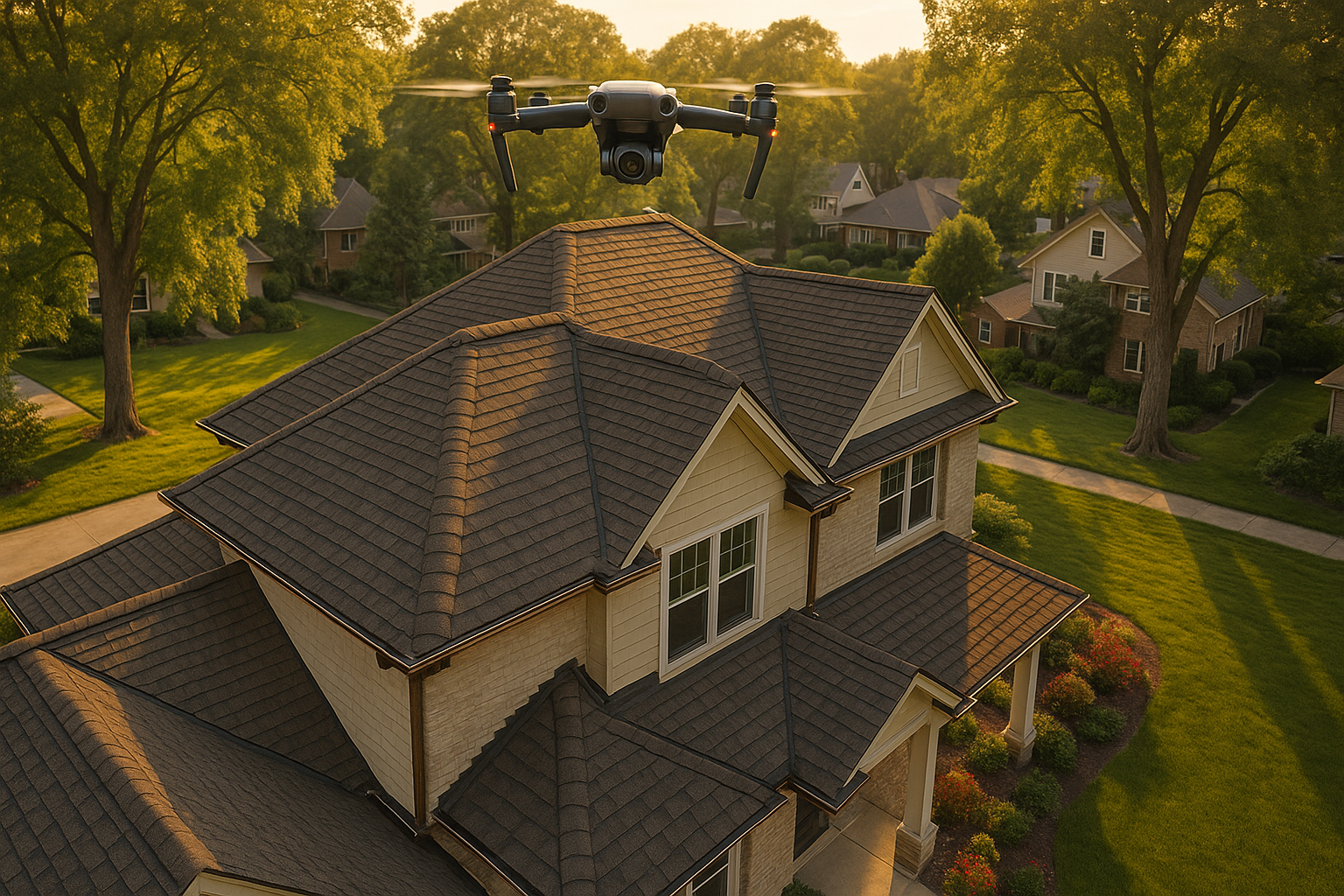
The only way to get a real number is to have someone climb up, measure, poke around, and listen to your goals. We do that without any pressure — it's a planning‑first visit. You'll know within a few days exactly what a metal roof could cost you, how long the crew would be here, and what options make the most sense. If metal ends up being more than you want to spend, we'll be straight about that too, and we can talk through premium asphalt choices that still raise the bar. But at least you'll stop guessing.
Grab a time that works — just head to our contact form. I've been on too many roofs where the real cost wasn't the roofing material, but the years of quiet worry between storms. A metal roof doesn't have to be a luxury fantasy; with the right planning and a transparent bid, it's just math that plays out in your favor.
Ready for a free roof assessment?
We climb the roof, photograph the damage, and give you an honest read — no pressure, no upsell.