If you’re exploring tile or slate roofing for a premium or historic home in Indianapolis, you’re likely balancing long-term value, authentic curb appeal, and the realities of Midwest weather. RoofPros specializes in planning-first roof projects across Central Indiana. Below, we explain how natural slate, clay tile, concrete tile, and modern synthetic slate perform here—so you can choose confidently and budget wisely.
Tile vs. Slate: Materials, Looks, and Weight
Natural slate
Natural stone quarried and split into thin shingles. Slate offers standout longevity and rich, timeless texture. It’s dense and low-absorption, which helps in freeze–thaw cycles. Weight varies by thickness but is significant; framing often requires verification before install. Color options depend on quarry and can include grays, greens, purples, and blends.
Clay tile
Fired clay creates color-stable tiles with profiles from flat to mission/barrel. Clay is generally lighter than slate but still heavy compared to asphalt. High-quality clay tiles have low water absorption and excellent UV stability. A hallmark look for Tudor and Mediterranean-inspired homes common in pockets of Indianapolis.
Concrete tile
Cement-based tiles that can mimic clay or slate profiles. They’re durable and cost-effective versus clay or stone but are typically the heaviest option and more absorbent, so they demand careful underlayment and ventilation design in the Midwest.
Synthetic slate (composite)
Polymer or rubber-based shingles shaped to resemble slate. They dramatically reduce weight and may offer favorable impact ratings. While they don’t perfectly replicate the texture variation of real slate, they can be a smart solution when structure or budget is tight.
Built for Central Indiana Weather
Indianapolis brings freeze–thaw swings, hail, strong spring winds, heavy rain, and periodic snow/ice. Choosing the right system—and the right detailing—matters as much as the material.
- Freeze–thaw performance: Natural slate and top-tier clay tile have low water absorption, minimizing crack risk as temperatures swing. Concrete tile, being more absorbent, relies on robust underlayment and ventilation to manage moisture.
- Hail and impact: Look for impact ratings and discuss quarry hardness (for slate) and specific product testing (for tile and synthetic slate). Post-storm, slate shows fractures or punctures; tile may chip at edges or corners. RoofPros inspects, documents, and prioritizes repairs for weather exposure points.
- Wind resistance: Proper fastening patterns, secure hip/ridge details, and quality flashings keep slate/tile assemblies wind-rated for Midwest gusts. Fastener choice—stainless or copper nails for slate; approved screws/clips for tile—directly affects performance.
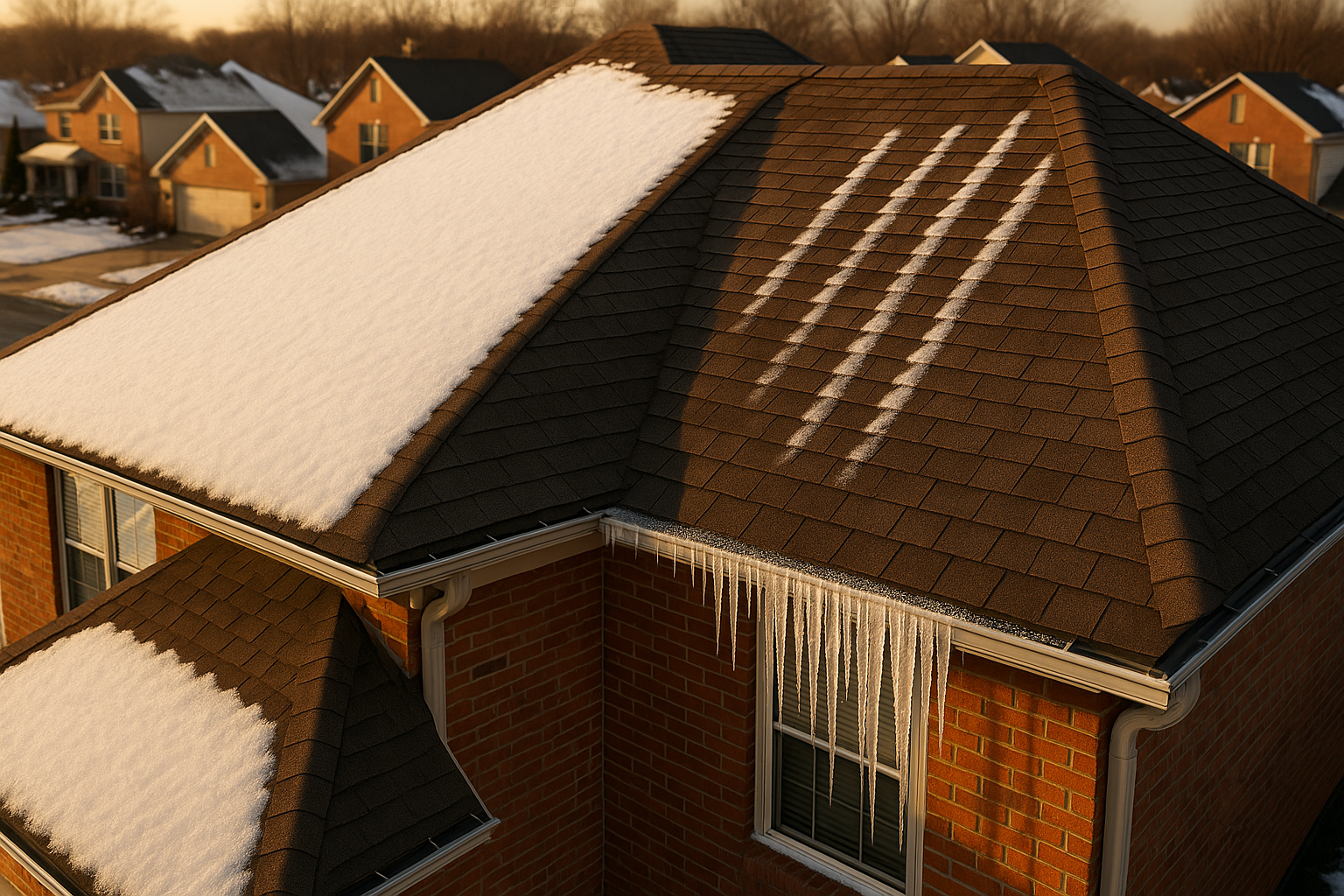
- Snow and ice: North-facing slopes and shaded eaves are prone to ice dams. We pair extended ice and water shield at eaves, valleys, and penetrations with snow guards and well-planned gutters to reduce sliding hazards and water intrusion.
Structure, Weight, and Roof Design Requirements
Heavier roofs demand upfront evaluation. This is where a planning-first process keeps your project safe and predictable.
Structural support and load calculations
- Weight check: Slate and tile loads can exceed what older framing was designed to carry. RoofPros coordinates engineering review when needed, including roof load calculations for Indiana conditions.
- Decking condition: Slate and tile need a flat, sound deck—typically plywood or board sheathing brought into plane. Soft, uneven, or gapped decking risks cracked units and fastener pull-through.
Pitch and layout
- Minimum slope: Tile and slate require adequate pitch for drainage; low-slope roofs are usually not candidates. We verify roof pitch early, per IRC-aligned guidelines and manufacturer specs.
- Valleys and penetrations: Open metal valleys (often copper or steel), properly hemmed and sized, are critical. Chimneys, skylights, and vents need compatible flashings and counterflashing—copper is common for slate.
Fasteners, flashings, and snow management
- Fasteners: Stainless or copper nails for slate; approved fasteners/clips for tile per manufacturer. Avoid mixed-metal corrosion and under-driven nails that lift courses.
- Flashings: Copper flashing at valleys and step/sidewall areas for slate is durable and repair-friendly. For tile, use compatible metals and formed accessories that manage expansion.
- Snow guards: Bars or individual guards keep snow/ice from shedding onto walks and landscaping. We place them in calculated patterns based on slope, exposure, and traffic paths.
Permits and compliance
- Marion County roofing permits are typically required for replacement and any structural changes. RoofPros scopes permitting timelines into the schedule and aligns details with the Indiana-adopted IRC for slope, underlayment, fasteners, and ventilation.
Weatherproofing Stack-Up for Cold Climates
A premium roof succeeds or fails on the layers you don’t see.
- Ice and water shield underlayment: Extend at eaves (often 2 courses past the warm wall line), valleys, rakes, chimneys, and penetrations. Cold-climate detailing here directly reduces ice dam risk.
- Breathable underlayments: Over the deck and beneath slate/tile, a breathable underlayment helps manage moisture. This is especially important with concrete tile and shaded slopes.
- Ventilation: Balanced intake/exhaust supports shingle and deck longevity, stabilizes attic temps, and helps with winter condensation. We integrate low-profile vents or ridge systems compatible with slate/tile aesthetics.
- Drip edge and counterflashing: Proper metal sequencing—deck, shield, underlayment laps, drip edge, and flashings—keeps water flowing out, not in.
Lifespan, Cost, and When Synthetic Slate Makes Sense
- Lifespan: Well-installed natural slate can outlast multiple asphalt cycles; clay tile also stands out for longevity. Concrete tile is durable but needs diligent moisture management. Many synthetic slates carry strong impact and UV credentials with lighter weight.
- Cost of ownership: Upfront costs are higher than premium asphalt. Over decades, reduced replacements and strong curb appeal can balance the ledger—especially for historic or high-value homes.
- Synthetic slate value: When structure cannot carry heavy loads or when budgets target premium look without full stone costs, synthetic slate shingles in Indiana are a practical alternative with fewer framing upgrades and quicker installation.
Maintenance, Repairs, and Storm Readiness
- Inspections: Annual or post-storm checks help catch cracked pieces, slipped units, or flashing fatigue. See our homeowner-friendly steps in the RoofPros Roof Inspection Checklist.
- Foot traffic: Avoid walking on slate/tile. Technicians should use walk pads and ladders hooked over ridges; plan access routes for chimneys, solar, and satellite work ahead of time.
- Debris management: Keep valleys and gutters clear—especially under mature trees common in Indy neighborhoods—to prevent water backing under courses and to protect exposed edges.
- Spot repairs: Individual slate or tile replacement is feasible when you have attic access and the right hooks/clips. Keep spare bundles from the original order for color match.
- Storm guidance: After hail or high winds, document promptly. Our Indianapolis Storm Damage Roofing Guide explains assessment, temporary protections, and how insurance may apply.
Historic Districts, HOAs, and Local Sourcing
Neighborhoods like Meridian-Kessler, Irvington, Butler-Tarkington, and Broad Ripple frequently feature slate-ready architecture. Many districts require design review; HOAs may specify approved profiles, colors, and ridge details. RoofPros sequences submittals, material samples, and any Marion County permits to keep decisions orderly. Note that certain slate colors and copper accessories can have lead times—early planning helps maintain your schedule.
Seasonality and Scheduling in Indiana
Spring through fall offers the most predictable weather windows. In colder months, we adjust sequencing: focus on deck prep, underlayments, and dry-in on favorable days; set fragile units when temperatures and wind allow. See our guidance on timing in Best Time of Year to Replace a Roof in Indiana.
The RoofPros Planning-First Process
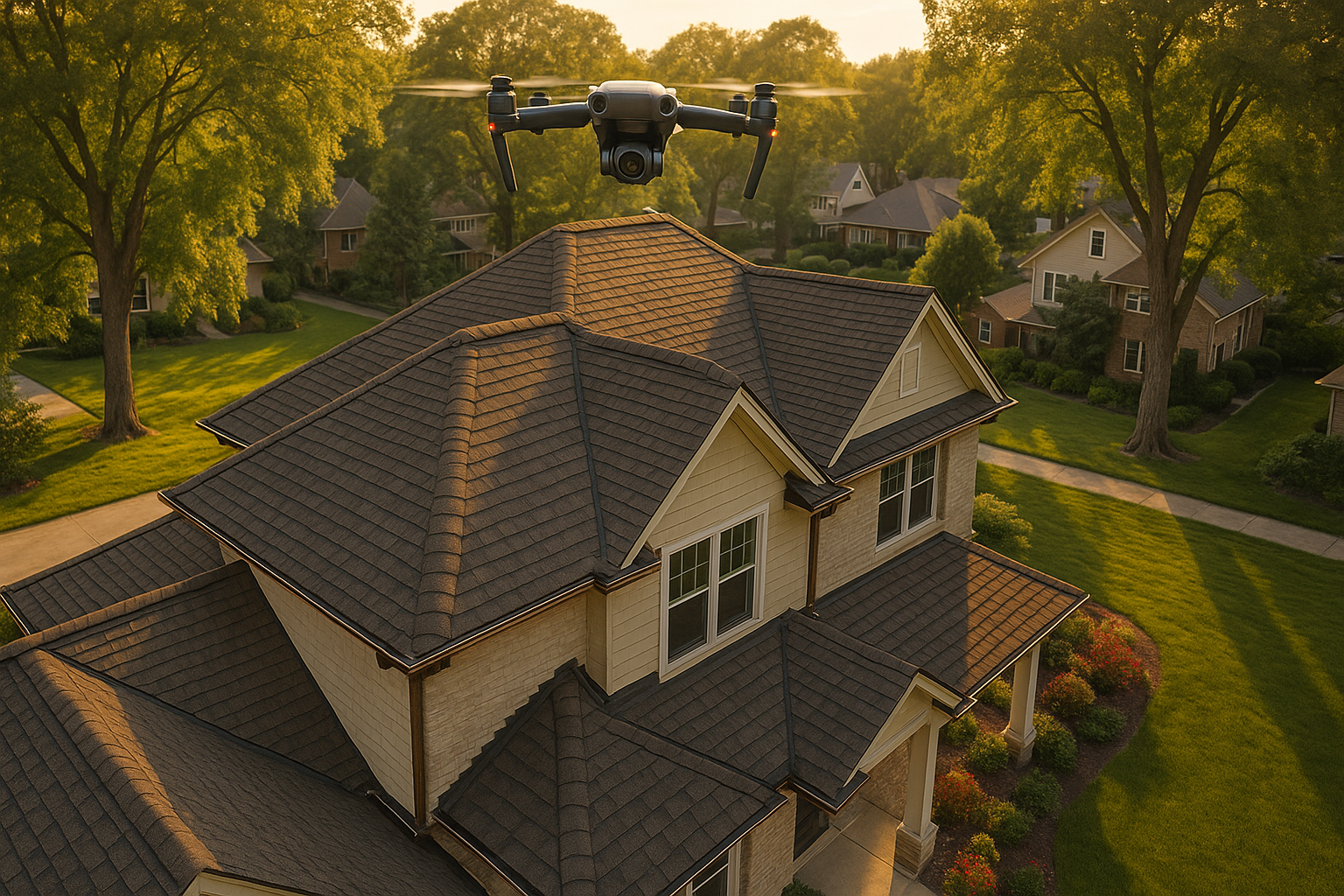
- On-site assessment: Roof geometry, pitch, deck condition, and access planning. We capture photos and drone imagery where appropriate.
- Structural review: Load checks and engineering when needed—especially for clay, concrete, or thick slate systems.
- Material options: Natural slate, clay profiles, concrete tile, and synthetic slate—shown with samples, specifications, and pros/cons for Midwest conditions.
- Clear scope and sequencing: Underlayments, copper/steel flashings, fasteners, snow guards, ventilation, and any decking or framing upgrades.
- Communication plan: Dedicated point of contact, weekly updates, and weather-aware scheduling.
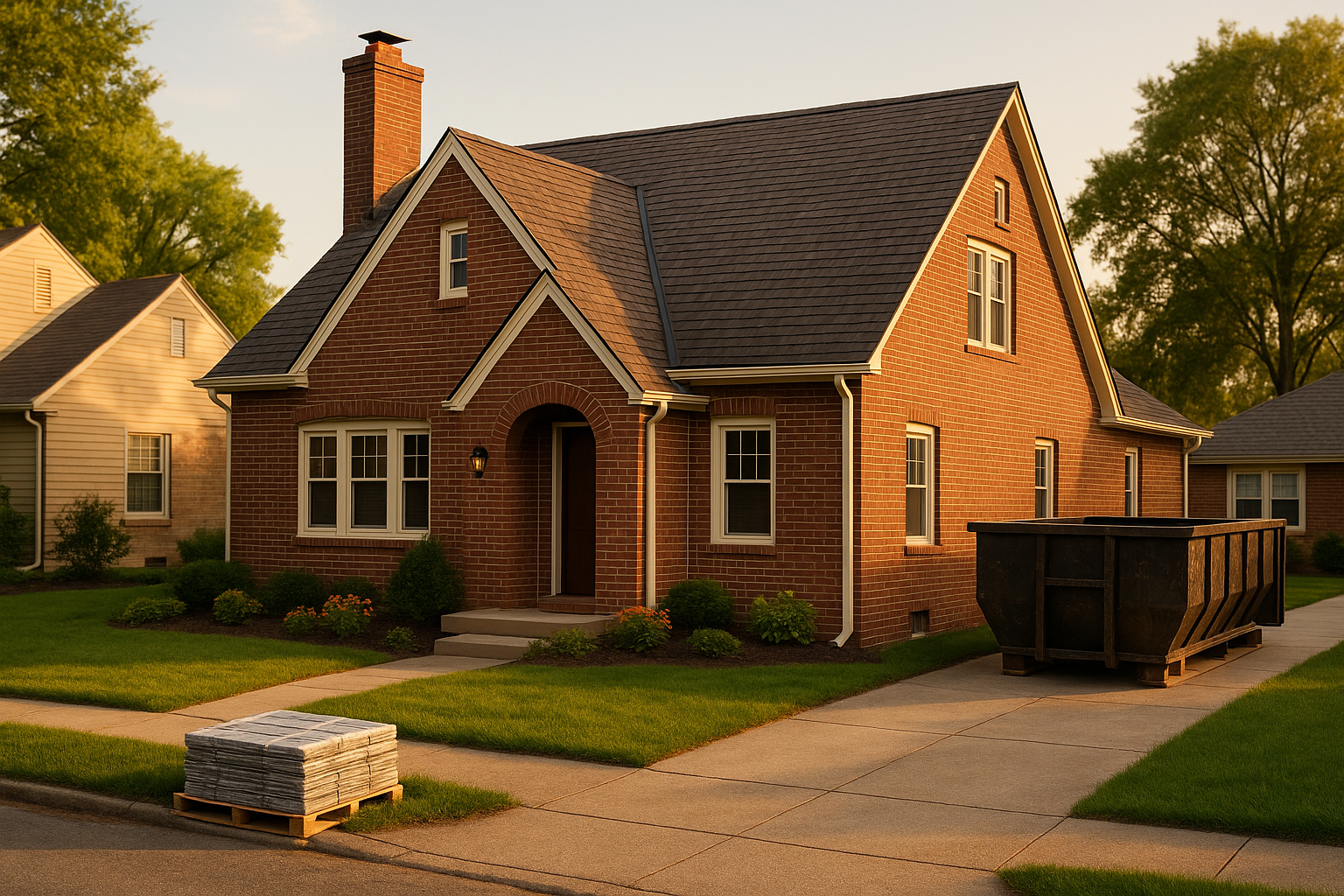
- Site care: Protection of landscaping, clean staging, and daily sweep-downs with magnetic nail pickup.
- Documentation and support: Detailed estimate and timeline, care guidelines, and straightforward discussion of manufacturer and workmanship coverage. For context on coverage terms, see our Roof Warranty Guide.
FAQs: Quick Answers
- Is tile or slate roofing a good choice for Indianapolis? Yes—when paired with low-absorption materials, robust underlayments, correct pitch, and snow/ice detailing. Slate and quality clay excel; concrete tile needs diligent moisture management.
- What’s the key difference among natural slate, clay, concrete, and synthetic? Slate = stone beauty and longevity; clay = color-stable and lighter than concrete; concrete = cost-effective but heaviest/most absorbent; synthetic = lightest, impact-forward, budget/structure friendly.
- Will my framing need reinforcement? Possibly. We verify loads and framing spans; older homes often need upgrades before heavy systems.
- What pitch is required? Tile and slate require steeper slopes than asphalt; we confirm pitch to manufacturer and Indiana IRC-aligned requirements early.
- How do they handle hail and wind? With proper fastening, flashings, and impact-rated selections, performance is strong. Post-storm inspections are essential.
- Can you install in winter? Yes, with weather-aware staging and dry-in strategy; final set of fragile units is timed for appropriate temperatures.
- Do I need snow guards? On many slate/tile roofs, yes—especially over entries, walks, and driveways.
- Permits and HOAs? Expect permits in Marion County and reviews in designated districts/HOAs. We plan lead time into schedules.
- Are synthetic slate products smart alternatives? Often, when weight or budget is constrained—they pair well with Midwest wind/hail considerations.
Next Steps: Plan with RoofPros
If you’re considering slate roofing Indianapolis options, tile roofing Indianapolis choices, or a hybrid approach, let’s start with clarity. We’ll review structure, pitch, underlayments, flashings, snow management, and material sourcing—then deliver a clear scope and timeline.
What to have ready: - Attic access for deck and ventilation review - Any historic/HOA guidelines - Storm history or prior reports, if applicable
Insurance and financing: For storm-related work, our resources on Homeowners Insurance and Roof Damage can help you prepare documentation and next steps.
Prefer to talk it through with a specialist? Use our quote form to schedule a planning-first assessment. Get a Free Deck Consultation at /quote, and we’ll outline structure, materials, and a straightforward path from dry-in to final set.
RoofPros is a local, specialist roofing contractor serving Indianapolis with premium materials, clean communication, and craftsmanship that respects both historic detail and modern performance. When the goal is tile slate roofing midwest homeowners can trust in any season, planning first makes all the difference.
Ready for a free roof assessment?
We climb the roof, photograph the damage, and give you an honest read — no pressure, no upsell.